
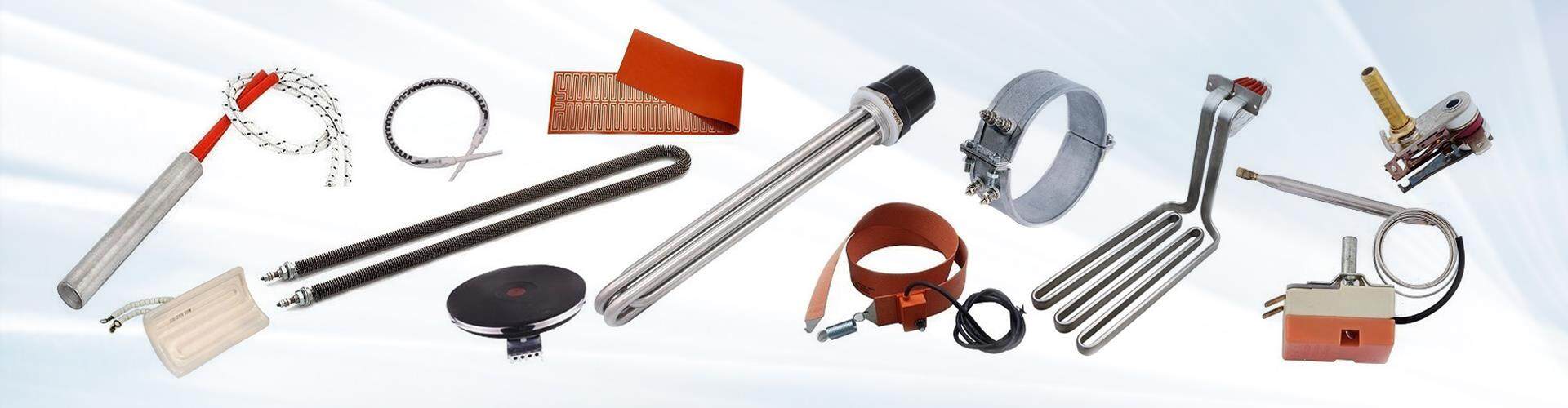
An IBC heater is a flexible heating system designed to provide controlled, uniform heat to an IBC container or tank used for storing and handling materials. When applied to CO₂-related storage and supply systems, an IBC heater can help maintain the temperature of compatible process fluids, prevent excessive cooling, and support stable material flow.
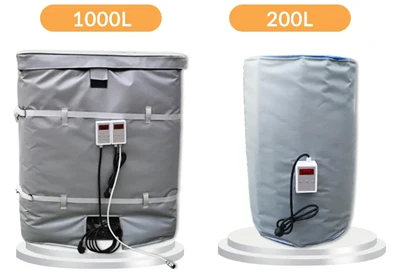
How Does an IBC Heater Work for CO₂ Gas Storage Tanks?
An IBC heater typically consists of electric heating elements embedded in a flexible heating jacket or heating pad, combined with insulation and a temperature-control system. The heater is wrapped around or positioned against the outside surface of the tank or container.
The basic heating process is:
Electrical Power → Heating Element → Heat Transfer Through Tank Wall → Temperature Stabilization
When the heater is energized, electrical resistance elements convert electrical energy into heat. The heat passes through the tank wall and warms the contents or the surrounding process medium. A thermostat, temperature sensor, or digital temperature controller monitors the temperature and switches the heater on or off to maintain the required temperature range.

Why Use IBC Heaters in CO₂-Related Applications?
CO₂ storage and handling can involve significant temperature changes, particularly during gas withdrawal, pressure reduction, vaporization, or outdoor storage. Temperature management may be required for associated liquids, process media, or equipment rather than simply heating compressed CO₂ itself.
An IBC heater can provide:
Stable temperature control – Helps maintain a consistent operating temperature.
Uniform heating – Flexible heating surfaces distribute heat over a large area.
Energy efficiency – Insulation helps reduce heat loss to the environment.
Easy installation – Wrap-around designs can be installed without major equipment modification.
Portable heating – Useful for temporary or mobile process applications.
Automatic temperature regulation – Thermostats or controllers can prevent unnecessary heating.
Typical Working Structure
A typical IBC heating system may include:
| Component | Function |
|---|---|
| Heating Element | Converts electrical energy into heat |
| Heating Jacket/Pad | Transfers heat across the tank surface |
| Insulation Layer | Reduces heat loss |
| Temperature Sensor | Detects tank or surface temperature |
| Thermostat/Controller | Regulates heater operation |
| Power Cable | Supplies electrical power |
| Safety Protection | Helps protect against overheating |
Important Consideration for CO₂ Storage
For pressurized CO₂ gas storage tanks, an IBC heater should not be treated as a general-purpose method for directly heating a pressurized CO₂ vessel. Heating a pressurized gas vessel can increase pressure and create serious safety risks.
The heater must therefore be selected according to the tank design, operating pressure, temperature limits, material compatibility, electrical classification, installation environment, and applicable safety standards. In many CO₂ systems, temperature control is more appropriately applied to ancillary fluids, vaporization equipment, valves, piping, or process containers rather than directly heating a pressurized CO₂ storage vessel.
Conclusion
IBC heaters work by using electrical resistance heating elements to deliver controlled heat through the external surface of a container. For CO₂-related systems, their main value is temperature maintenance and process stability. However, because CO₂ storage can involve high pressure, heater design and installation must be matched carefully to the specific CO₂ storage system and its safety requirements.


