
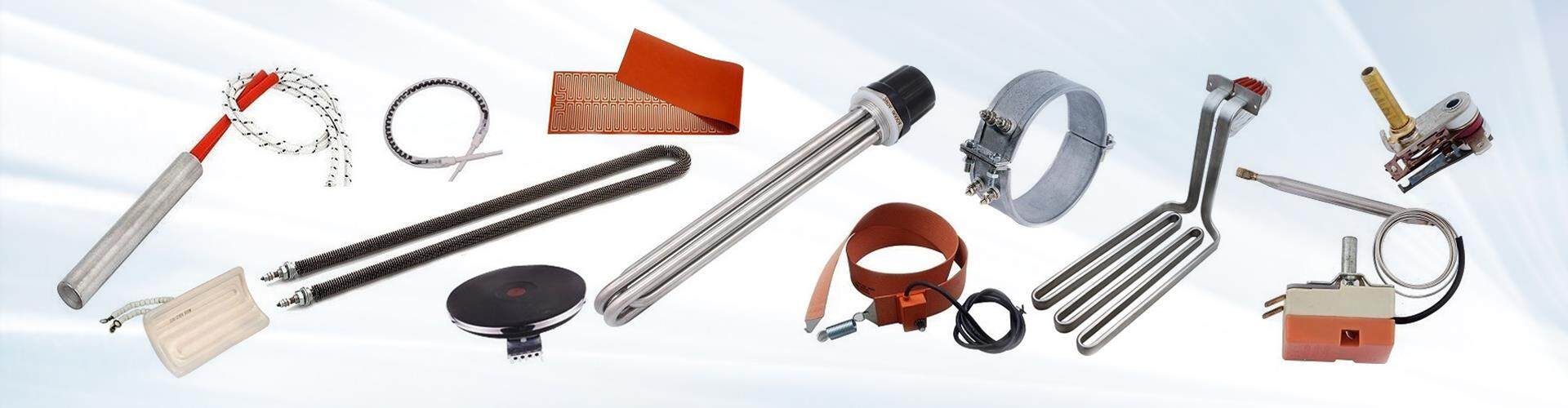
What Are Silicone Battery Heaters and PI Battery Heaters?
How Does a Silicone Battery Heater Work?
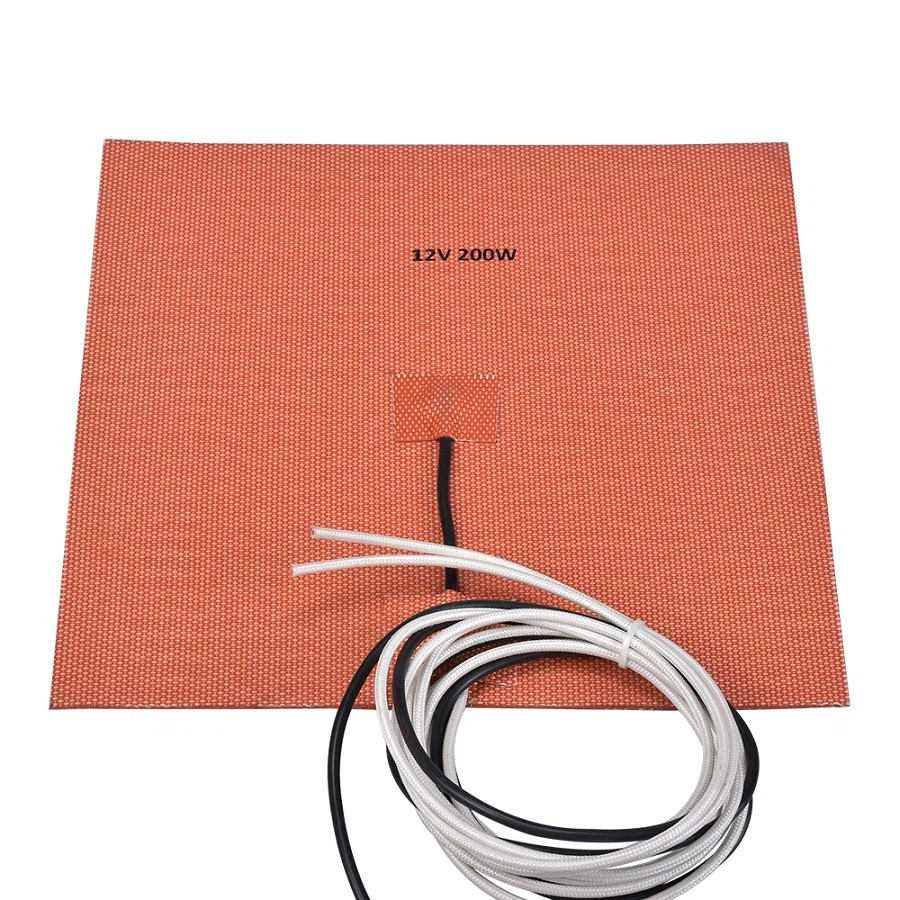
A silicone battery heater consists of a resistive heating circuit encapsulated between layers of silicone rubber. Depending on the design, the heating circuit may use etched foil or resistance wire.
The silicone rubber provides electrical insulation while forming the flexible body of the heater. Reinforcement materials can also be incorporated when additional dimensional stability is required.
For battery applications, silicone heaters can be manufactured in custom shapes to match battery modules, packs, enclosures, or other heating surfaces.

How Does a PI Battery Heater Work?
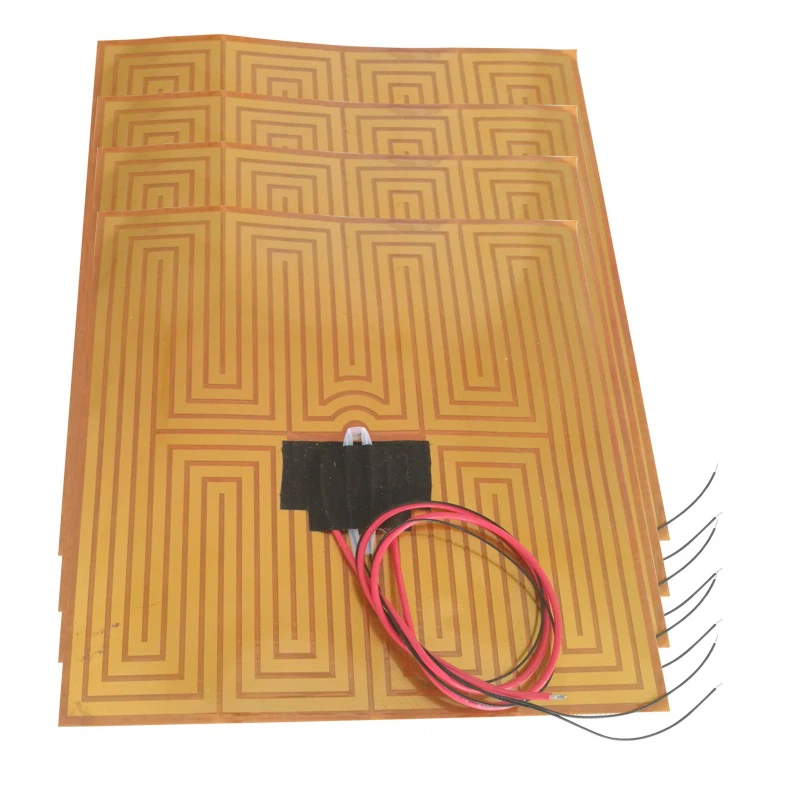
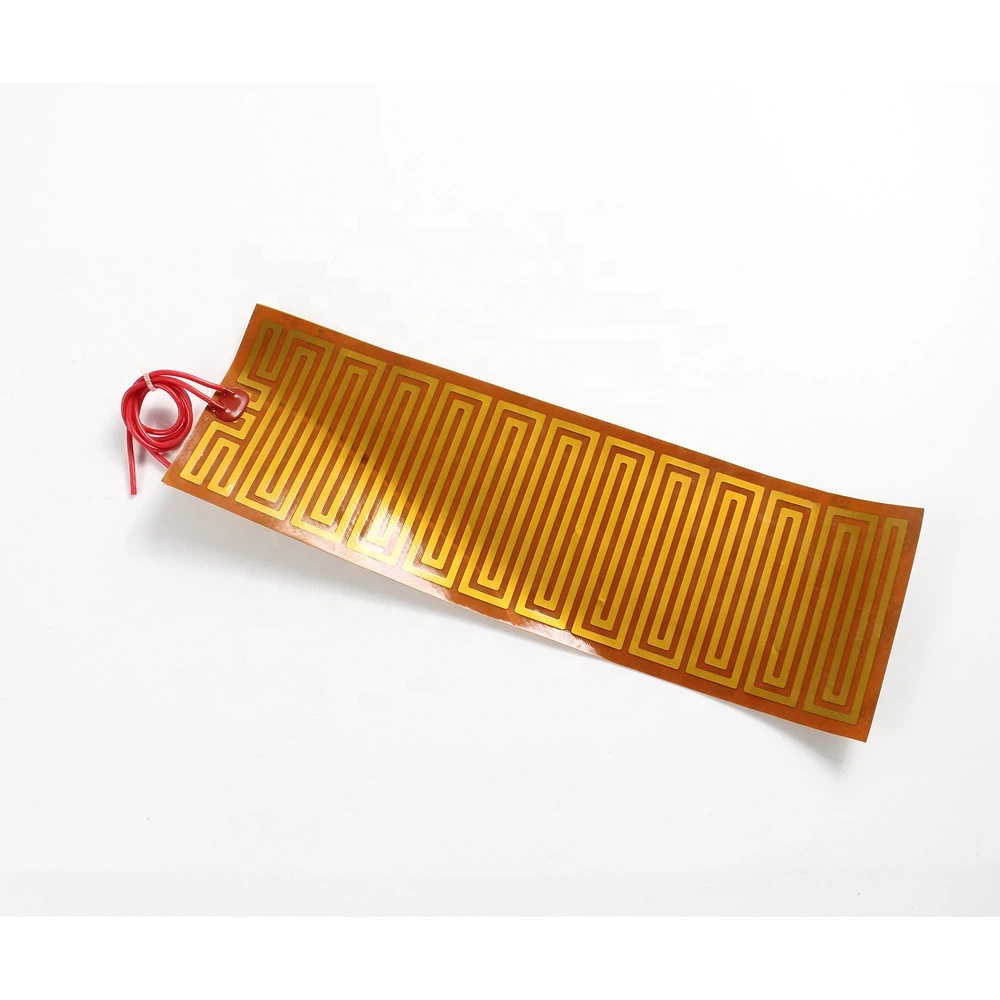
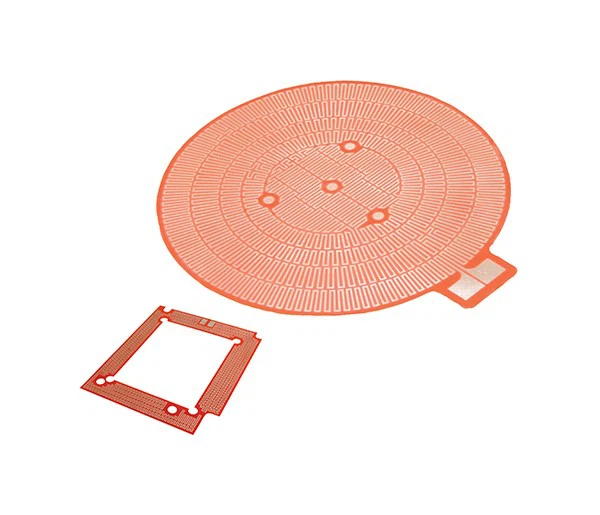
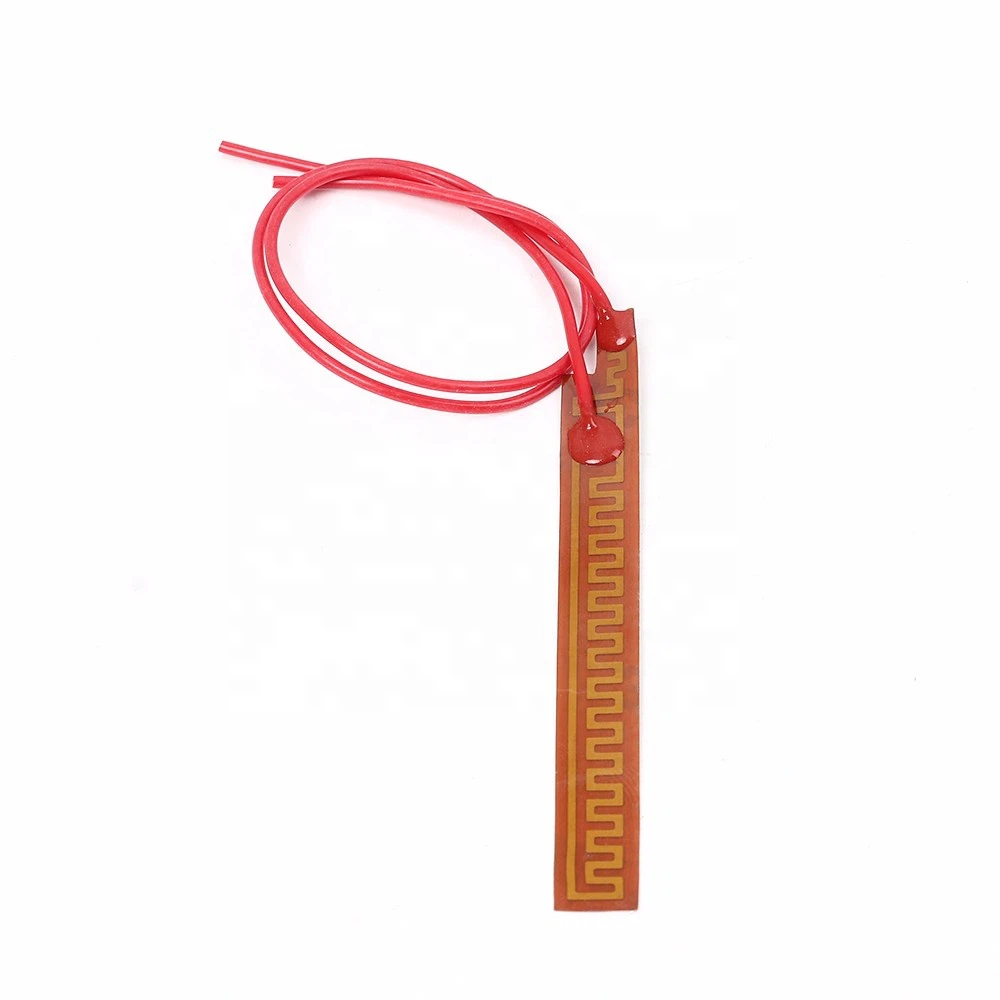
A PI battery heater uses polyimide film as the electrical insulation around the heating circuit. Etched foil is commonly used to create a customized heating pattern.
The thin film construction allows the heater to have a very low profile.
This can be useful when the battery assembly has limited installation space or when the heater needs to fit between closely positioned components.
How Do Silicone and PI Battery Heaters Differ in Thickness?
Why Does Heater Thickness Matter in Battery Design?
Battery packs often have limited internal space.
The available clearance may be only a few millimeters, particularly around battery cells, busbars, cooling components, brackets, and protective structures.
A PI heater can be manufactured with a very thin construction, which makes it suitable for applications where installation space is restricted.
A silicone heater normally has a thicker construction because the heating circuit is encapsulated in silicone rubber.
The final assembly thickness should also include the adhesive, insulation, protective layer, or mounting structure used with the heater.
Does a Thinner Heater Always Mean Better Thermal Performance?
Not necessarily.
A thinner heater can have lower thermal mass and may respond quickly when electrical power is applied. However, the actual battery heating time also depends on the battery's thermal mass, contact between the heater and battery surface, ambient temperature, insulation, and heater power density.
Therefore, heater thickness should be considered together with the complete thermal design.
Which Heater Has a Faster Thermal Response?
Why Can PI Heaters Respond Quickly?
PI heaters use a thin film construction, so there is relatively little material between the heating circuit and the battery surface.
This low thermal mass can allow the heater itself to respond quickly after power is applied.
How Does Silicone Affect Thermal Response?
Silicone heaters normally have a thicker encapsulation around the heating element.
This increases the thermal mass of the heater and can affect its response time.
However, the difference in heater response does not necessarily translate directly into the same difference in battery warm-up time.
The battery cells themselves have much greater thermal mass than the heater.
How Do Silicone and PI Heaters Perform in Moisture?
Are Silicone Heaters Suitable for Outdoor Battery Systems?
Silicone rubber is commonly used in applications where environmental protection is important.
A properly constructed silicone heater can provide a sealed heating element and can be further designed for applications involving humidity or condensation.
This makes the construction suitable for many outdoor and industrial heating applications.
Can PI Heaters Be Used in Moist Environments?
PI heaters can also be used in demanding environments, but the complete heater construction must be considered.
The film itself is only one part of the system.
The edges, lead exits, adhesive, insulation, and sealing method can all influence the final environmental protection of the heater.
How Do Operating Temperatures Compare?
What Temperature Range Can Silicone Heaters Handle?
Silicone heaters can be designed for a relatively broad operating temperature range.
The actual allowable temperature depends on the silicone grade, heating element, adhesive, lead wire, and overall construction.
What About PI Heater Temperature Stability?
Polyimide is known for its thermal stability and is widely used in applications where thin electrical insulation and temperature resistance are required.
However, the maximum temperature of a PI heater also depends on its complete construction.
Does the Highest Heater Temperature Matter for Battery Heating?
Usually, the battery's required temperature range is more important than the heater's maximum temperature.
The heater should be designed so that the battery surface remains within the temperature range specified by the battery manufacturer.
Temperature sensors, thermostats, thermal fuses, or electronic control systems may be used to manage the heating process.
How Does Power Density Affect Battery Heating?
Why Is Watt Density Important?
Two heaters can have the same total wattage but produce different heating behavior if their heating areas are different.
For example, a 100 W heater covering a small area has a different watt density from a 100 W heater covering a much larger area.
This matters when heating battery cells because excessive local heating may create temperature differences across the battery assembly.
Is a Larger Heating Area Always Necessary?
Not necessarily.
A larger heater can distribute heat across a wider surface, while a smaller heater may be appropriate for localized heating.
The correct heating area depends on the battery structure and the desired temperature distribution.
What Are the Main Differences Between Silicone and PI Battery Heaters?
The main differences can be summarized as follows:
| Feature | Silicone Battery Heater | PI Battery Heater |
|---|---|---|
| Construction | Heating circuit encapsulated in silicone rubber | Heating circuit laminated between PI films |
| Profile | Generally thicker | Very thin |
| Thermal Mass | Generally higher | Generally lower |
| Flexibility | Flexible and compressible | Thin and flexible |
| Mechanical Protection | Relatively robust encapsulation | More dependent on the complete heater assembly |
| Space Requirement | Requires more installation space | Suitable for tight installation spaces |
| Heating Pattern | Customizable | Highly customizable |
| Sensor Integration | Available | Available |
| Adhesive Mounting | Available | Commonly used |
| Outdoor Applications | Suitable with appropriate construction | Possible with appropriate sealing and protection |
| Large Heating Areas | Suitable | Suitable depending on the design |
| Compact Heating Areas | Suitable depending on available space | Particularly suitable for space-limited applications |
| Surface Conformability | Suitable for flat and moderately curved surfaces | Suitable for thin, conformal applications |
| Thermal Response | Generally moderate | Generally fast due to low thermal mass |
| Typical Design Focus | Mechanical protection, flexibility, and environmental resistance | Thin profile, low thermal mass, and precise placement |
How Should Engineers Choose Between Silicone and PI Battery Heaters?
When Should Installation Space Be the Main Consideration?
If the available clearance is extremely limited, the thin construction of a PI heater may be an important design factor.
If there is sufficient space and the heater needs a thicker, more flexible structure, silicone construction can also be considered.
When Should Mechanical Conditions Be Considered?
If the heater will experience compression, vibration, handling, or contact with surrounding components, the mechanical construction should be evaluated together with the battery assembly.
When Is Environmental Protection Important?
For outdoor or industrial battery systems, humidity, condensation, vibration, and temperature cycling should be considered during heater design.
The material alone does not determine environmental performance. The complete heater construction and installation method are equally important.
When Is Heating Uniformity the Main Concern?
If a large battery pack needs to be heated, the heating area and watt density may be more important than simply choosing between silicone and PI.
A customized heating pattern, multiple heating zones, or multiple temperature sensors may be considered depending on the battery structure.
Conclusion: What Should Be Considered Before Selecting a Battery Heater?
Silicone battery heaters and PI battery heaters use different construction methods, so they offer different characteristics in terms of thickness, thermal mass, flexibility, mechanical protection, installation, and environmental performance.
A PI heater can be useful when a thin, low-profile heating solution is required. A silicone heater can be considered when a thicker and more mechanically robust flexible heater is suitable for the application.
The selection should ultimately start with the battery rather than the heater.
Battery dimensions, available installation space, ambient temperature, target temperature, heating time, heating area, watt density, mounting method, sensor position, and environmental conditions all influence the final heater design.
For a custom battery heating project, providing a battery drawing, installation photos, required voltage and power, target temperature, heating area, and sensor requirements can help the heater manufacturer develop a suitable design for evaluation.


