Why Is Temperature Control Important in Industrial Heating Systems?
Temperature control is an essential part of industrial heating systems. A heating element provides the heat source, but without accurate temperature control, the system may suffer from overheating, unstable performance, and unnecessary energy consumption.
In many industrial applications, maintaining a stable temperature is critical to ensure product quality and equipment reliability. For example, food processing equipment requires consistent heating to achieve the desired results, while laboratory and medical equipment need precise temperature control to ensure accurate operation. In manufacturing processes, excessive temperature may damage components or reduce the service life of equipment.
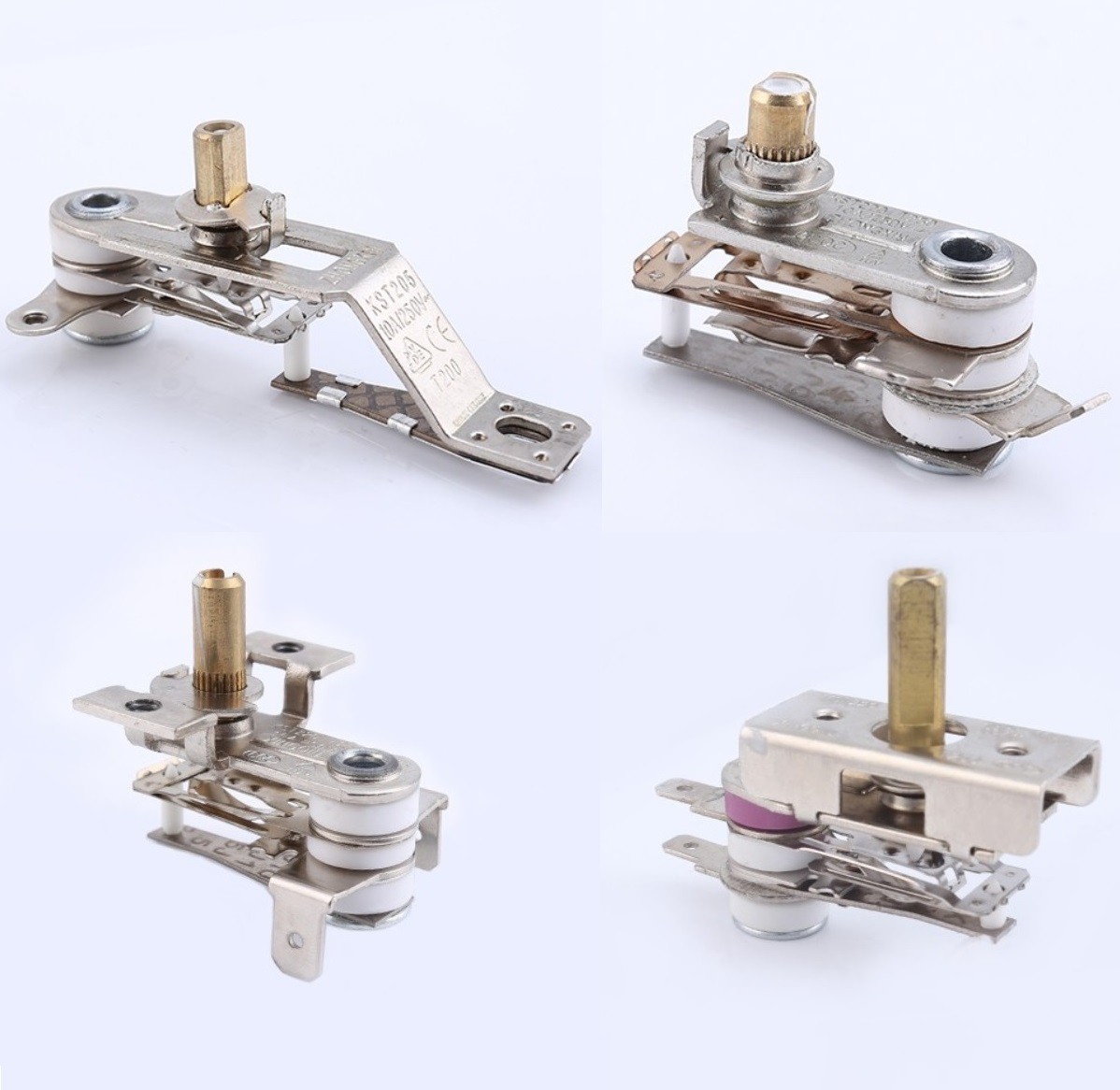
A proper temperature control system helps prevent overheating by monitoring the actual temperature and adjusting the heating output when needed. Devices such as thermostats, temperature controllers, thermocouples, and thermal switches are commonly used together with heating elements to maintain a safe and stable operating temperature.
Temperature control also improves energy efficiency. Without a control system, heaters may continue working after reaching the required temperature, resulting in wasted energy. By automatically regulating the heating process, the system can reduce power consumption and improve overall performance.
Different applications require different temperature control solutions. Factors such as operating temperature, heating speed, accuracy requirements, and installation environment should be considered when selecting the right control method.
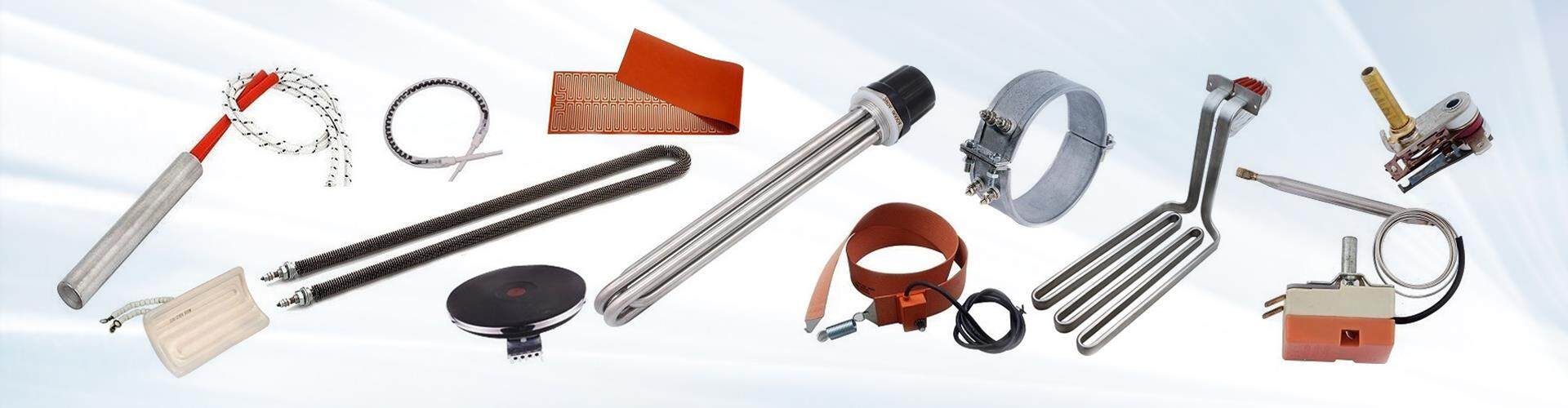
A complete industrial heating solution usually combines a suitable heating element with reliable temperature sensing and control components. This combination ensures stable heating performance, protects equipment, and helps achieve efficient and safe operation in various industrial applications.