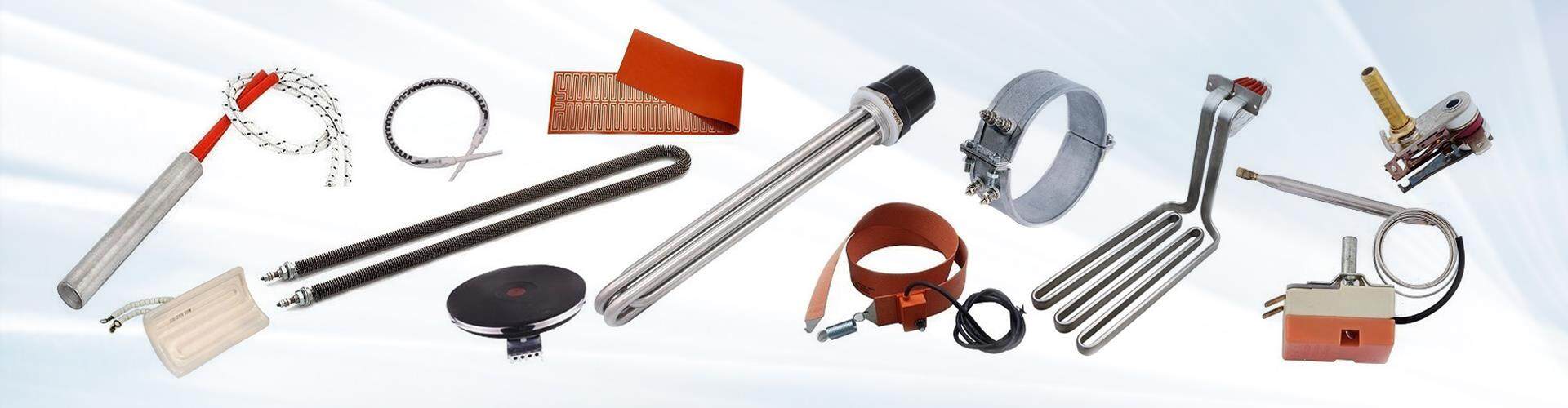
For dry oven chambers, the most common and suitable choice is electric tubular heating elements, which come in various configurations depending on the specific needs of the oven.
Here is a breakdown of the primary types and their characteristics for dry oven applications:

Electric Tubular Heating Elements
This is the most common type, where a metal tube (typically stainless steel) contains a resistance wire embedded in magnesium oxide powder for insulation and heat transfer . These elements can be shaped into various forms (U-shaped, W-shaped, straight) and are tailored for "dry-burning" (heating in air) scenarios.
Key Material Options:
Stainless Steel (e.g., 304, 310S, 316L): The most common choice. Grade 310S is recommended for high-temperature applications (up to ~900°C) due to its excellent heat resistance.
Carbon Steel: An option, but not recommended for long-term dry oven use as it is prone to rusting at high temperatures, leading to premature failure.
Incoloy (e.g., 800, 840): A high-grade nickel-iron-chromium alloy used for extreme high-temperature environments demanding superior oxidation resistance and long life.
Finned (Winged) Heating Elements
These are standard tubular elements with metal fins (strips of metal) wound around the outside. The fins significantly increase the surface area that contacts the air.
Why it's a great choice for ovens: The larger surface area allows for much more efficient heat transfer to the surrounding air. This results in faster temperature rise, more uniform heating, and higher overall thermal efficiency compared to a smooth tube element of the same power.
Typical Use: Ideal for forced-air circulation ovens and air-duct heaters.
Cartridge Heating Elements
These elements have a heating coil sealed inside a metal tube with a single lead-wire exit at one end. They are designed to be inserted into pre-drilled holes in metal blocks or platens.
Why it's a great choice for ovens: They provide a very concentrated heat source and are excellent for conduction heating-heating the oven's internal structure, which then radiates heat to the chamber. They are also used for heating molds or platens inside specialized ovens.
Key Considerations: Use with a temperature controller is crucial to prevent overheating, as their compact design leads to high surface temperatures.
Other Heating Technologies
While less common than electric resistance elements, other technologies can be used in specialized dry ovens.
Infrared (IR): Uses quartz tubes or ceramic panels to emit radiant heat. It is very fast and efficient for heating surfaces directly, but it may not provide uniform air temperature throughout the chamber.
Gas: Uses a gas burner and heat exchanger. This is a powerful option often found in very large industrial drying ovens where energy costs are a primary concern.

One-stop Heating & Controllers Factory in China
Upgrade your heating systems with Jaye Heater's premium components. For reliable heating elements and precise thermal controllers that ensure performance and safety, contact our experts today for a quote and technical support. Let's find your perfect heating solution.