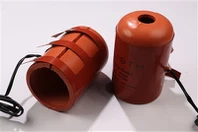
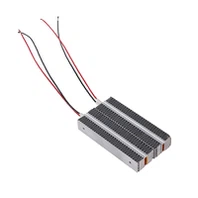
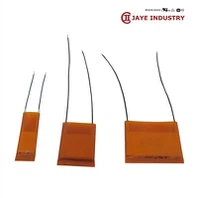
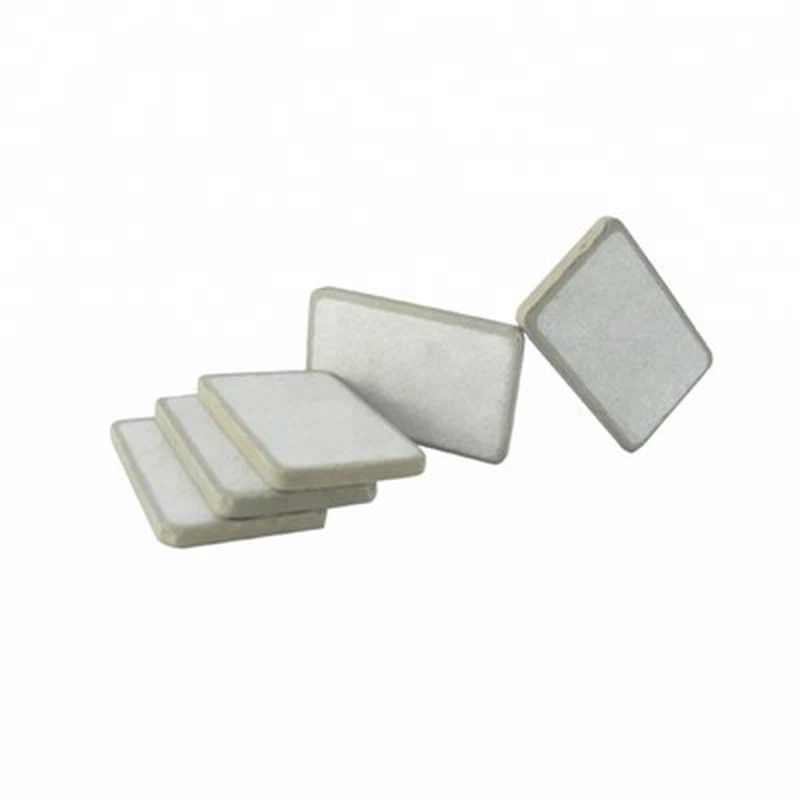
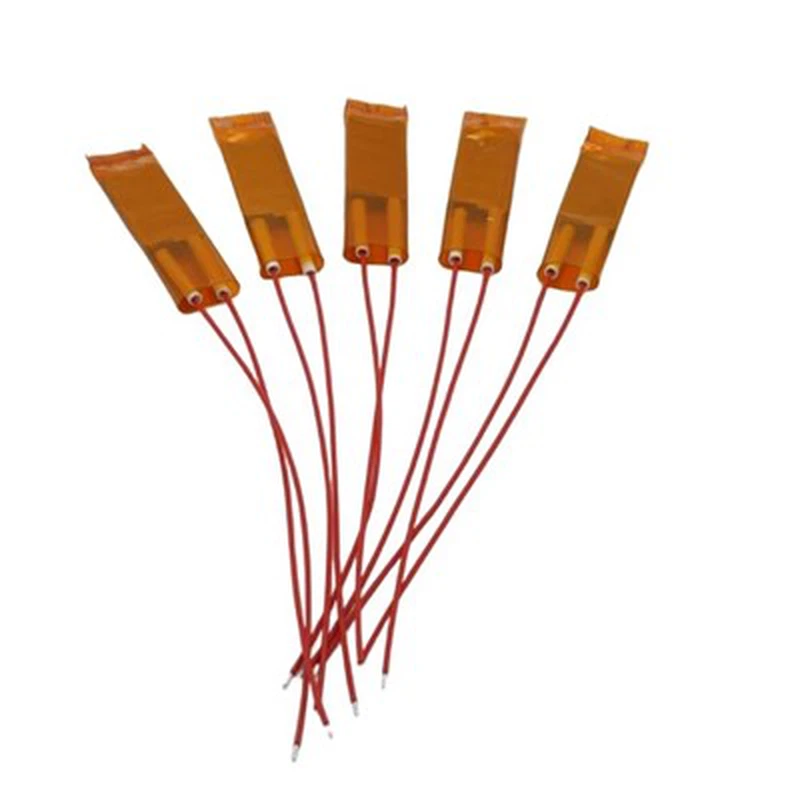
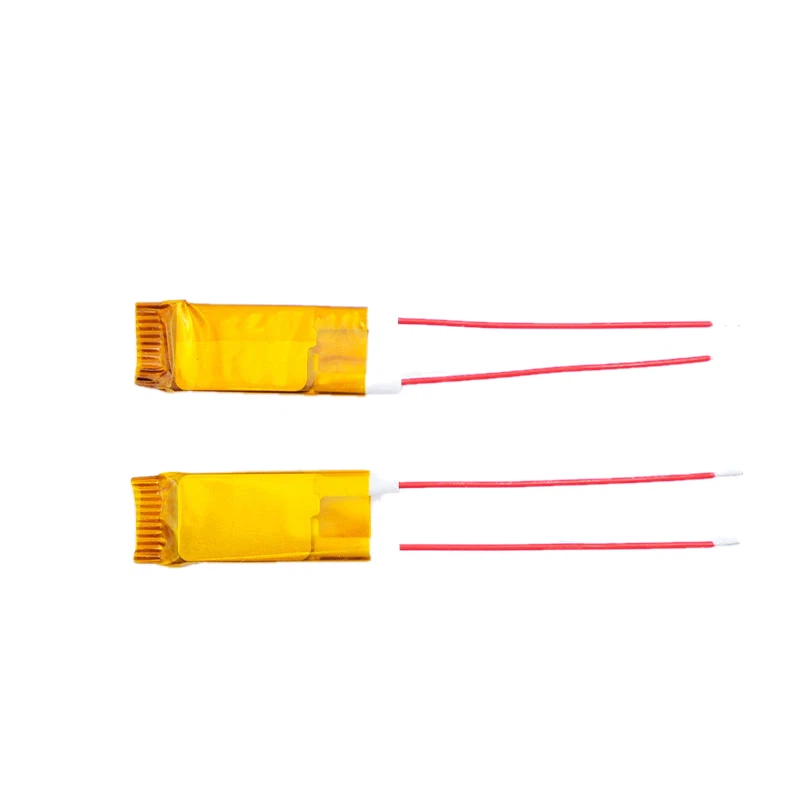
PTC heaters in medical physiotherapy devices are a heating element that uses a Positive Temperature Coefficient material - usually a special ceramic. Its resistance increases automatically as temperature rises.
The key idea is:
Cold → low resistance → more current → heats quickly
Hot → high resistance → less current → heating slows automatically
This creates a kind of self-regulating heater.
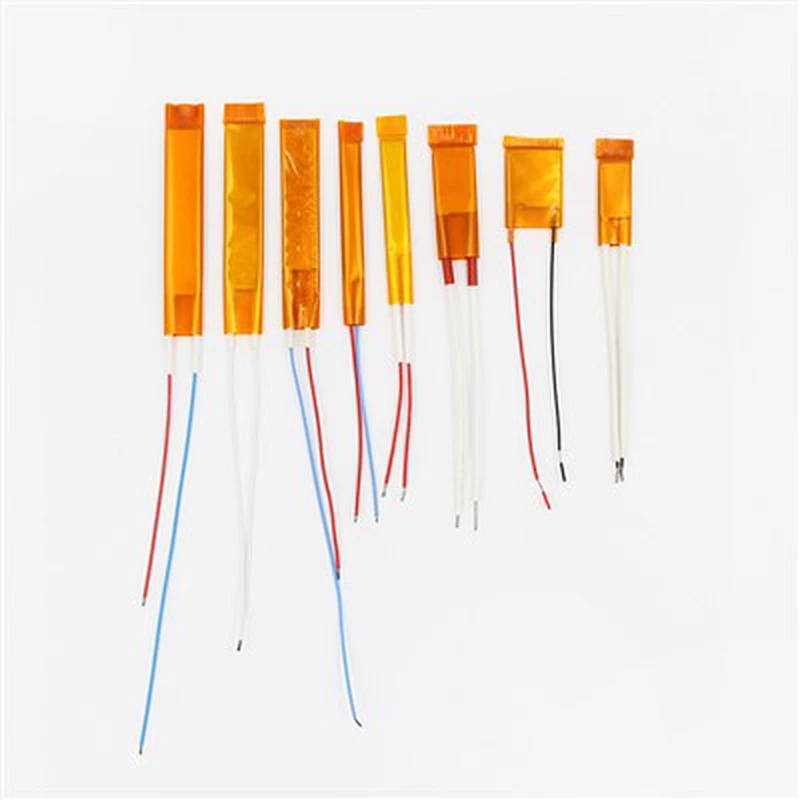
Why Physiotherapy Devices Use PTC Heaters
Common advantages:
1. Safer Temperature Control
PTC materials inherently limit excessive heating.
Useful for:
- heat therapy pads
- infrared physiotherapy instruments
- moxibustion simulators
- rehabilitation equipment
2. Fast Warm-Up
- Low initial resistance gives rapid heating after power-on.
- Patients feel warmth quickly.
3. Stable Constant Temperature
Once near target temperature, the heater balances itself.
This improves comfort during:
- muscle relaxation
- blood circulation therapy
- pain relief treatment
4. Long Lifetime
PTC ceramics:
- resist oxidation
- avoid glowing-hot wire failure
- have fewer thermal stress problems
Typical Temperature Range
Medical physiotherapy devices often operate around:
- 40–70°C surface temperature
- sometimes higher internally
- The exact "Curie temperature" of the PTC material is engineered for the intended therapy level.
Difference vs Traditional Resistance Wire
| Feature | PTC Heater | Nichrome Wire Heater |
|---|---|---|
| Self-regulating | Yes | No |
| Overheat risk | Lower | Higher |
| Warm-up speed | Fast | Medium |
| Control complexity | Simpler | Requires tighter control |
| Safety in medical use | Better | Moderate |