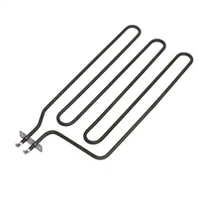
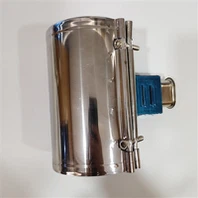
Mica band heaters are common electric heater used on the barrel of an injection molding machine to melt and maintain the temperature of plastic resin.
What it is?
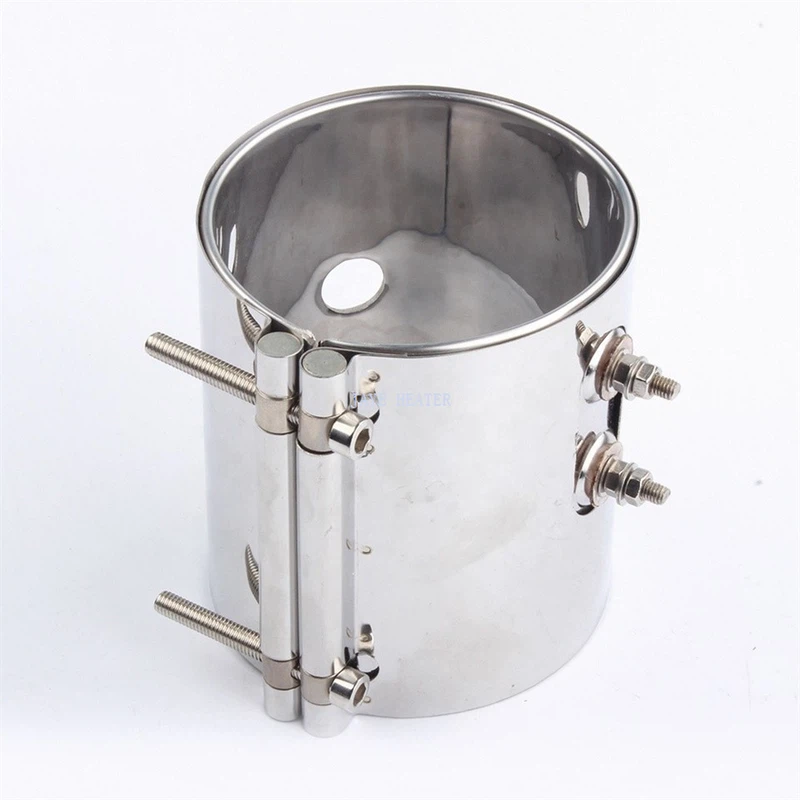
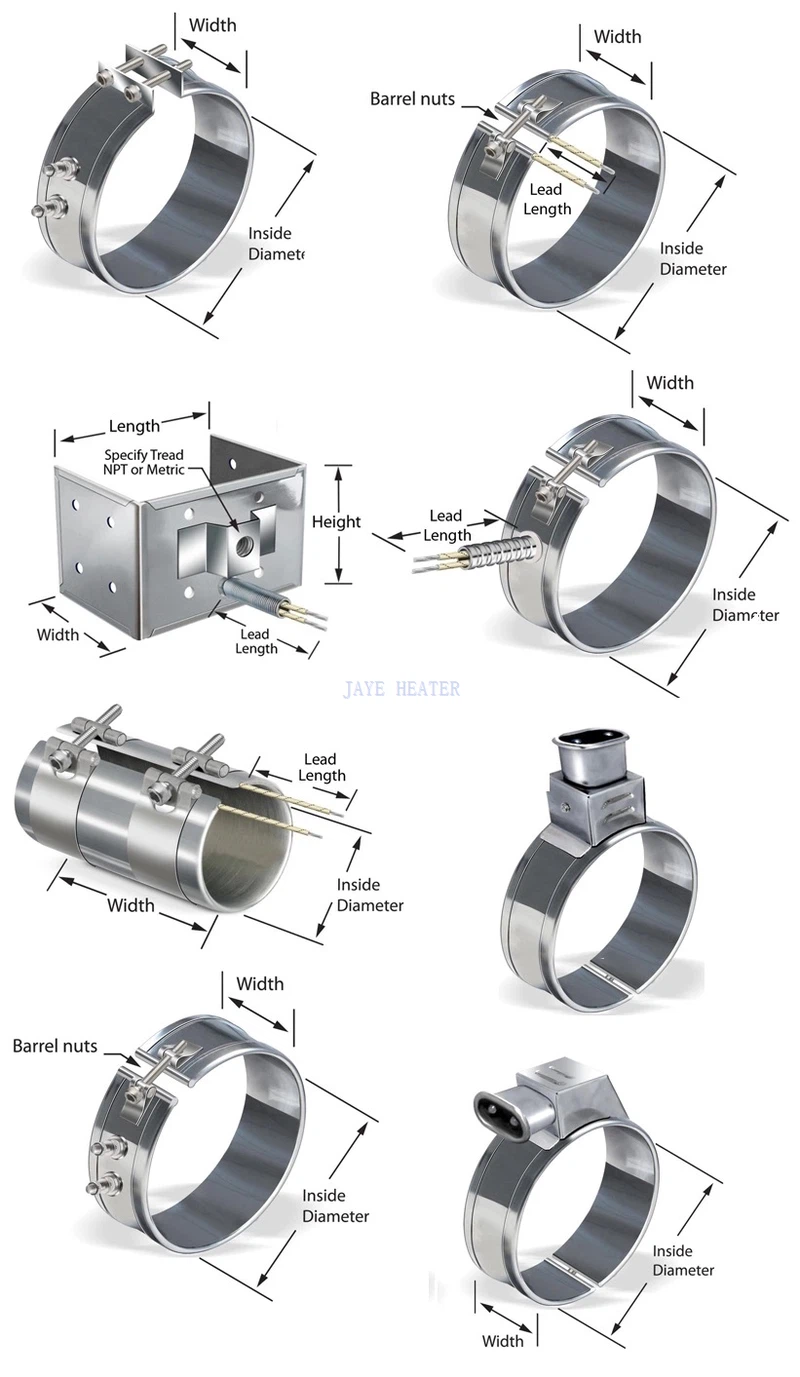
A mica band heater is a cylindrical heating element wrapped around the machine barrel.
It is made of:
- Resistance wire (usually nickel-chromium)
- Mica insulation sheets (heat-resistant electrical insulator)
- Metal outer sheath (stainless steel)
- The heater clamps tightly around the barrel so heat transfers efficiently into the steel barrel and then into the plastic material.
How it works
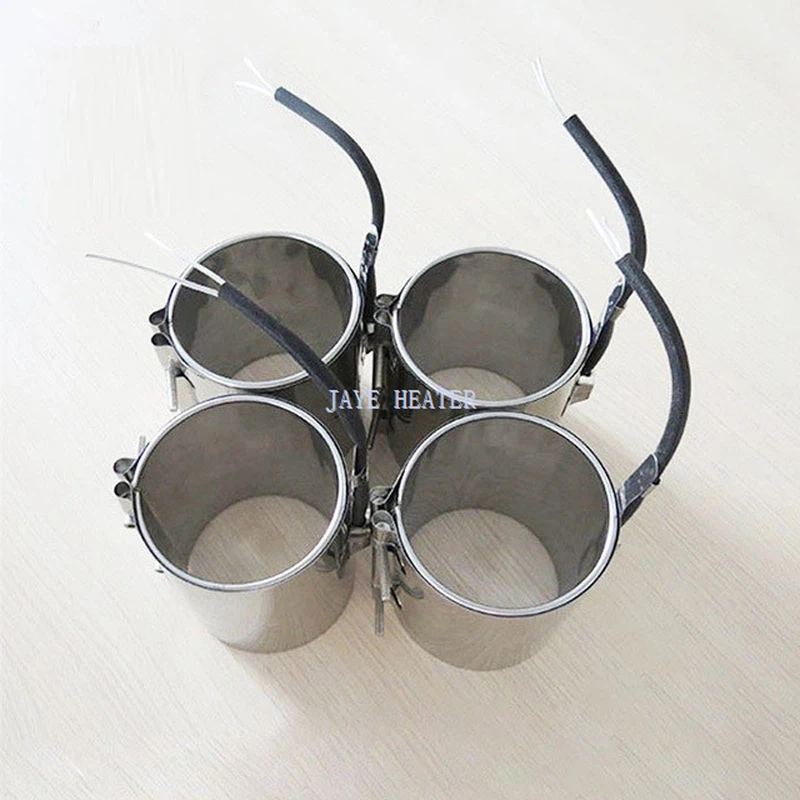
The principle is simple electric resistance heating:
- Electrical current passes through the resistance wire.
- The wire resists the current and generates heat (Joule heating).
- The mica electrically insulates the wire while allowing heat transfer.
- Heat moves through the metal sheath into the barrel.
- The plastic pellets inside the barrel soften and melt.
- The injection molding machine controls the heater using thermocouples and temperature controllers.
In an injection molding machine
The barrel usually has several heating zones:
- Feed zone
- Compression zone
- Metering zone
- Nozzle zone
Each zone has its own mica band heater and temperature sensor.
Why mica band heaters are popular
Advantages:
- Good heat transfer
- Compact and thin
- Low cost
- Easy installation
- Can reach high temperatures (~300–400°C)
- Replaceable by zone
Difference from ceramic band heaters
| Mica Heater | Ceramic Heater |
|---|---|
| Faster heat transfer | Better insulation |
| Lower cost | More energy efficient |
| Lower max temperature | Higher temperature capability |
| Thinner | Bulkier |
| Common on standard machines | Used for higher-performance applications |