1. Practical Product Classes & Typical Specs
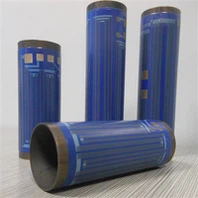
Induction coils are often grouped by their duty and performance level:
Light-duty coils: Designed for low-power household cooktops and small hotplates.
Standard industrial coils: Suited for medium-power commercial and industrial equipment.
Custom high-performance coils: Tailored for high-temperature zones or continuous heavy use.
Key specs include wire diameter (0.5–2mm), turns (50–400), heating frequency, resistance, and thermal capacity. A good coil must also consider cooling design and high-temperature insulation like fiberglass or ceramic sleeves.
We customizes coil types and parameters based on your working conditions, offering affordable pricing and reliable performance.

2. Pain Points & FAQ
Q: Why is heating too slow?
A: Coil turns or frequency may not be matched to load. Adjusting design parameters improves heat efficiency.
Q: Why does insulation fail over time?
A: Excess ambient heat or poor cooling causes premature breakdown. Better cooling and high-temp insulation extend life.
Q: Why do hot spots appear?
A: Uneven coil layout or poor contact with the workpiece. Correct layout and tight contact help uniform heating.
To prevent these issues, JAYE HEATER evaluates heat distribution and load characteristics during design to optimize each solution upfront.
3. Application Scenarios & Real Cases
Induction coils serve key roles in:
Home Induction Cooking - mainstream in modern kitchens for quick, safe heating.
Restaurant & Catering Equipment - stability under frequent use is essential.
Light Manufacturing Heat Systems - used for bending, assembly heating, and heat treatment.
Lab and Research Heating - precise temperature control for material testing or chemistry.