
How Do Thermostats Improve Safety and Efficiency of Electric Heaters?
Thermostats help electric heating systems maintain a target temperature by automatically switching the heater on or off according to temperature changes. By controlling when the heater operates, a thermostat can help reduce overheating, avoid unnecessary heating, and maintain more stable operating conditions.
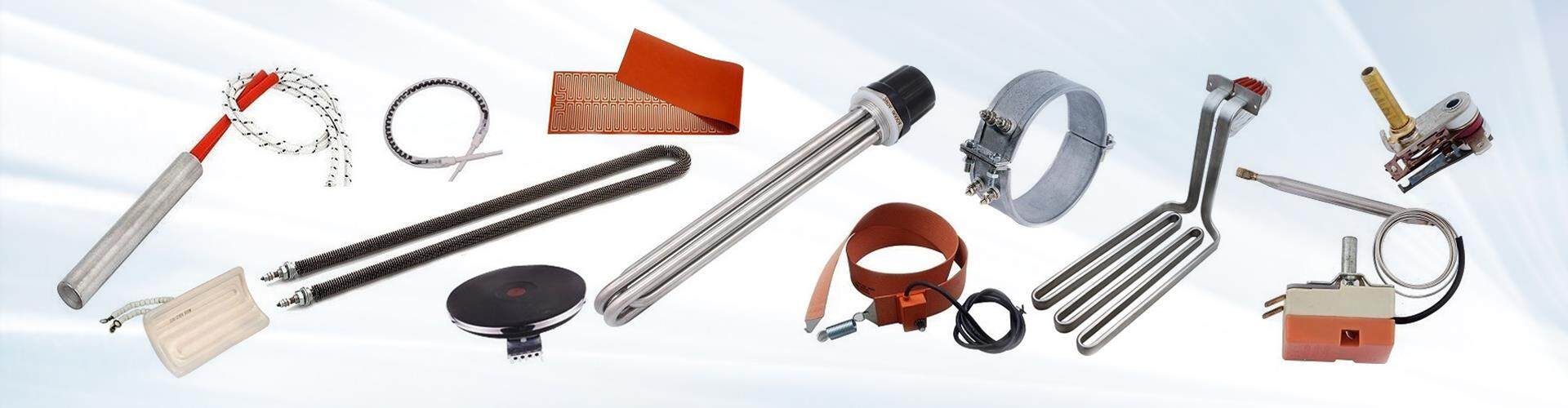
Thermostats are commonly used with silicone rubber heaters, heating pads, cartridge heaters, pipe heaters, and other electric heating elements. The appropriate thermostat depends on the required temperature range, control accuracy, electrical load, and installation conditions.

How Does a Thermostat Control an Electric Heater?
A thermostat uses a temperature-sensing mechanism to monitor the temperature of the heated component or surrounding environment.
When the temperature falls below the preset value, the thermostat can switch the heater on. Once the temperature reaches the specified upper limit, it switches the heater off.
This creates a simple control cycle:
Temperature drops → Heater turns on → Temperature rises → Heater turns off
The cycle repeats as the temperature changes.
The actual control range depends on the thermostat design and its specified switching temperature or differential.
Can a Thermostat Reduce Energy Consumption?
Yes, a thermostat can reduce unnecessary heater operation by switching the heater off when the target temperature has been reached.
Without temperature control, an electric heater may continue consuming power even when additional heating is not required.
The actual energy savings depend on factors such as:
- Heater power
- Target temperature
- Ambient temperature
- Heat loss
- Insulation
- Heating cycle
- Thermal load
Therefore, a thermostat does not make the heater itself more efficient; rather, it helps control when the heater consumes electrical power.

Thermostat vs. Temperature Controller vs. Thermal Protector
These devices all relate to temperature control or protection, but their functions are different.
| Device | Main Function | Typical Use |
|---|
| Thermostat | Switches heater on/off around a preset temperature | Basic temperature control |
| Electronic Temperature Controller | Continuously monitors temperature and controls heating more precisely | Applications requiring accurate temperature control |
| Thermal Protector | Disconnects the heater when an excessive temperature is detected | Over-temperature prot |
A thermostat is suitable for relatively simple temperature control. When the application requires precise temperature regulation, an electronic controller with a temperature sensor may be more appropriate.
A thermal protector is generally used as a safety protection device rather than as the primary temperature-control method.
FAQ
1.Does every electric heater need a thermostat?
No. Some heating systems operate under fixed conditions or use other forms of temperature control. However, a thermostat can be useful when the application requires automatic ON/OFF temperature control.
2.Is a thermostat the same as a thermal protector?
No. A thermostat is normally used for temperature control, while a thermal protector is primarily used to protect the heater or equipment from excessive temperature. Some systems use both.
3.Can a thermostat prevent a heater from overheating?
A properly selected thermostat can help limit the operating temperature, but it should not be considered the only protection in every application. The required safety design depends on the heater and operating conditions.
4.Can a thermostat be used with a silicone heater?
Yes. Thermostats are commonly combined with silicone rubber heaters and flexible heating pads to control surface or ambient temperature.


