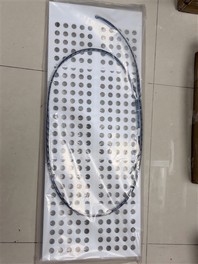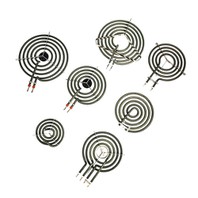
Jaye Heater Technology Co., Ltd. has completed an order of 20 custom PTFE immersion heaters and 10 corresponding replacement coils for an overseas chemical processing customer. The order supports the customer's ongoing chemical tank heating operations and provides additional replacement components to help reduce potential equipment downtime.
The cooperation reflects an important aspect of industrial heating applications: selecting a suitable heating element is only part of the solution. Proper operation, maintenance planning, and access to compatible replacement components are also essential for long-term equipment use.
The Application: Heating Corrosive Chemical Solutions
The customer operates chemical processing equipment that requires reliable heating inside chemical tanks. Due to the corrosive nature of certain process liquids, conventional metal-sheathed immersion heaters may face challenges such as sheath corrosion, material degradation, and potential contamination of the process medium.
For these applications, PTFE (Polytetrafluoroethylene) offers several important material advantages.
PTFE is widely used in chemical processing because of its excellent chemical resistance, low chemical reactivity, and non-metallic protective properties. It can help isolate the internal heating element from direct contact with compatible chemical solutions, making it a practical material choice for many corrosive liquid heating applications.
Based on the customer's application requirements, Jaye Heater supplied 20 custom PTFE immersion heaters for installation in the customer's chemical tanks.
An Operational Challenge: Preventing Dry Firing Damage
During previous trial operation, the customer encountered an issue caused by improper heater operation.
A section of the heating element was accidentally left outside the liquid while the power remained on.
Since the exposed section could not transfer heat to the surrounding liquid effectively, its temperature increased rapidly. This resulted in localized overheating and damage to the outer PTFE protective layer.
This experience highlighted an important operating consideration for PTFE immersion heaters: chemical resistance does not mean dry-firing resistance.
PTFE provides excellent protection against many chemical environments when used within its applicable temperature and compatibility limits. However, it cannot prevent overheating caused by insufficient heat dissipation.
When an immersion heater operates without adequate liquid coverage, the heating section may experience excessive temperatures, potentially damaging the PTFE sheath and internal heating components.
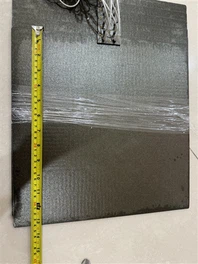
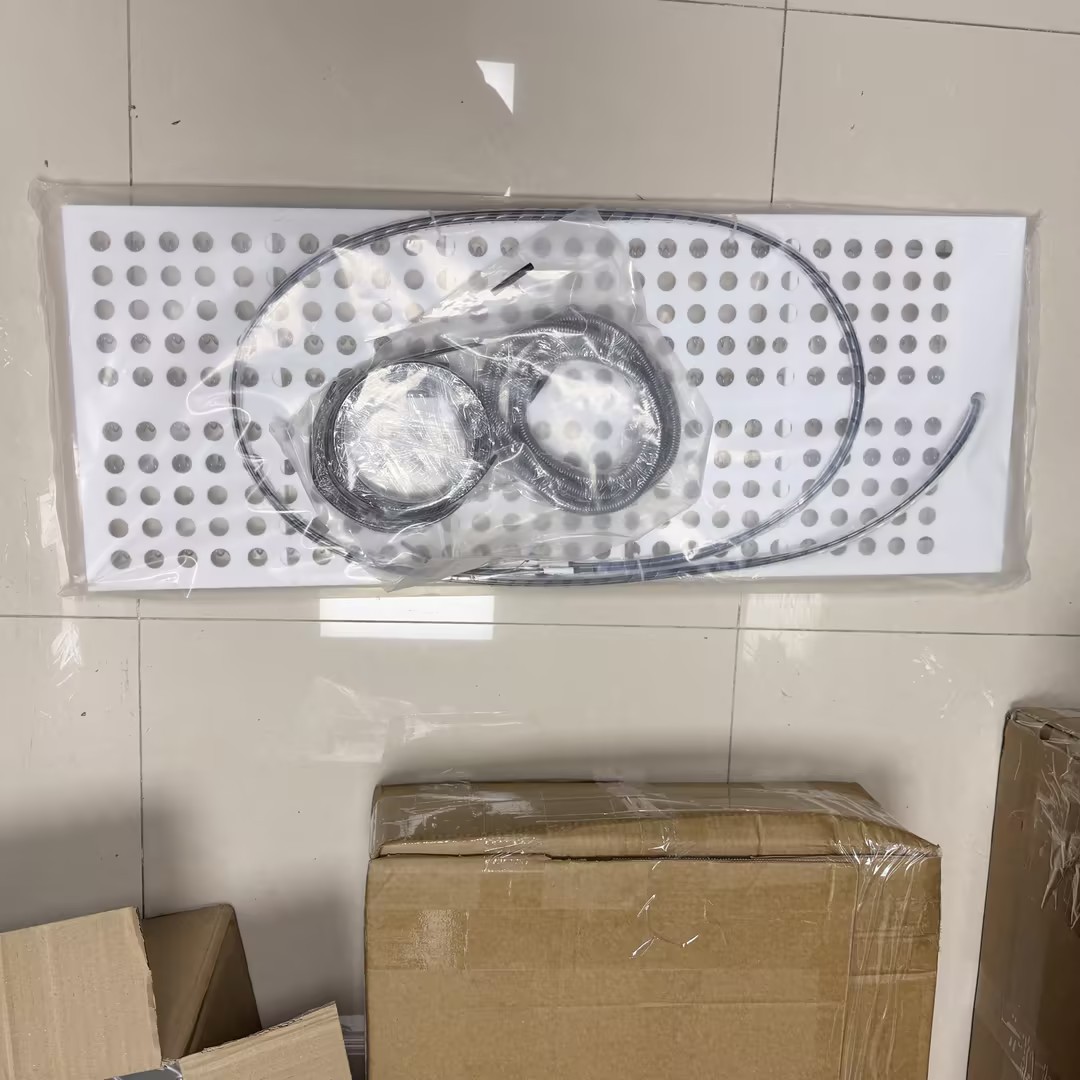
To reduce the impact of similar incidents on future operations and improve maintenance preparedness, the customer placed an additional order for 10 corresponding PTFE replacement coils.
These replacement components provide the customer with compatible spare parts for maintenance needs, helping shorten potential replacement lead times and reduce unnecessary equipment downtime.
The Solution: 20 PTFE Immersion Heaters and 10 Replacement Coils
Jaye Heater supplied the following products according to the customer's requirements:
| Item No. | Name & Description | Quantity |
|---|---|---|
| 1 | Custom PTFE Immersion Heater | 20 pcs |
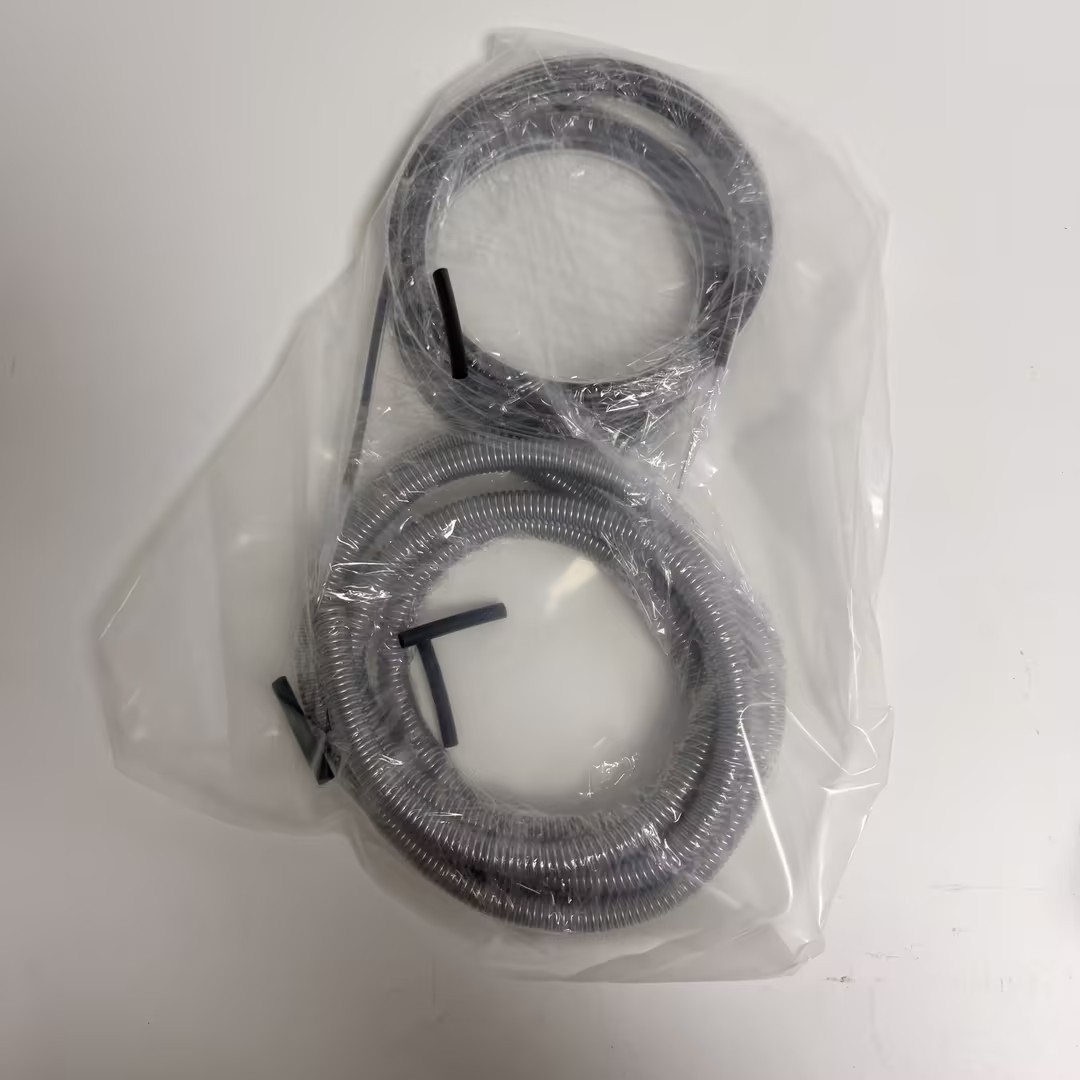
| 2 | PTFE Replacement Coil – PTFE Heater, 220V, 4KW, 900 × 350 × 25 mm | 10 pcs |
The PTFE heating assemblies are intended for chemical tank heating applications where corrosion resistance and material compatibility are important considerations.
The additional replacement coils are intended to serve as corresponding spare components for the customer's maintenance requirements.
By supplying both complete PTFE immersion heaters and replacement components, Jaye Heater helps the customer address not only the initial heating requirements but also subsequent maintenance needs.
Why PTFE Is Used in Chemical Immersion Heating
PTFE is an important engineering material in industrial chemical heating applications. Its properties make it suitable for environments where ordinary metallic materials may not provide sufficient chemical resistance.
Key advantages include:
1. Excellent Chemical Resistance
PTFE resists attack from many acids, alkalis, and chemical substances. Its compatibility with a particular chemical must still be evaluated according to the chemical composition, concentration, and operating temperature.
2. Low Chemical Reactivity
Its chemically inert characteristics help reduce unwanted reactions between the protective sheath material and compatible process media.
3. Electrical Insulation
PTFE has excellent electrical insulating properties, making it useful as an insulating and protective material in electrical heating assemblies.
4. Suitable for Corrosive Liquid Applications
PTFE-sheathed immersion heaters are commonly considered for chemical tanks, electroplating baths, surface treatment lines, and other industrial processes involving corrosive liquids.
However, proper heater selection and operating conditions remain essential. PTFE heaters must be used within their specified temperature limits and should never be operated without the required liquid immersion.
Important Operating Reminder: Never Run an Immersion Heater Dry
Based on this application experience, Jaye Heater would like to remind all users of PTFE immersion heaters to pay attention to liquid levels during operation.
- Ensure the active heating section is sufficiently immersed before switching on the power.
- Maintain the required liquid level throughout the heating process.
- Use suitable liquid-level monitoring or protection measures where necessary.
- Switch off the power before removing the heater or performing maintenance.
- Never assume that a corrosion-resistant PTFE sheath can withstand continuous dry operation.
For chemical tank heating systems, proper operation is just as important as the selection of suitable materials and heating elements.
Jaye Heater: Custom PTFE Heating Solutions and Replacement Components
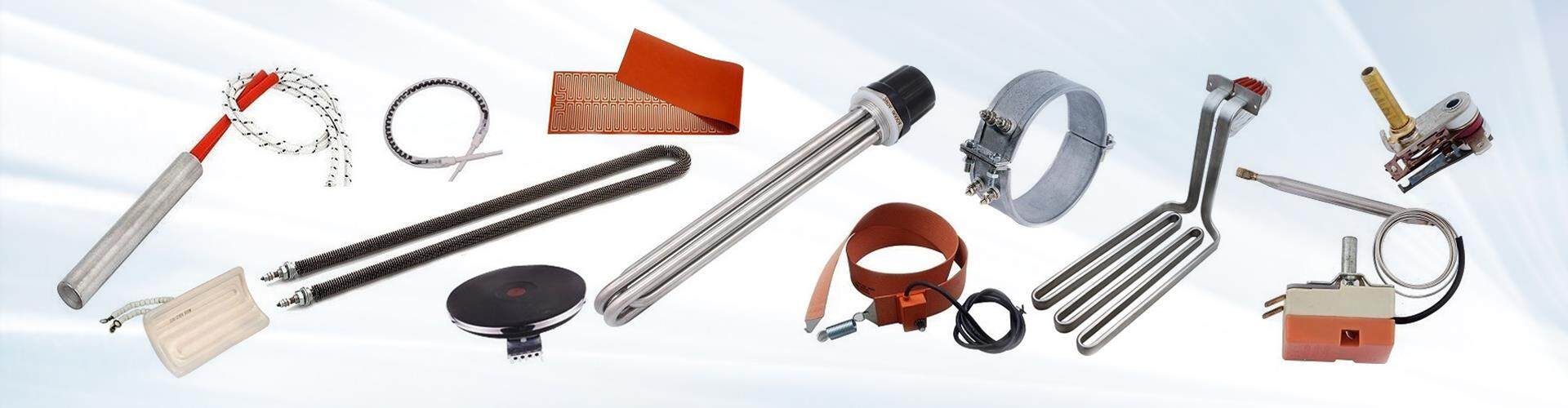
Jaye Heater Technology Co., Ltd. specializes in the manufacturing of industrial heating elements, including custom PTFE immersion heaters for chemical processing applications.
With experience in custom heating element production, Jaye works with customers to manufacture heaters according to their equipment layouts, electrical requirements, and application conditions.
Our PTFE heating product range can be customized in different configurations to suit various chemical tanks and industrial heating applications.
Replacement heating components can also be discussed according to the original heater construction and maintenance requirements.
From initial product supply to replacement components, Jaye aims to support customers throughout the practical use of their heating equipment.

Looking for Custom PTFE Immersion Heaters?
Contact Jaye Heater Technology for your custom PTFE immersion heater project.