
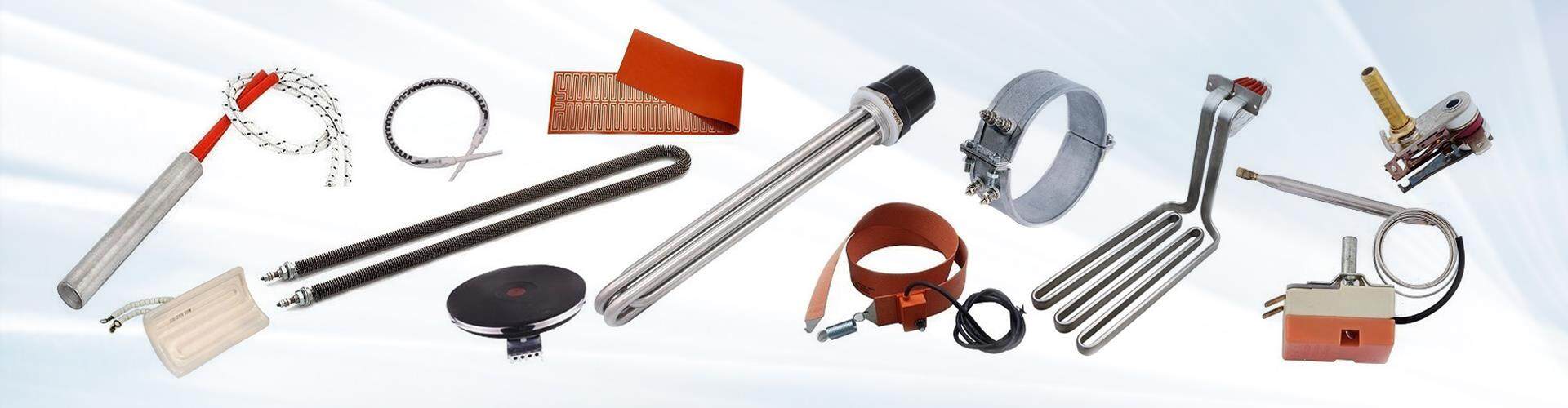
A capillary thermostat is a practical temperature control solution used in many types of heating equipment. Instead of relying on a digital sensor and control board, it uses a sensing bulb and capillary tube to detect temperature and control the heating circuit.

This simple design makes capillary thermostats a popular choice for appliances and equipment where reliable temperature switching and easy adjustment are important.
Ovens and Baking Equipment
Ovens are one of the most common applications for capillary thermostats.
The sensing bulb can be positioned inside the oven chamber to monitor the actual temperature, while the thermostat body is installed on the control panel. When the oven reaches the selected temperature, the thermostat switches the heating element off and allows it to turn on again as the temperature drops.
This makes it suitable for household ovens, commercial ovens and other baking equipment.
Deep Fryers
Deep fryers also require consistent temperature control during operation.
A capillary thermostat can monitor the temperature of the cooking oil and control the heating element accordingly. The sensing bulb is placed close to the oil, while the thermostat can remain outside the heated area.
Different temperature ranges can be selected depending on the fryer design and cooking requirements.
Water Heaters
Capillary thermostats are also found in water heating equipment.
The sensing bulb detects the water temperature and controls the heating element around the preset temperature. This type of mechanical control is suitable for equipment that does not require a digital temperature display or programmable control system.
Coffee Machines and Beverage Equipment
Some coffee machines, hot water dispensers and beverage heating equipment use mechanical thermostats to control water or heating temperatures.
Their compact structure and adjustable temperature settings make capillary thermostats convenient for equipment with limited installation space.
Commercial Heating Equipment
Beyond household appliances, capillary thermostats can be used in commercial and industrial heating equipment where a simple mechanical temperature control method is preferred.
The sensing bulb can be installed at the required temperature-monitoring point, while the thermostat body is positioned where the operator can easily access the temperature adjustment.

Why Are Capillary Thermostats Still Used?
The popularity of capillary thermostats comes from their straightforward design.
They do not require a separate digital controller, temperature display or complex electronic system. At the same time, the remote sensing bulb provides flexibility when the temperature needs to be measured away from the thermostat body.
For many heating applications, this combination of simple operation, flexible installation and reliable temperature switching is enough to meet the equipment's requirements.
Choosing the Right Capillary Thermostat
The suitable thermostat depends on the equipment and its operating conditions. Important specifications can include the temperature range, electrical rating, capillary length, sensing bulb size and mounting configuration.
For customized equipment, the thermostat can also be matched to the available installation space and the position of the heating element.
Jaye Heater supplies capillary thermostats for different heating applications and can provide customized configurations based on the equipment requirements.
Whether it is an oven, fryer, water heater or another heating appliance, providing the temperature range, voltage, current, capillary length and sensing bulb dimensions can help us identify a suitable thermostat configuration.

One-stop Heating & Controllers Factory in China
Upgrade your heating systems with Jaye Heater's premium components. For reliable heating elements and precise thermal controllers that ensure performance and safety, contact our experts today for a quote and technical support. Let's find your perfect heating solution.


