
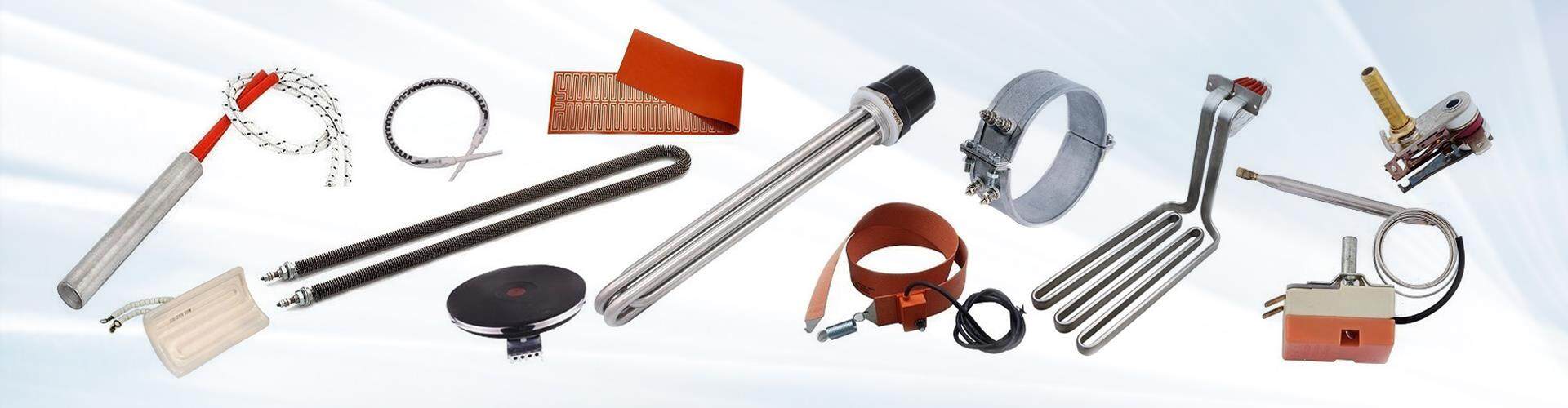
PTFE heaters are flexible electric heating elements designed for applications where uniform heating, chemical resistance, and reliable temperature control are required. In footwear manufacturing equipment, PTFE heaters can be used to heat molds, tooling, bonding surfaces, adhesive systems, and other components involved in shoe forming and assembly.

What Is a PTFE Heater?
A PTFE heater is typically constructed with a resistance heating wire or etched-foil heating element embedded in or laminated with PTFE (polytetrafluoroethylene) insulation.
When electrical power is applied, the resistance element converts electrical energy into heat through Joule heating. The PTFE insulation helps protect the heating element from moisture, chemicals, abrasion, and electrical contact while allowing the heater to operate reliably in demanding industrial environments.
How Does a PTFE Heater Work in Footwear Manufacturing Equipment?
The working process can be summarized in five steps:
1. Electrical power is supplied
The heater receives a specified voltage from the footwear machine's electrical control system.
2. The heating element generates heat
Electrical current passes through the resistance element, producing heat according to the heater's electrical resistance.
3. Heat is transferred to the target component
The generated heat moves through the PTFE insulation and into the mold, tooling, platen, bonding surface, or other equipment component.
4. Temperature is monitored and controlled
A thermostat, thermocouple, RTD, or digital temperature controller can regulate the heater to maintain the required operating temperature.
5. Consistent heat supports footwear processing
Stable and evenly distributed heating helps improve processes such as adhesive activation, material forming, bonding, and thermal shaping.
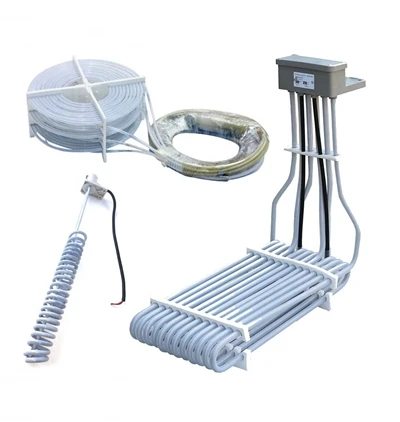
Why Are PTFE Heaters Suitable for Footwear Equipment?
1. Flexible Heating Design
PTFE heaters can be manufactured in different shapes and sizes, allowing them to fit curved, flat, or irregular surfaces found in footwear machinery.
2. Uniform Heat Distribution
A properly designed heating pattern can provide relatively uniform surface heating. This is important when footwear materials or adhesives need consistent temperatures across a working area.
3. Excellent Chemical Resistance
PTFE has strong resistance to many chemicals, oils, solvents, and industrial contaminants. This can be advantageous in footwear production environments where adhesives, coatings, and cleaning agents may be present.
4. Moisture Resistance
PTFE's excellent insulation and moisture-resistant properties make PTFE heaters suitable for equipment exposed to humid production environments or occasional cleaning.
5. Fast Thermal Response
Thin PTFE heaters have relatively low thermal mass, allowing them to reach the required temperature efficiently compared with some thicker heating solutions.
6. Easy Integration With Temperature Control
PTFE heaters can be combined with thermocouples, RTDs, thermostats, and temperature controllers to create a closed-loop heating system.

Typical Applications in Footwear Manufacturing
PTFE heaters can be customized for several types of footwear equipment, including:
- Shoe sole bonding machines – heating bonding areas to activate or improve adhesive performance.
- Shoe molding equipment – providing controlled heat to molds and tooling.
- Upper forming equipment – maintaining the required temperature for thermal forming processes.
- Adhesive activation systems – heating adhesive-coated surfaces before bonding.
- Heat-setting equipment – supplying controlled heat during material shaping or stabilization.
- Shoe pressing and bonding machines – maintaining a stable temperature on heating plates or pressing tools.
PTFE Heater Heating Process
A simplified heat-transfer path is:
Electrical Power → Resistance Element → PTFE Insulation → Equipment Surface → Footwear Material / Adhesive
The heater's wattage, voltage, resistance, dimensions, heating pattern, and operating temperature should be selected according to the specific footwear machine and application.
Key Specifications
| Parameter | Typical Consideration |
|---|---|
| Heater Type | PTFE flexible heater |
| Heating Element | Resistance wire or etched foil |
| Insulation | PTFE |
| Voltage | Customized |
| Power | Customized |
| Shape | custom-shaped |
| Temperature Sensor | Thermocouple / thermostat |
| Installation | Adhesive, mechanical fixing, clamping, etc. |
Conclusion
PTFE heaters provide a flexible and reliable heating solution for footwear manufacturing equipment. Their combination of flexible construction, uniform heating, chemical resistance, moisture resistance, and easy temperature control makes them suitable for applications such as shoe sole bonding, molding, adhesive activation, pressing, and thermal forming.
For custom footwear equipment, the PTFE heater should be designed according to the heated surface dimensions, required temperature, voltage, wattage, heating time, mounting method, and temperature-control requirements.


