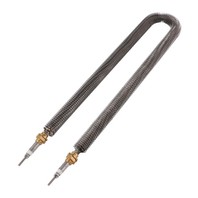
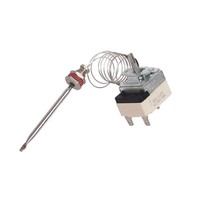
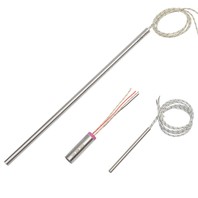
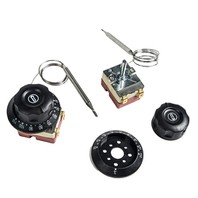
Infrared heating lamps integrated into blower systems are advanced thermal solutions used to deliver targeted, energy-efficient heat transfer through a combination of radiant infrared energy and forced air circulation. These systems are widely applied in industrial drying, curing, preheating, and process temperature control.
What Is an Infrared Heating Lamp in a Blower System?
An infrared heating lamp in a blower system combines two heating mechanisms:
Infrared (IR) radiation heating: Direct electromagnetic heat transfer to objects without heating surrounding air.
Forced air (blower) system: Distributes heated air evenly, improves heat penetration, and stabilizes temperature across surfaces or volumes.
This hybrid approach increases efficiency and uniformity compared to standalone infrared heaters or convection heaters.

How It Works
Infrared emission
IR lamps emit short, medium, or long-wave infrared radiation.
The radiation directly heats the surface of materials (metal, plastic, coatings, textiles).
Airflow integration
A blower system circulates air across or around the IR heating zone.
This prevents overheating hotspots and improves thermal uniformity.
Combined heat transfer
Radiation provides fast surface heating.
Convection (airflow) supports deeper and more even heat distribution.
Key Components
- Infrared heating lamps (quartz, halogen, or ceramic emitters)
- Reflectors (to direct IR energy efficiently)
- Blower/fan unit (centrifugal or axial fans)
- Air ducts or nozzles
- Temperature control system (thermostats, PID controllers)
- Safety sensors (overheat, airflow monitoring)

Industrial Applications
Infrared blower heating systems are commonly used in:
- Paint and coating drying lines
- Plastic thermoforming and preheating
- Food processing and dehydration systems
- Textile drying and finishing
- Automotive parts curing and surface treatment
- Packaging heat-shrink processes
Advantages
1. High Energy Efficiency
IR lamps directly heat the product, reducing energy loss to surrounding air.
2. Faster Processing Time
Combining radiant and convective heat accelerates drying and curing cycles.
3. Uniform Heating
The blower eliminates uneven thermal distribution and cold spots.
4. Process Control Precision
Modern systems allow fine control of temperature zones and airflow rates.
5. Reduced Thermal Stress
Gentler and controlled heating improves material quality and reduces defects.