Based on the available information, a cartridge heater primarily affects temperature uniformity in a freeze dryer in a very specific and indirect way: it is used for defrosting the condenser, not for heating the product during the drying phase.
Here is a breakdown of its role and effect:
The Cartridge Heater's Role: Defrosting, Not Drying
Location: The cartridge heater is inserted into a thermal well inside the condenser, which is the part of the freeze dryer that collects ice from the sublimation process.
Timing of Use: It is used after a freeze-drying cycle is complete to defrost the ice that has built up on the condenser.
Direct Function: Its primary job is to quickly and efficiently melt or release the ice layer on the condenser to prepare the machine for the next run.
Positive Effect on Defrosting Uniformity
The cartridge heater's main contribution to "uniformity" is in making the defrosting process even and efficient. This is achieved through its clever integration with the condenser's design:
Localized & Efficient Heating: Because the heater is placed inside the condenser, it applies heat directly where it is needed. This avoids raising the temperature of other parts of the freeze dryer (like the chamber or manifold), allowing the machine to cool down faster for the next cycle.
Distribution via a Mesh: For the heat to be uniform, the inside of the condenser is packed with a highly thermally-conductive mesh (like copper). This mesh acts as a wick, absorbing the heat from the cartridge heater and spreading it rapidly and evenly throughout the entire condenser structure, ensuring all ice-covered surfaces are defrosted uniformly.
Crucial Distinction: Heating the Product vs. Defrosting
It is very important not to confuse the condenser defrosting process with the way the product is heated during drying. The search results indicate that cartridge heaters are not the primary method for providing heat to the product.
During the drying phase (primary drying), the goal is to provide a controlled "heat of sublimation" to the frozen product. To achieve good product temperature uniformity during this critical phase, freeze dryers rely on other methods:
Conduction from Heated Shelves: The shelves that hold the vials are temperature-controlled. Heat is transferred directly from the shelf to the glass vial and into the product.
Radiation: Heat can also be supplied from a source (like an infrared heater or the chamber walls/door) and radiated to the product.
Shelf Temperature Control: The accuracy and uniformity of the shelf temperature are critical for ensuring all vials in a batch dry at the same rate and stay below the critical product temperature (e.g., the collapse temperature).
In short, the cartridge heater contributes to overall process uniformity by efficiently preparing the freeze dryer for the next cycle, but it does not play a direct role in the even heating of the product during the drying process itself. For that, the shelf and radiation heating systems are the key factors.
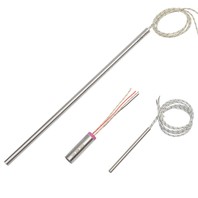
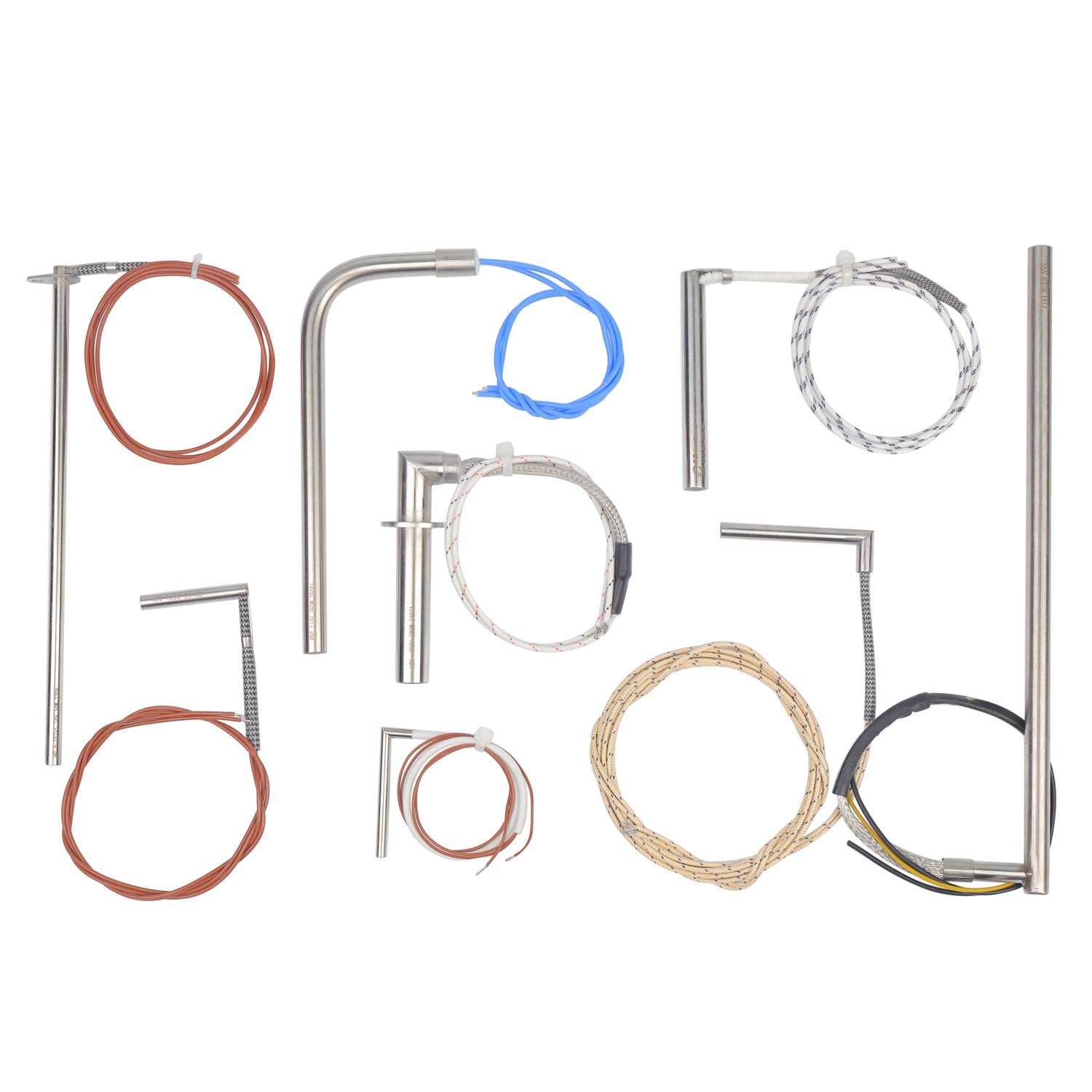
In lyophilization processes, cartridge heaters do not directly heat the product, but they play a decisive role in the uniformity, efficiency, and energy consumption of condenser defrosting. Our industrial-grade cartridge heaters offer the following features:
- Strong Adaptability: Standard diameters from 6mm to 20mm with customizable lengths to perfectly match various freeze dryer condenser well tubes.
- Easy Installation: Smooth stainless steel sheath allows for effortless insertion and removal, simplifying maintenance and replacement.
- Reliable Performance: Stable power output ensures rapid startup even in low-temperature environments, evenly melting ice layers and eliminating residual ice crystals that could compromise sublimation efficiency in subsequent batches.
With professional heating technology, we safeguard every start and stop of your freeze dryer.