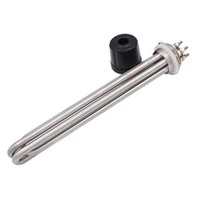
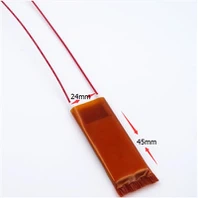
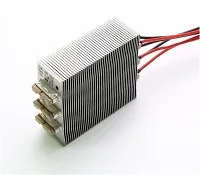
An immersion water heater for a CIP (Clean-In-Place) tank is designed to heat water or cleaning solutions in industrial cleaning processes, especially in industries such as food and beverage, dairy, pharmaceuticals, and brewing. The CIP (Clean-In-Place) cleaning process usually requires heating to a specific temperature to effectively clean equipment, pipes, and tanks without disassembling them.
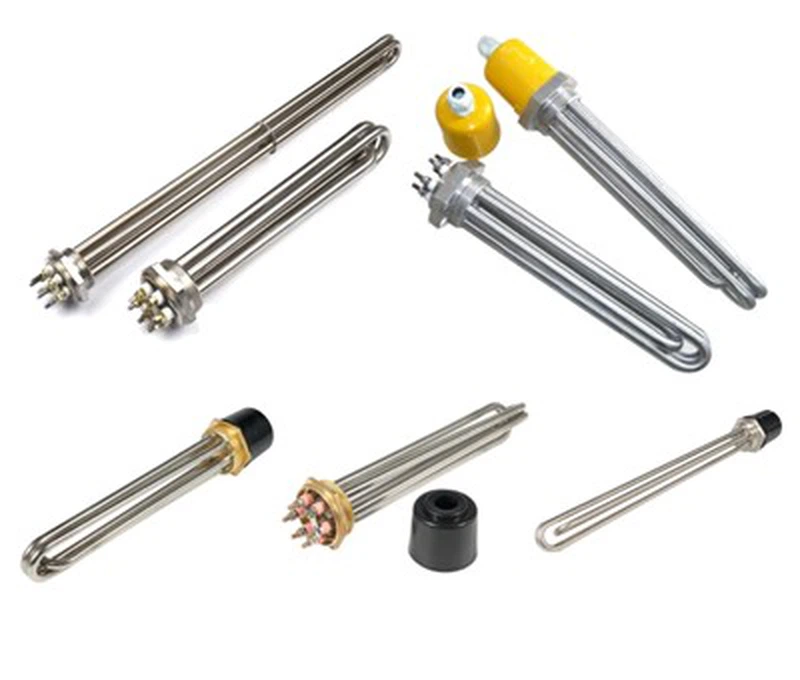
Key Features of Immersion Heaters for CIP Tanks:
Durability and Material: Immersion heaters are typically made of stainless steel or other corrosion-resistant materials to withstand chemicals and high temperatures used during the CIP process.
Efficient Heat Transfer: They are designed to ensure rapid and efficient heat transfer to water or cleaning solutions.
Safety Features: Over-temperature protection, thermal cutoffs, and explosion-proof designs for hazardous areas.
Temperature Control: Many immersion heaters come with built-in thermostats or controllers to maintain precise temperature ranges (usually between 70°C to 85°C for effective CIP cleaning).
Flexible Sizes: Available in different wattages and sizes to suit various tank volumes and cleaning needs.
Energy Efficiency: Designed for efficient energy use to minimize operational costs while maintaining optimal cleaning performance.
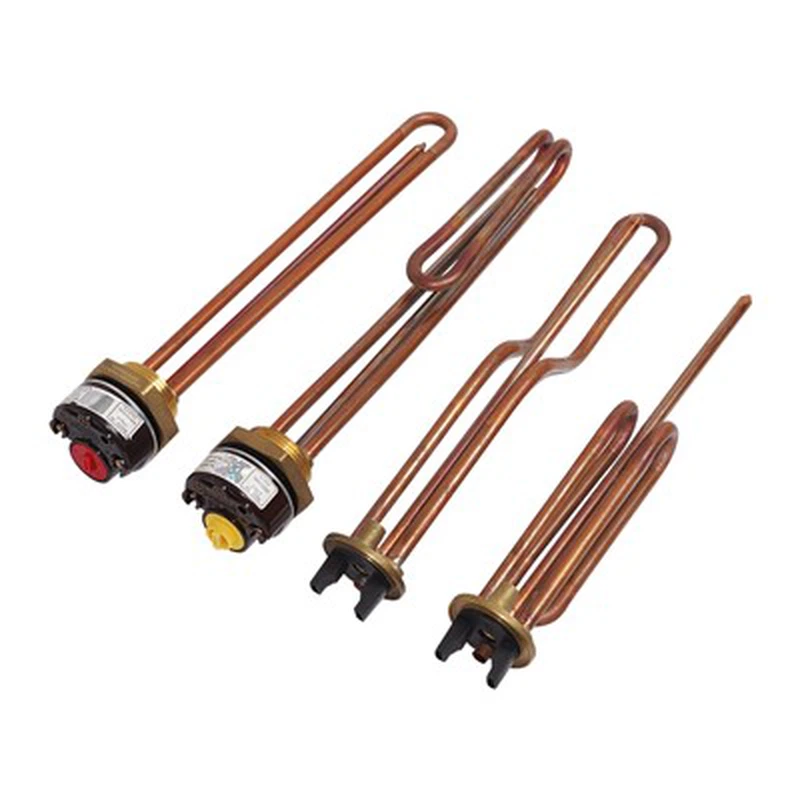
Types:
Flange-type: Typically used for large industrial systems, mounted via flanges.
Screw-plug type: Ideal for smaller CIP tanks or systems with limited space.
Direct immersion: The heaters are directly immersed in the solution for heating.
Working Principle of Immersion Heaters
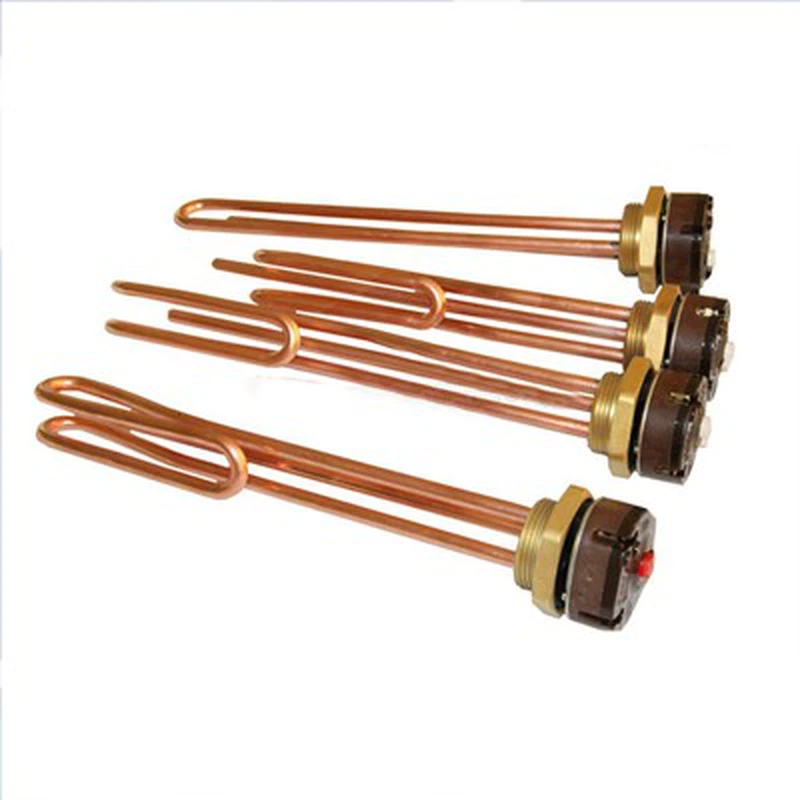
Immersion heaters usually consist of electric heating elements that are directly immersed in water or cleaning solution. The working principle is to convert electrical energy into heat energy, with the heating elements releasing heat, which is then rapidly transferred to the liquid. Immersion heaters are quite effective because they transfer heat through direct contact with the medium being heated.

Applications of Immersion Heaters in CIP Cleaning
In CIP cleaning, the heater's main role is to heat the cleaning liquid to a specified temperature, typically between 70°C and 85°C. This ensures effective cleaning without damaging equipment or accelerating corrosion. Common cleaning liquids include water, acidic or alkaline solutions, and disinfectants. Temperature control is crucial because too low a temperature leads to ineffective cleaning, while too high a temperature can harm equipment. Immersion heaters automatically adjust to maintain the desired temperature range, ensuring optimal cleaning performance.