
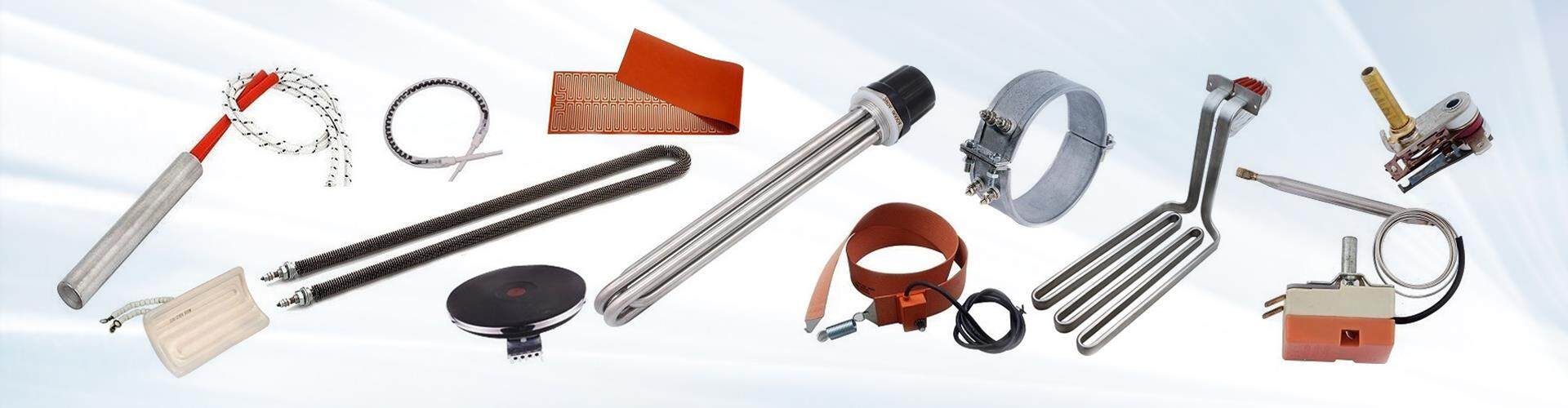
Hot runner coil heaters are widely used in plastic injection molds to provide precise and efficient heating for hot runner systems. They help keep molten plastic at the required processing temperature as it moves through the manifold, nozzle, and gate.
What Is a Hot Runner Coil Heater?
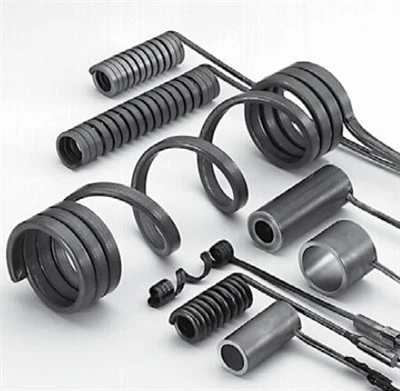
A hot runner coil heater is a flexible tubular heating element formed into a coil shape. It normally consists of a resistance wire, high-temperature insulation material, and a metal sheath.
The coil shape allows the heater to closely fit around hot runner nozzles and other mold components. Depending on the mold design, the heater can be manufactured with different diameters, lengths, voltages, wattages, and terminal configurations.

How Does a Hot Runner Coil Heater Work?
The working principle is based on electrical resistance heating:
- Electrical power is supplied to the coil heater.
- The internal resistance wire converts electrical energy into heat.
- Heat is transferred through the metal sheath to the hot runner nozzle or other mold components.
- The heater maintains the required temperature of the hot runner system.
- A temperature controller and thermocouple can regulate the heater to maintain stable processing temperatures.
- By keeping the plastic melt within its required temperature range, the system helps prevent premature solidification inside the nozzle or runner.
Why Are Coil Heaters Used in Plastic Molds?
Hot runner coil heaters offer several advantages for injection molding applications:
Compact heating design: The coil structure fits around cylindrical nozzles and other components.
Fast heat transfer: Close contact with the heated component improves thermal transfer.
Precise temperature control: Coil heaters can work with thermocouples and temperature controllers.
Uniform heating: Properly designed coils help reduce localized cold spots.
Customizable dimensions: Inner diameter, length, voltage, wattage, and lead configuration can be customized.
High-temperature operation: Suitable materials can be selected for demanding plastic injection molding processes.

Where Are Hot Runner Coil Heaters Used?
Hot runner coil heaters are commonly installed on:
- Hot runner nozzles
- Injection molding machine hot runner systems
- Manifold components
- Sprue bushings
- Plastic injection molds
- Thermoplastic processing equipment
They are especially useful for applications requiring stable melt temperature and accurate control of the plastic flow.

Hot Runner Coil Heater Specification
| Item | Typical Specification |
|---|---|
| Heater Type | Hot Runner Coil Heater |
| Heater Shape | Coil / Spiral |
| Voltage | 12–240 V |
| Power | Customized |
| Inner Diameter | Customized |
| Length | Customized |
| Sheath Material | Stainless Steel |
| Heating Wire | NiCr Resistance Wire |
| Insulation | High-temperature MgO |
| Thermocouple | J / K Type Optional |
| Lead Wire | Customized |
| Application | Plastic Injection Molds / Hot Runner Systems |
How to Select a Hot Runner Coil Heater?
When selecting a coil heater for a plastic mold, the main factors include:
1. Heater dimensions
The inner diameter should match the outside diameter of the nozzle or heated component to ensure good contact.
2. Voltage and wattage
The voltage and wattage should match the mold heating system and required heating capacity.
3. Operating temperature
The heater materials should be selected according to the required operating temperature and plastic material.
4. Heating length
The heated length should cover the required heating zone without creating unnecessary cold or overheated areas.
5. Thermocouple position
For precise temperature control, the thermocouple location should correspond to the mold's temperature-monitoring requirements.
Conclusion
Hot runner coil heaters provide an efficient heating solution for plastic injection molds. By closely surrounding hot runner nozzles and other cylindrical components, they deliver controlled and consistent heat to maintain the required plastic melt temperature.
For custom plastic molds, coil heaters can be manufactured according to the required diameter, length, voltage, wattage, temperature, lead configuration, and thermocouple design, making them suitable for a wide range of hot runner applications.


