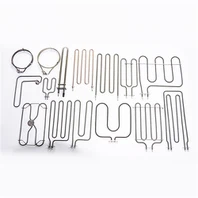
What Is Fin Pitch?
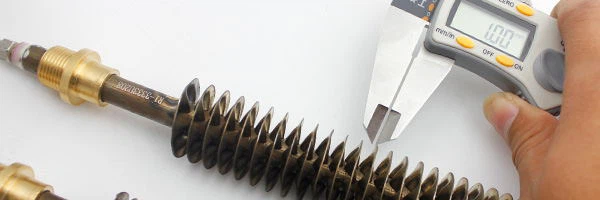
Fin pitch is the distance from one fin to the next along the length of a finned tubular heater. It is usually measured in millimeters.
For example, a heater with a 5 mm fin pitch has a smaller spacing between fins than one with a 10 mm fin pitch.
The choice of fin pitch is not simply about adding more fins. It is a balance between increasing the available heat transfer area and allowing sufficient airflow through the heater.
How Does Fin Pitch Affect Heat Transfer?
In general, a smaller fin pitch means more fins can be installed on the same length of heating tube. This increases the total surface area available for heat transfer.
More surface area can help the heater transfer heat to the surrounding air more effectively.
However, a smaller fin pitch also creates narrower air passages between the fins. If the fins are too closely spaced for a particular application, airflow resistance may increase, which can affect the performance of the entire heating system.
This means that a smaller fin pitch is not always better.
The ideal fin pitch depends on the operating conditions and the design of the heating system.
Close Fin Pitch vs. Wide Fin Pitch
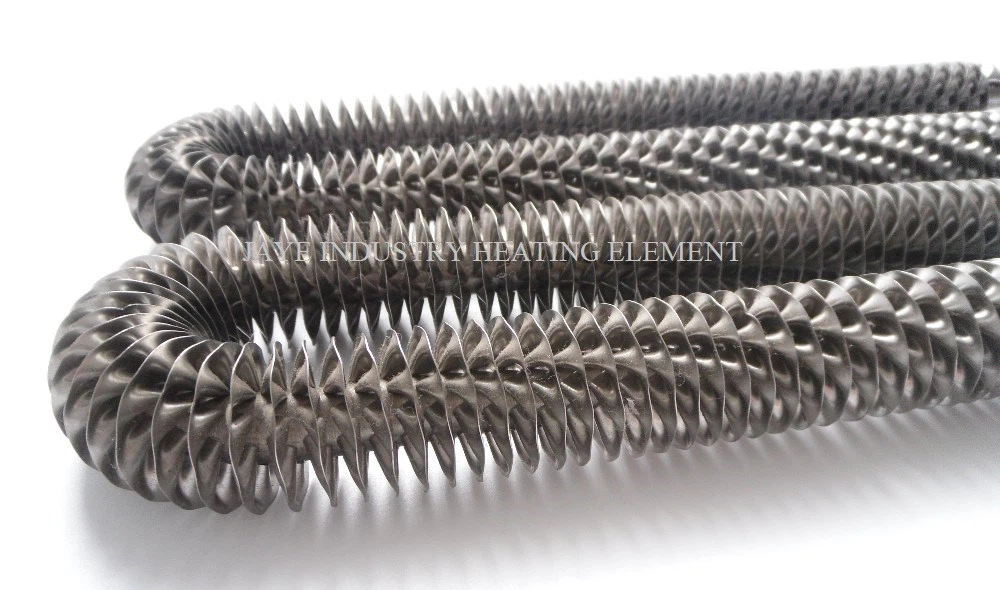
Close Fin Pitch
A close fin pitch provides a larger total fin surface area within a given heater length.
It can be suitable for applications where:
- High heat transfer is required
- Space is limited
- Airflow is relatively clean
- The system can handle higher airflow resistance
However, closely spaced fins may increase pressure drop and can be more susceptible to dust or dirt accumulation in some environments.
Wide Fin Pitch
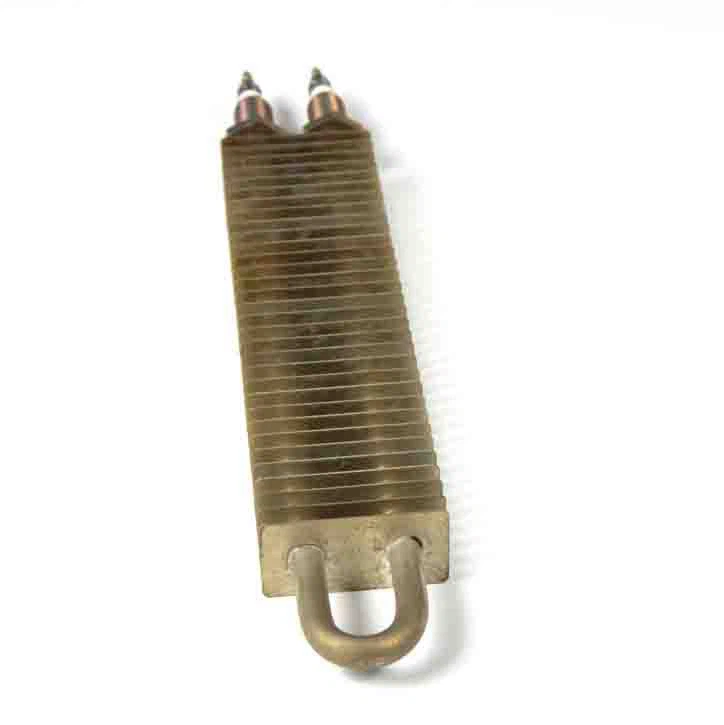
A wider fin pitch creates larger air passages between the fins.
This can be beneficial for:
- Higher airflow applications
- Systems requiring lower pressure drop
- Environments with dust or particles
- Applications where easier cleaning is important
The trade-off is that a wider fin pitch provides fewer fins and less total surface area over the same heater length.
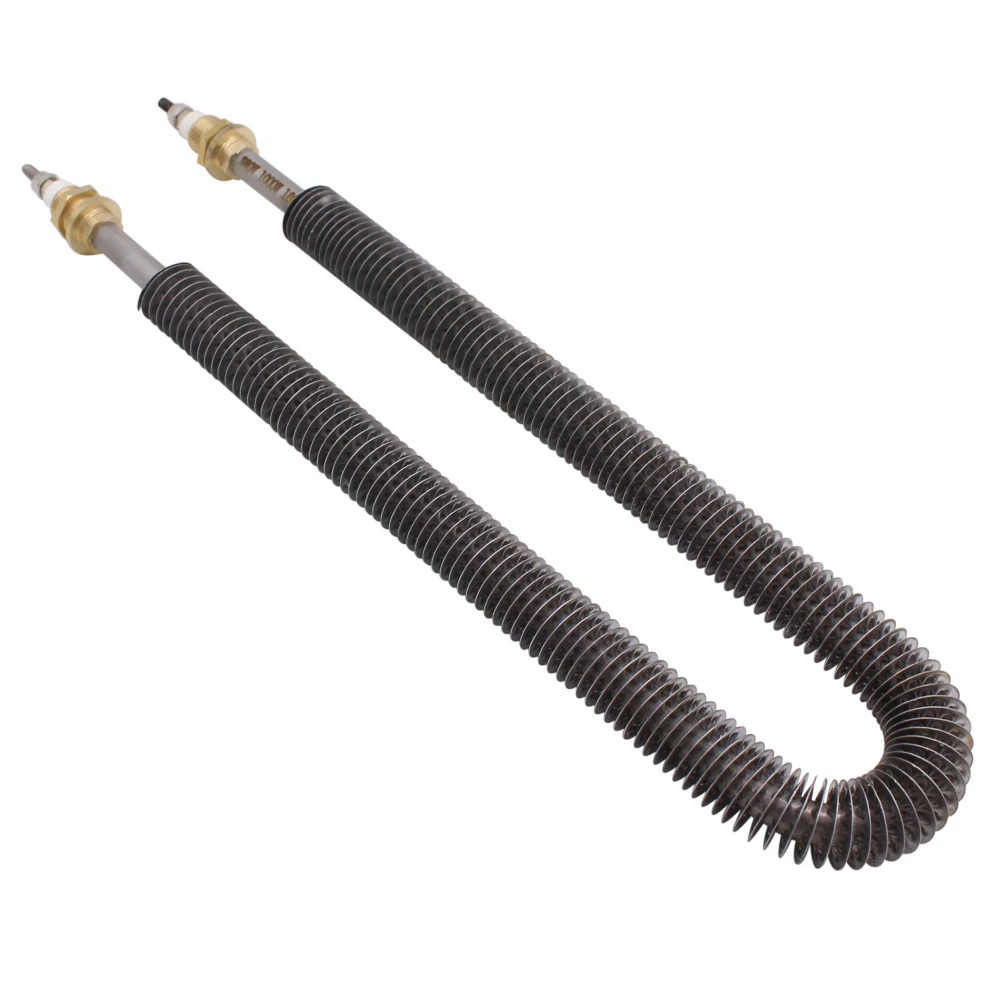
Fin Pitch and Airflow
Airflow is one of the most important factors when selecting fin pitch.
When air passes through a finned tubular heater, the fins increase the contact area between the hot heater and the moving air. At the same time, the fins also influence how easily air can pass through the heater.
If the fin spacing is too narrow, airflow resistance may become higher.
If the fin spacing is too wide, the heater may not make the most effective use of the available surface area.
Therefore, fin pitch should be selected together with the required airflow rate, air velocity, heating power, and available installation space.
How to Choose the Right Fin Pitch?
There is no universal fin pitch that works for every heating application.
When selecting the appropriate fin pitch, engineers should consider:
- Heating power – How much heat must be transferred?
- Airflow rate – How much air passes through the heater?
- Air velocity – How fast does the air move across the fins?
- Operating temperature – What is the required air outlet temperature?
- Pressure drop – How much airflow resistance can the system tolerate?
- Air quality – Is the air clean, dusty, or contaminated?
- Installation space – How much space is available for the heater?
For example, a compact air heating system with limited installation space may benefit from a tighter fin pitch to maximize the available heat transfer area. In contrast, a high-airflow industrial system may require a wider fin pitch to maintain sufficient airflow and control pressure drop.
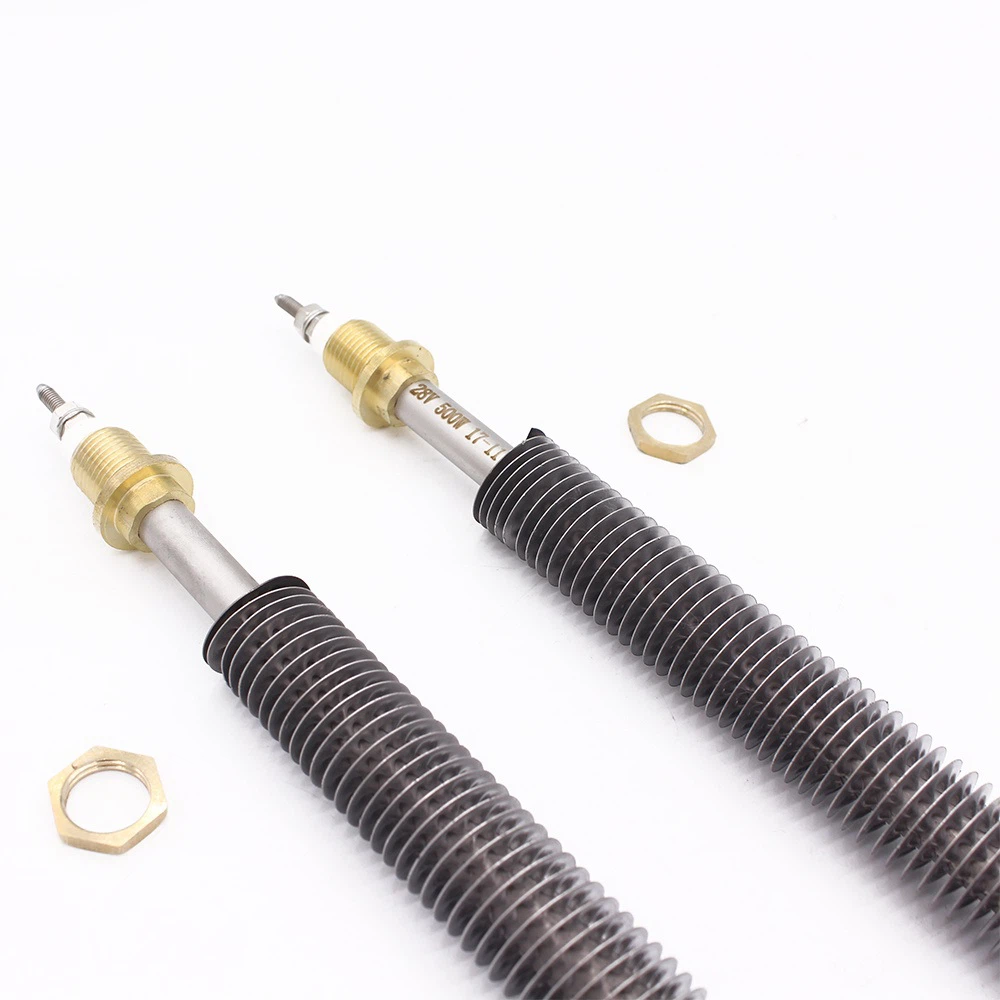
Custom Fin Pitch for Different Applications
Different heating systems have different requirements. A finned tubular heater used in an air duct may have different fin pitch requirements from one used in an industrial oven, HVAC system, or air circulation unit.
At JAYE Heater, finned tubular heaters can be customized according to specific application requirements, including heater shape, tube material, fin configuration, fin pitch, voltage, power, and installation dimensions.
By selecting the appropriate fin pitch and overall heater design, manufacturers can achieve a better balance between heat transfer efficiency, airflow performance, and service life.
Need a finned tubular heater designed for your application? Contact us with your heating requirements and installation dimensions.

One-stop Cosmetic Tube Factory in China
Need a finned tubular heater designed for your application? Contact us with your heating requirements and installation dimensions.