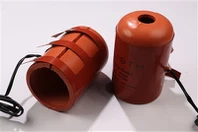
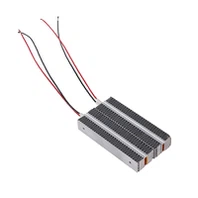
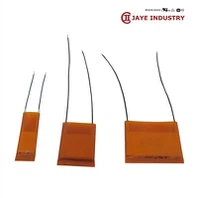
What Is PTC Self-Regulating Heating?
Positive Temperature Coefficient (PTC) refers to specialized heating materials engineered to increase their electrical resistance as their operating temperature rises.
Unlike conventional heating wires-which pull a constant current and get progressively hotter as long as power is applied-a PTC heater inherently limits its own thermal output. Once it reaches a predefined temperature threshold, the material automatically throttles its power draw. This self-regulating behavior allows the device to manage its own heat output dynamically, minimizing the need for complex external thermostats.
The Mechanics of Automatic Temperature Limiting
To appreciate how PTC elements regulate themselves, it helps to contrast them with standard heating mechanisms. Traditional components, like nichrome wire, generate heat via electrical resistance. Because their resistance remains relatively static regardless of temperature, they require independent thermal switches to prevent continuous, dangerous overheating.
PTC ceramics and polymers operate on an entirely different physical principle:
At ambient temperatures: The material's electrical resistance is exceptionally low, allowing current to flow freely and generating rapid heat.
As temperatures escalate: The internal resistance of the material spikes dramatically.
The balancing act: This sudden surge in resistance chokes off the electrical current, causing the heating power to drop proportionally.
Instead of experiencing a runaway thermal effect, the heater settles into a natural equilibrium, hovering right around its designed operating temperature.
The 4-Stage Heating Process
The operational cycle of a PTC component typically follows four distinct phases:
Initial Inrush (Rapid Start-Up): Upon powering up, the cold PTC material exhibits minimal resistance. A surge of current passes through the element, resulting in an exceptionally fast initial heat-up time.
Temperature Ascent: As the component warms, the crystalline structure of the PTC ceramic begins to shift, prompting a gradual increase in electrical resistance. The rate of heating begins to taper off.
The Resistance Jump (Curie Point): Once the material hits a specific thermal threshold-known in engineering as the Curie point-its resistance skyrockets. This exponential jump drastically restricts current flow and halts further temperature climbing.
Thermal Stabilization: The heater achieves a steady state. If ambient conditions cool down, the element's resistance drops, pulling more current to replace the lost heat. Conversely, if the environment warms up, resistance increases, and power output throttles back.

Key Advantages of PTC Technology
Inherent Safety: Because the elements physically cannot exceed their designed maximum temperature, the risks of thermal runaway, scorching, or electrical fires are virtually eliminated.
Dynamic Energy Efficiency: PTC heaters only draw maximum power when necessary. Once the target temperature is reached, energy consumption automatically plummets, cutting out the wasted electricity typical of traditional heaters.
Extended Component Lifespan: By avoiding the extreme thermal stress associated with constant overheating, internal materials degrade much slower, leading to a longer operational life.
Simplified System Architecture: In many low-to-medium heat applications, the self-limiting nature of the PTC material removes the need for intricate wiring, external sensors, and secondary control boards.
Common Industry Applications
The unique safety and efficiency profile of PTC technology makes it highly adaptable across multiple sectors:
Electric Vehicles (EVs): Crucial for cabin heating, battery thermal management, and defrosting systems, especially since EVs lack the waste heat generated by traditional combustion engines.
HVAC & Space Heating: Portable ceramic room heaters utilize PTC tech for rapid, safe warming without the fire hazards of exposed glowing coils.
Appliance Manufacturing: Integrated into hair dryers, clothes dryers, coffee makers, and food holding cabinets to maintain precise, gentle heat.
Infrastructure Protection: Widely deployed as heat-tracing cables to prevent pipes from freezing in harsh winter climates.
Industrial Enclosures: Used to prevent condensation build-up in electrical cabinets and maintain optimal operating temperatures for sensitive electronics.
Why the Market is Shifting Toward PTC
Modern engineering heavily prioritizes safety, energy conservation, and compact design. Traditional resistance heaters often require bulky shielding and redundant safety mechanisms to meet today's rigorous consumer and industrial standards.
PTC technology naturally fulfills these modern demands. By embedding the temperature control directly into the material's physics, manufacturers can design smaller, smarter, and infinitely safer heating systems. As the push for electrification accelerates-particularly in the automotive and smart-home sectors-the reliance on self-regulating thermal solutions is expanding rapidly.
Conclusion
PTC self-regulating heating represents a sophisticated leap in thermal engineering, driven by a simple law of physics: as temperature rises, resistance increases, which subsequently chokes the current and lowers heat output.
Through this continuous loop of self-correction, PTC components offer a safer, highly stable, and energy-conscious alternative to traditional resistive heating, securing their place as a foundational technology in modern thermal management.

One-stop PTC Factory in China
If you require heating elements, Jaye Heater-as a long-standing manufacturer of heating elements-will assist you with our team of professional technicians and sales personnel.