How Does a Silicone Rubber Drum Heater Help Heat Viscous Liquids?
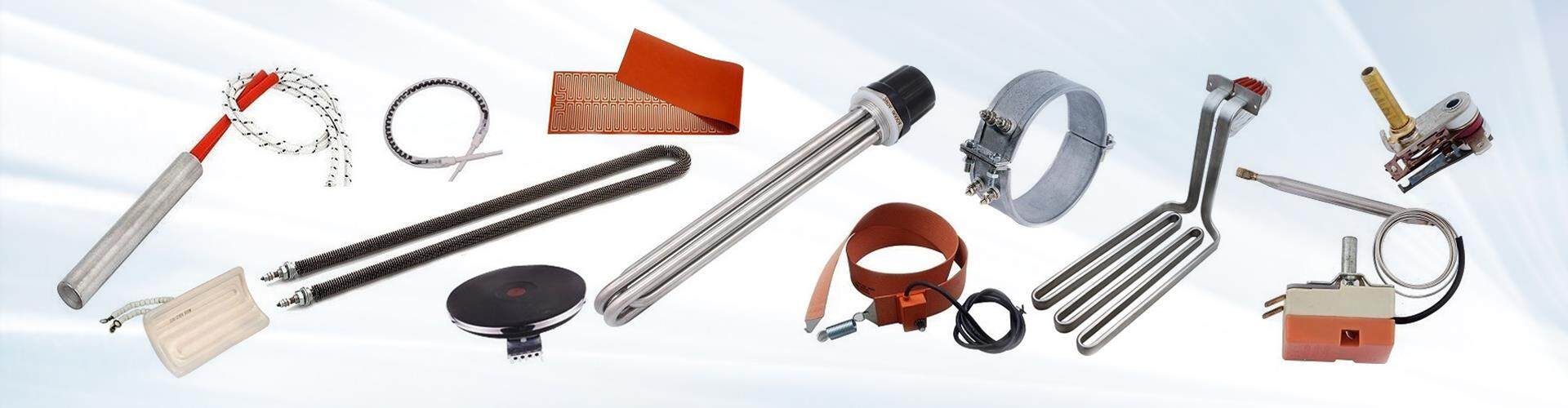
A silicone rubber drum heater is a flexible electric heating device designed to warm the contents of drums and other compatible containers. It is commonly used when oils, resins, adhesives, waxes, and other materials become too viscous to pump or dispense easily at low temperatures.
The heater wraps around the outside of a container and transfers heat through the container wall to the stored material. The correct heater size, power rating, temperature control, and mounting arrangement depend on the liquid properties and drum construction.

How Does a Drum Heater Work?
A typical silicone rubber drum heater contains an electrical resistance circuit enclosed in silicone rubber insulation. When powered, the heating circuit warms the drum wall, which transfers heat to the material inside.
Because heat must pass through the container wall and into the contents, heating time depends on the material's viscosity, volume, initial temperature, thermal properties, and insulation.
What Are the Advantages of Silicone Rubber Drum Heaters?
- Flexible construction: The heater can conform to compatible curved container surfaces.
- Localized heating: Heat is applied around the drum rather than requiring the entire storage area to be heated.
- Temperature control options: Depending on the design, a thermostat or temperature sensor can help manage heating.
- Convenient installation: Flexible heaters can be fitted around compatible drums without redesigning the entire storage system.
FAQ
1. Can a drum heater reduce liquid viscosity?
Yes, warming many liquids can reduce their viscosity. The actual effect depends on the material and its temperature-viscosity characteristics.
2. Can a drum heater be left on continuously?
Only if the specific heater and control system are designed for the intended duty cycle. Follow the manufacturer's operating instructions and temperature limits.
3. Does a drum heater need a thermostat?
Temperature control is often useful, particularly when the material has a maximum allowable temperature. The appropriate control method depends on the application.
4. Can one drum heater fit different drum sizes?
A heater should be matched to its specified container dimensions. A poor fit can reduce heat transfer or create uneven heating.