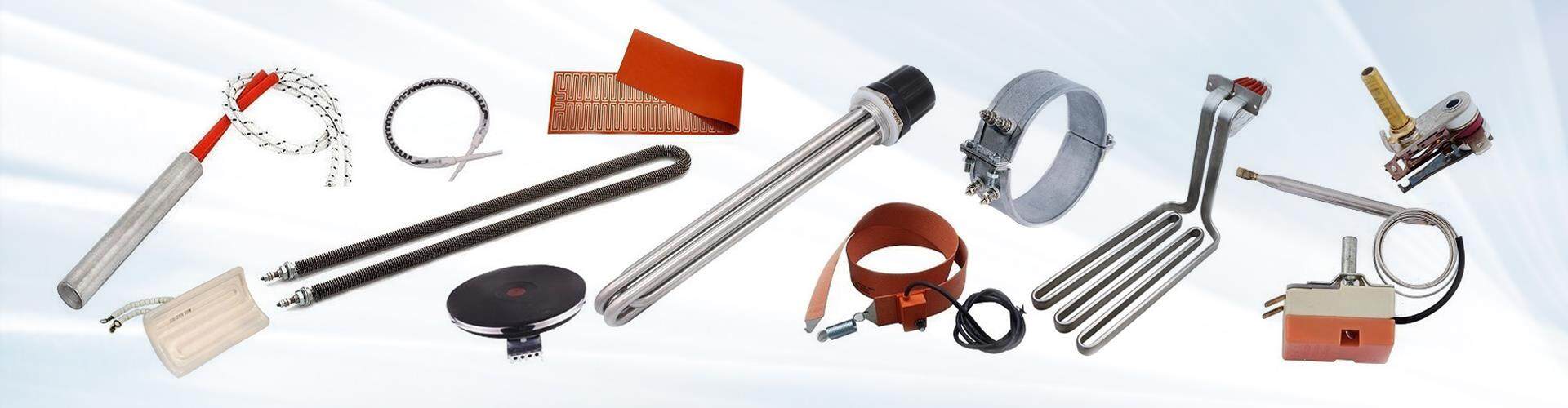
Silicone heaters are widely used in medical devices due to their flexibility, high durability, and precise heat control. They work by converting electrical energy into heat through resistive heating elements embedded within a flexible silicone material. Here's a breakdown of how they function:
Heat Generation: The silicone heater contains a heating element made of a resistive material, such as metal foil or wire, which is embedded within the silicone. When electrical current flows through the resistive element, it encounters resistance, causing it to heat up.
Even Heat Distribution: The flexible silicone material evenly distributes the generated heat across the surface of the heater, ensuring uniform temperature control. This is especially important in medical devices where consistent heating is required.

Precise Temperature Control: Silicone heaters can be integrated with thermostats or temperature sensors to precisely regulate the temperature. This is crucial for applications like medical therapy, incubators, or heating pads, where exact temperature regulation is necessary for patient safety.
Biocompatibility: The silicone material is chemically inert and hypoallergenic, making it safe for use in medical environments. This ensures that there are no adverse reactions with the skin or other materials.

Flexibility and Conformability: The soft and flexible nature of silicone allows the heaters to conform to the contours of different medical devices or body parts, providing targeted heating without discomfort.
Efficiency and Safety: Silicone heaters are energy-efficient, quickly reaching desired temperatures, and are designed to be safe, with features such as over-temperature protection to prevent overheating, making them ideal for medical applications.
Applications in medical devices include patient warming systems, respiratory equipment, wound care, and sterilization units. These heaters are especially valuable in devices that require controlled, consistent heat without the bulk or rigidity of traditional heating elements.