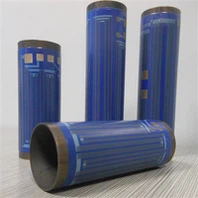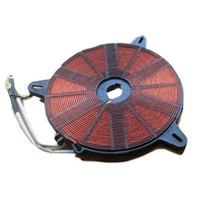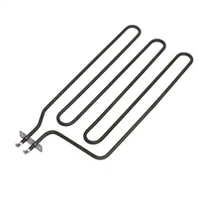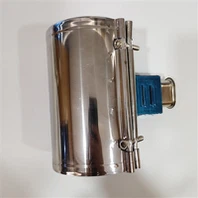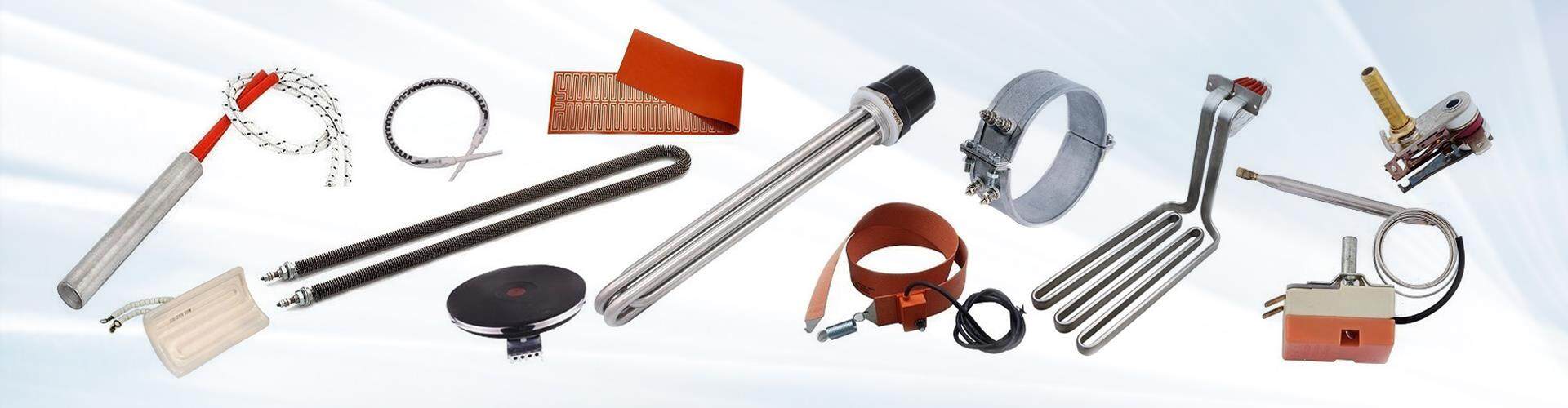
Tesla primarily uses Positive Temperature Coefficient (PTC) heaters for seat heating because they have some unique safety advantages related to children and child-safe surface temperatures.

Here's why:
1. Self-Regulating Temperature (No Overheating Risk)
Since the resistance of PTC heaters increases with temperature, there is a limit to the temperature that can safely be reached. Conventional resistive heaters can be extremely hot, unattended, but PTC elements will stabilize at a maximum temperature, greatly reducing the possibility of burns severely, especially for children.
2. Lower Peak Surface Temperatures
Tesla allows their seat heaters to reach limited above temperatures (often less than 50°C/122°F for prolonged contact) so that they do not cause harm to occupants that will contact the objects. PTC technology allows for consistent warmth without potential harmful spikes while complying with car safety regulations for children occupants.
3. Energy Efficiency & Reliability
PTC heaters are less demanding in current as they warm up, which increases efficiency of their application. Using PTC technology allows Tesla to optimize battery use while allowing comfort to all passengers.
4. Compliance with Safety Regulations
Automakers are subject to rigid standards (FMVSS, ISO 13732-1) for surface temperatures. PTC heaters allow Tesla to comply, and avoid too much heat in the seat, even if a child (or pet) is on the seat long enough to reach high surface temperature.
Conclusion:
With safety, efficiency, and comfort being three key components to family-friendliness in EVs, Tesla focused on PTC (Positive Temperature Coefficient) seat heaters. Harnessing a self-limiting technology that teaches burn risk into the HEAT itself, PTC seat heaters have been a great solution for keeping surface temperatures hot enough to comfortable while still being safe for a child without the added costs of complex control systems.