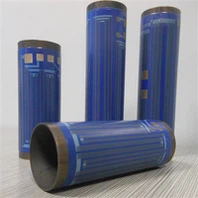
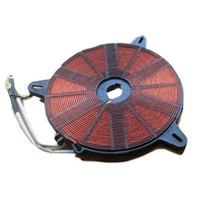
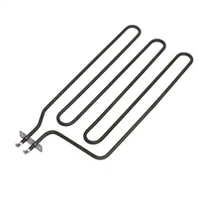
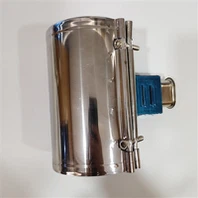
The bobbin heater is exceptionally well-suited for die casting machines because it is engineered to solve the precise thermal challenges presented by this harsh, high-temperature process. Its suitability stems from a perfect match between its design characteristics and the machine's requirements.
Here's a detailed breakdown of why bobbin heaters are the ideal choice:
1. Exceptional Heat Transfer via Direct Contact
- The Challenge: Die casting involves managing the heat of molten metal (e.g., zinc, aluminum, magnesium). Key components like the nozzle, gooseneck, and die must be maintained at a precise, high temperature to prevent the metal from solidifying prematurely inside the channels, which would cause costly clogs and production stops.
- The Solution: Bobbin heaters are contact heaters. They are designed to be inserted into drilled holes or mounted directly against the flat surfaces of these massive metal components.
Their solid, die-cast aluminum or copper shell ensures maximum surface area contact with the machine part.
Heat is transferred conductively-the most efficient method-directly into the metal mass, ensuring rapid and uniform heating exactly where it's needed.

2. High Power Density and Temperature Capability
- The Challenge: The components in a die casting machine are typically large blocks of steel or brass with high thermal mass. They require a significant amount of energy to reach and maintain operational temperatures (often between 400°C - 700°C / 750°F - 1300°F).
- The Solution: Bobbin heaters are designed for very high power density (Watts per square inch). Their robust construction allows them to operate at high surface temperatures without degrading, delivering a large amount of heat from a relatively compact unit. This is crucial for bringing cold machines up to temperature efficiently and maintaining stability during operation.

3. Robustness and Durability in a Harsh Environment
The Challenge: The die casting environment is brutal. It involves:
- Physical Impact: Vibration from the machine cycle and potential knocks from tools.
- High Temperature: Consistent exposure to intense heat.
- Spills and Corrosion: Exposure to molten metal splatter, lubricants, and release agents.
The Solution:
- Solid Metal Construction: The die-cast metal shell makes the bobbin heater extremely rugged and resistant to physical damage and vibration, unlike fragile ceramic or mica-band heaters.
- Resistant Shell: Aluminum or copper shells are highly resistant to the types of corrosion and physical wear found in a die casting shop.
- No Exposed Elements: The internal heating element is completely sealed within the metal shell, protecting it from moisture, chemical spills, and short circuits caused by metal splatter.

4. Precise and Localized Temperature Control
- The Challenge: Different zones of the machine (e.g., the tip of the nozzle vs. the body) may require different temperatures for optimal metal flow. Precise control is vital for part quality and preventing defects.
- The Solution: Bobbin heaters can be strategically placed in multiple zones on a single machine. Because they heat the metal mass directly and efficiently, thermocouples can provide accurate feedback to the control system, which can then adjust power to each bobbin heater individually. This allows for extremely precise thermal management of the entire molten metal pathway.

5. Long Service Life and Reliability
- The Challenge: Unplanned downtime in a die casting operation is incredibly expensive. Heaters must be reliable and have a long lifespan.
- The Solution: When properly sized and installed, bobbin heaters operate within their design parameters. The high-quality materials and efficient heat transfer prevent localized hot spots that are the primary cause of premature element failure. Their rugged build simply lasts longer under constant cycling and physical stress.

Conclusion:
In summary, the bobbin heater is suitable for die casting machines because it is a high-performance, heavy-duty workhorse designed for efficient conductive heating. Its robustness, high power density, and ability to provide precise, reliable temperature control in an incredibly harsh industrial environment make it an indispensable component for ensuring productivity and quality in the die casting process.