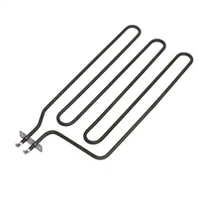
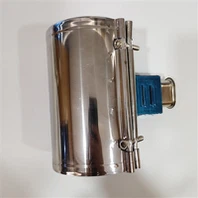
Finned heaters, recognized for their effectiveness in heat transfer, owe much of their efficiency to the design and materials used in the fins. The fins, which enhance the surface area for improved thermal exchange, are crafted from various materials to suit diverse applications. In this article, we explore the types of materials commonly used to manufacture the fins of finned heaters and the considerations that drive these material choices.
1. Aluminum:
Aluminum stands out as one of the most popular materials for crafting fins in finned heaters. Known for its excellent thermal conductivity, lightweight nature, and corrosion resistance, aluminum fins facilitate rapid and efficient heat transfer. This makes them ideal for applications where quick response times and energy efficiency are crucial.
2. Copper:
Copper is another material frequently employed for fin construction in high-performance finned heaters. It boasts exceptional thermal conductivity, surpassing that of aluminum. This makes copper fins particularly suitable for applications requiring rapid and precise temperature control.
3. Stainless Steel:
Stainless steel fins are chosen for their corrosion resistance and durability. In industries where exposure to harsh chemicals or extreme environmental conditions is prevalent, stainless steel ensures the longevity of finned heaters. While not as thermally conductive as aluminum or copper, stainless steel provides a balance between performance and resilience.

4. Carbon Steel:
Carbon steel fins are favored for their cost-effectiveness and suitability for less demanding applications. Although not as corrosion-resistant as stainless steel, carbon steel fins offer durability and thermal efficiency in environments where corrosive elements are not a primary concern.
5. Titanium:
In industries with stringent corrosion resistance requirements, such as chemical processing and marine applications, titanium fins are a viable choice. Titanium is highly resistant to corrosion and maintains its integrity in aggressive chemical environments. However, its use may be limited by cost considerations.
6. Incoloy:
Incoloy, a high-performance nickel-chromium alloy, finds application in finned heaters that operate in elevated temperatures. It offers excellent resistance to oxidation and corrosion, making it suitable for demanding industrial processes, including heat treatment applications.
7. Inconel:
Inconel, a family of nickel-chromium superalloys, is utilized in finned heaters exposed to extreme temperatures and aggressive environments. Inconel fins provide exceptional strength and resistance to oxidation and corrosion, making them well-suited for applications in aerospace, chemical processing, and power generation.
Considerations for Material Selection:
The choice of fin material is influenced by various factors, including the intended application, environmental conditions, budget constraints, and desired thermal performance. Here are some key considerations:
- Thermal Conductivity: The material's ability to conduct heat efficiently is a critical factor in determining its suitability for fin construction.
- Corrosion Resistance: In environments where corrosion is a concern, selecting a corrosion-resistant material is essential for the longevity of the finned heater.
- Cost: The budget constraints of a project may influence the choice of fin material, with more expensive alloys often providing enhanced performance characteristics.
- Weight: Depending on the application, the weight of the finned heater may be a consideration, especially in aerospace or portable heating equipment.
- Temperature Resistance: For applications involving high temperatures, the material must withstand thermal stresses and maintain structural integrity.
Know More about Finned Heaters
In conclusion, the material selection for fins in finned heaters is a crucial aspect of optimizing their performance and longevity. Engineers and designers carefully weigh the trade-offs between thermal conductivity, corrosion resistance, cost, and other factors to ensure that the chosen material aligns with the specific requirements of each application. As technology advances, innovations in material science continue to expand the range of options, providing tailored solutions for diverse industries.