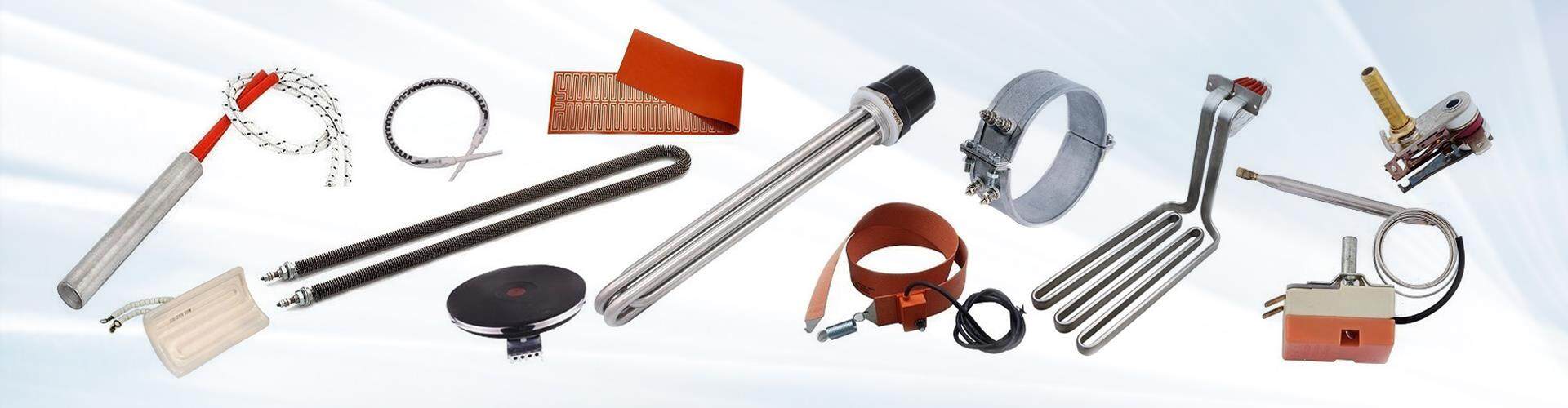
KSD thermostats play a crucial role in temperature regulation and safety protection in electric heaters. They ensure efficient operation while preventing overheating hazards. Here's how they function:

1. Temperature Control
KSD thermostats monitor and regulate the heater's temperature by automatically switching the circuit on and off:
When the temperature reaches a preset limit, the thermostat opens the circuit, cutting off power to the heating element.
Once the temperature drops below the threshold, the thermostat closes the circuit, allowing the heater to resume operation.
2. Overheat Protection
In addition to temperature regulation, KSD thermostats act as a safety cut-off mechanism:
If the heater exceeds a safe temperature, the thermostat disconnects power to prevent overheating and potential fire hazards.
Some models are self-resetting, while others require manual reset after activation.
3. Applications in Different Heater Types
KSD thermostats are widely used in various electric heaters, including:
Fan Heaters – Control airflow temperature and prevent overheating.
Oil-Filled Radiators – Maintain stable heating and prevent excessive oil temperature.
PTC Ceramic Heaters – Work alongside PTC elements for enhanced temperature regulation.
Infrared Heaters – Ensure consistent heat output and safety.
Common KSD Thermostat Models for Electric Heaters
KSD301: Snap-action thermostat for temperature control and overheat protection.
KSD201: Manual reset type for high-power heaters requiring extra safety measures.
By integrating KSD thermostats, electric heaters achieve precise temperature management, improved safety, and enhanced durability, making them essential components in modern heating solutions.