What is the optimal design for a thick film heater for a specific application?
The optimal design for a thick film heater depends on the specific application requirements, including the heating requirements, operating environment, size constraints, and budget considerations. Here are some key factors to consider when designing a thick film heater for a specific application:
Heating Requirements:
Temperature Range: Determine the required operating temperature range. Some applications require high temperatures, while others need precise low-temperature heating.
Heating Rate: Consider how quickly the heater needs to reach the desired temperature.
Heat Output: Calculate the amount of heat (in watts) required to achieve the desired temperature within the specified time frame.
Material Selection:
Substrate Material: Choose a substrate material compatible with the application environment (e.g., ceramic substrates are common for their thermal stability).
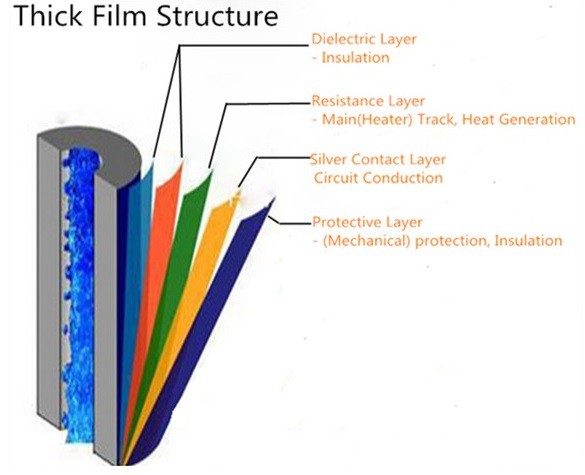
Thick Film Paste: Select an appropriate thick film paste composition based on the application requirements. Different materials offer varying electrical and thermal properties.
Design Parameters:
Thickness: Determine the optimal thickness of the thick film layer. Thicker films generally provide higher power output but may have slower response times.
Pattern Design: Design the layout of the thick film traces to ensure uniform heating across the surface. Consider the pattern density and arrangement.
Voltage and Current Ratings: Calculate the suitable voltage and current ratings to achieve the desired power output without compromising safety or durability.