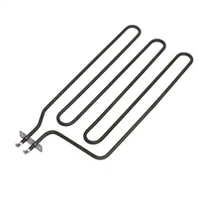
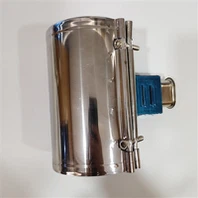
The lifespan of Mica heating elements can vary depending on several factors, including the operating conditions, usage patterns, and maintenance practices. Generally, Mica heating elements are known for their durability and longevity, but the actual lifespan can be influenced by the following factors:
1. Operating Temperature: The temperature at which the Mica heating element operates plays a significant role in determining its lifespan. Prolonged exposure to high temperatures can accelerate wear and reduce the element's longevity.
2. Duty Cycle: The frequency and duration of heating element use, known as the duty cycle, can impact its lifespan. Elements that are frequently turned on and off may experience more thermal stress than those in continuous operation.
3. Maintenance: Proper maintenance practices, such as regular cleaning and inspection, can contribute to a longer lifespan. Accumulation of contaminants or foreign materials on the Mica surface can affect its performance over time.
4. Material Quality: The quality of the Mica material used in the heating element can influence its lifespan. High-quality Mica with good insulation properties and resistance to degradation will contribute to a longer-lasting element.
5. Mechanical Stress: The mechanical stress on the heating element, such as bending or flexing, can impact its durability. Care should be taken during installation and use to minimize mechanical stress on the Mica.
When comparing the lifespan of Mica heating elements to other heating element materials, it's essential to consider the specific application requirements. Different materials have their advantages and limitations. Here are a few comparisons:
1. Nichrome Wire: Nichrome heating elements are commonly used and have a good lifespan. They are durable and can withstand high temperatures. However, they may be more susceptible to oxidation in certain conditions.
2. Ceramic Heating Elements: Ceramic heating elements are known for their durability and resistance to high temperatures. They can have a long lifespan and are often used in industrial applications.
3. Kanthal Wire: Kanthal is a brand of iron-chromium-aluminum alloy used for heating elements. It is known for its high-temperature resistance and can offer a long lifespan.
4. Tungsten: Tungsten heating elements are suitable for extremely high-temperature applications. They have a long lifespan but are often more expensive.
Ultimately, the choice of heating element material depends on the specific requirements of the application, including temperature range, durability, and cost considerations. It's recommended to consult with heating element manufacturers to determine the most suitable material for a particular application and to ensure proper installation and maintenance practices to maximize the lifespan of the heating element.