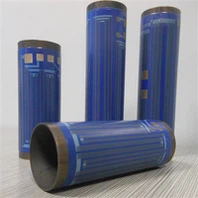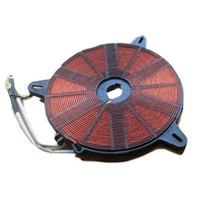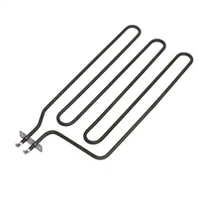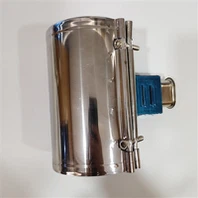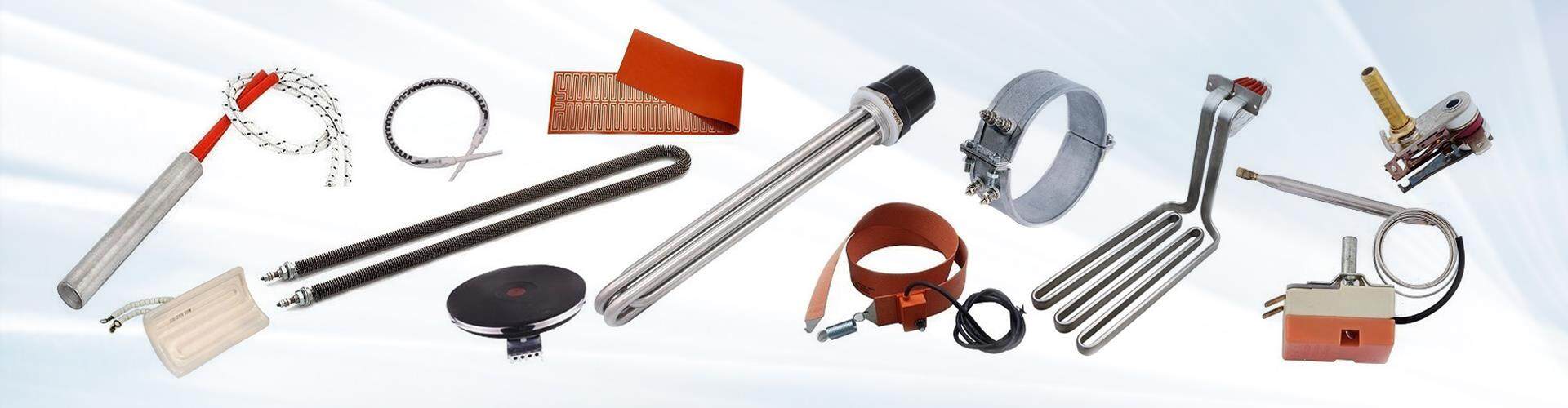
Silicone rubber heaters are flexible and lightweight heating elements that are made by placing resistance heating wires in a base of silicone rubber. These heaters are commonly used in various applications where quick and efficient heating is required. They work by converting electrical energy into heat energy, which is then distributed uniformly across the surface of the heater.

The construction of silicone rubber heaters is simple yet effective. The heating element is placed between two layers of silicone rubber, which acts as an insulator. The wire is wound in a serpentine or spiral shape to ensure even heat distribution. The silicone rubber material is highly resistant to heat and chemical exposure, making it ideal for use in environments where flexibility and durability are key.
When the silicone rubber heater is connected to an electrical circuit, it produces heat that is distributed evenly across the entire surface area of the heater. This means that there are no hot spots or cold spots, and the heat is consistent and uniform. The heat can be adjusted by controlling the electrical current flowing through the heater.
Silicone rubber heaters have many advantages over other types of heaters. They are lightweight, flexible, and can be easily molded to fit various shapes and sizes. They have a fast heating response time, which makes them ideal for applications where quick heating is required. They are also energy efficient, as they can heat targeted areas without having to heat an entire room or space.
Overall, silicone rubber heaters are an effective and reliable way to provide heat in a wide range of applications. From medical devices to aerospace technology, they can be used in almost any industry where heat is required.