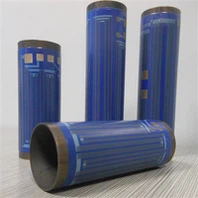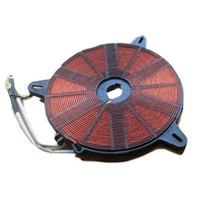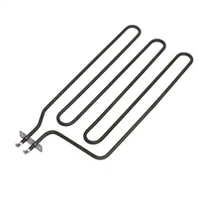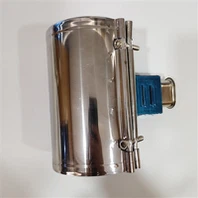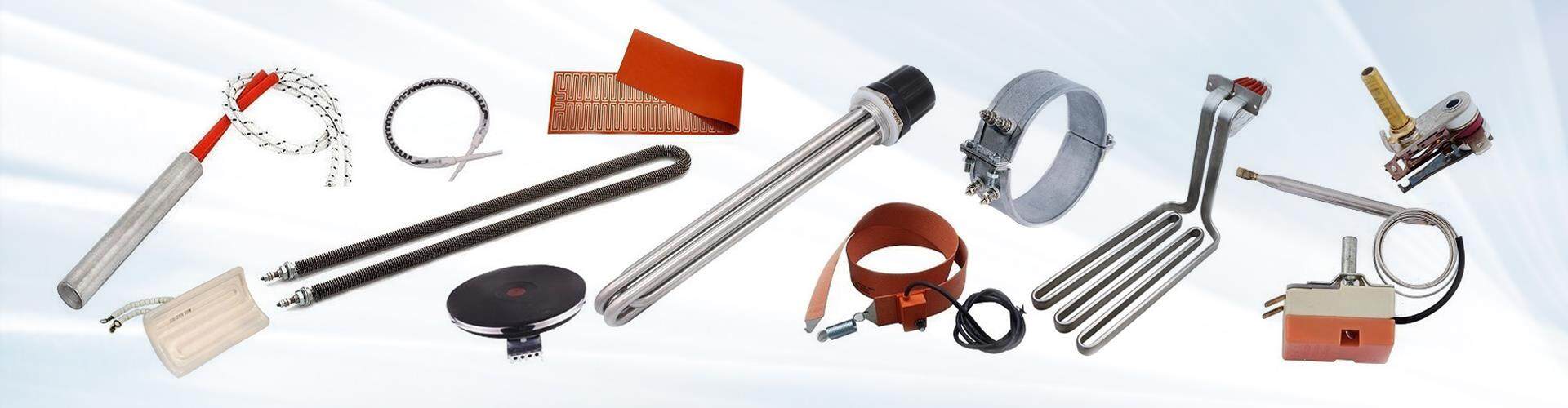
A Mica heating element is a type of electrical resistance heater that uses Mica as an insulating material. Mica is a mineral with excellent dielectric strength, thermal conductivity, and heat resistance properties, making it ideal for applications where high temperatures and electrical insulation are required.
Here's how a Mica heating element works:
1. Construction: A Mica heating element typically consists of a resistance wire, such as nickel-chrome (nichrome), which is wound around a core made of Mica sheets. The Mica sheets provide electrical insulation and support for the resistance wire.
2. Electrical Current Flow: When an electrical current is passed through the resistance wire, it encounters resistance, causing the wire to heat up. This resistance to the flow of electricity generates heat energy.
3. Heat Generation: The heat generated by the resistance wire is transferred to the surrounding area through conduction. Mica's excellent thermal conductivity allows the heat to spread evenly across the surface of the element.
4. Application: Mica heating elements are used in various applications, including but not limited to, space heaters, toasters, hair dryers, industrial ovens, and other heating devices. They are valued for their ability to provide consistent and reliable heat in a compact and efficient manner.
5. Temperature Control: The temperature of the Mica heating element can be controlled by regulating the electrical current passing through the resistance wire. This control allows for precise temperature management in applications where specific heating requirements are necessary.
Overall, Mica heating elements are preferred in many applications due to their durability, energy efficiency, and ability to withstand high temperatures. They are widely used in both industrial and domestic settings for their effectiveness in providing reliable and uniform heat.