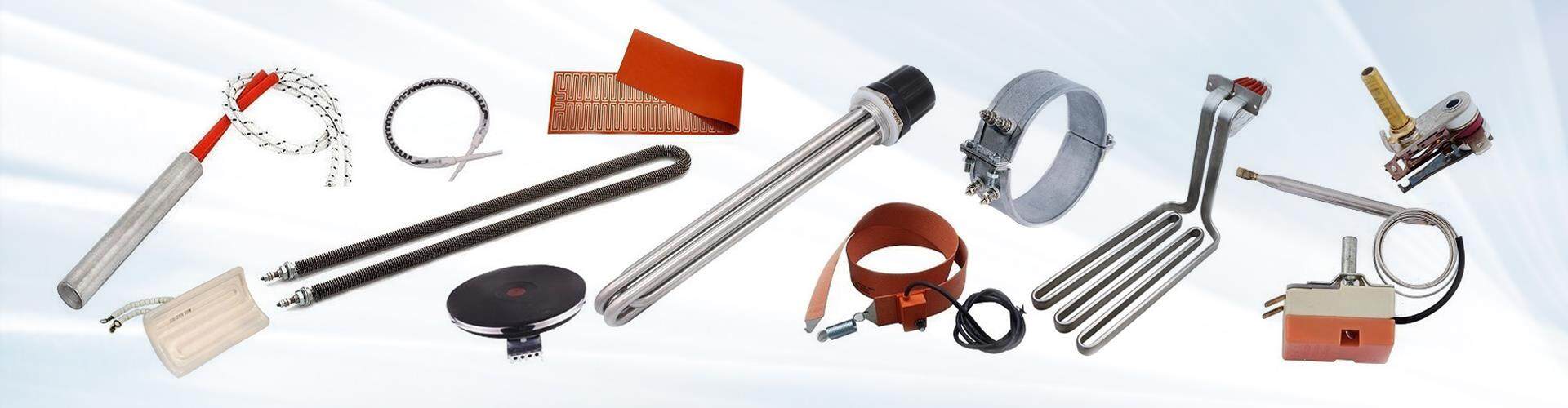
The lifespan of a ceramic infrared heater depends on several factors, including design, usage, and maintenance. Here are the key factors that influence its longevity:
1. Quality of Materials & Construction
High-quality ceramic elements and durable heating coils last longer.
Robust housing and proper insulation prevent overheating and damage.

2. Operating Temperature & Duty Cycle
Continuous high-temperature use degrades the heater faster.
Intermittent use with proper cooling periods extends lifespan.
3. Electrical Stability
Voltage fluctuations and power surges can damage heating elements.
Using a surge protector or voltage regulator helps.
4. Environmental Conditions
Exposure to moisture, dust, or corrosive gases can shorten lifespan.
Clean, dry environments with good ventilation are ideal.
5. Maintenance & Cleaning
Dust and debris buildup can cause overheating.
Regular cleaning (when unplugged) improves efficiency and longevity.
6. Proper Installation & Ventilation
Adequate airflow prevents overheating.
Incorrect mounting (e.g., too close to walls) can cause heat stress.
7. Usage Patterns
Frequent on/off cycling may wear out components faster.
Consistent, moderate use is better than extreme cycling.
8. Manufacturer Design & Protection Features
Overheat protection and thermal fuses prevent damage.
Quality brands often have better engineering for longevity.
Average Lifespan
Well-maintained ceramic infrared heaters typically last 5,000 to 10,000 hours of use.
Higher-end models may exceed this, while poor-quality heaters may fail sooner.
Tips to Extend Lifespan
Use a thermostat to avoid constant high heat.
Keep the heater clean and free of obstructions.
Avoid exposure to liquids or excessive humidity.