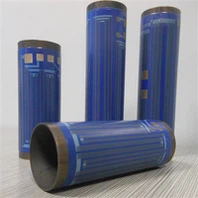
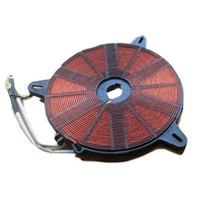
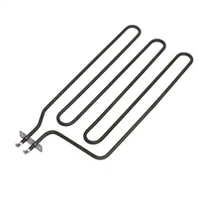
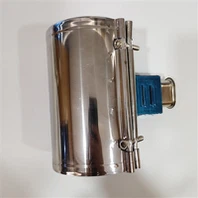
Thick film heaters are widely used in various applications, such as in automotive, aerospace, medical, and consumer electronics, due to their versatility and efficiency. Several factors can affect the efficiency and performance of thick film heaters:
1. Substrate Material: The material on which the thick film heater is deposited affects its performance. Different materials have different thermal conductivities, which can impact the efficiency of heat transfer.
2. Thick Film Composition: The composition of the thick film, including the types of conductive and resistive materials used, can significantly affect the heater's efficiency. Silver and gold are commonly used conductive materials due to their high conductivity.
3. Film Thickness: The thickness of the thick film layer can impact the heater's resistance and, consequently, its efficiency. Thicker films may have higher resistance, leading to higher power consumption.
4. Temperature Range: The operating temperature range of the thick film heater affects its efficiency. Some materials and designs are better suited for high-temperature applications, while others are optimized for low-temperature use.
5. Design and Pattern: The design of the thick film pattern, including its shape and layout, can impact heat distribution. Optimized designs ensure even heat distribution and prevent hot spots.
6. Contact Materials: The materials used for electrical contacts and terminals can affect the overall performance and reliability of the thick film heater. Proper contact materials ensure good electrical conductivity and prevent corrosion.
7. Thermal Insulation: Adequate insulation around the thick film heater prevents heat loss to the surroundings, ensuring more efficient heating.
8. Environmental Factors: The environment in which the thick film heater operates, including humidity, corrosive substances, and mechanical stress, can impact its long-term performance and efficiency.
9. Power Supply: The voltage and current supplied to the thick film heater should match its specifications. Variations from the intended power supply can affect the heater's performance and efficiency.
10. Manufacturing Process: The manufacturing process, including printing techniques and curing methods, can influence the quality and consistency of the thick film heater, thereby affecting its efficiency and performance.
11. Thermal Management: Adequate heat sinking and thermal management techniques ensure that the thick film heater operates within its optimal temperature range, maximizing efficiency and lifespan.
12. Control and Regulation: The efficiency of thick film heaters can be improved by using proper control systems and feedback mechanisms. This ensures that the heater operates at the desired temperature with minimal energy wastage.
Optimizing these factors according to the specific application requirements is crucial for ensuring the efficiency and performance of thick film heaters.