Heating elements in drones are primarily used to keep the drone's battery, sensors, and other critical components at optimal operating temperatures, especially in cold environments. These elements ensure that the drone functions reliably, even in extreme temperatures. Common heating elements used in drones include:
The choice of heating element depends on the size of the drone, the operating environment, and specific performance requirements. Drones used in cold climates or at high altitudes benefit significantly from these heating solutions to ensure efficient operation.
Lightweight and Compact Design: Heating elements like flexible silicone and thin film heaters are designed to be lightweight and thin, minimizing any impact on the drone's performance and flight.
Flexibility and Customization: These elements can be easily shaped and customized to fit different drone components, ensuring effective integration and optimal heating coverage.
Efficient and Safe Heating: They provide quick and uniform heat distribution while maintaining energy efficiency, with self-regulating features to prevent overheating.

These are thin, lightweight, and flexible heaters that can be attached to various drone components. They are efficient at maintaining the temperature of batteries and other sensitive parts.
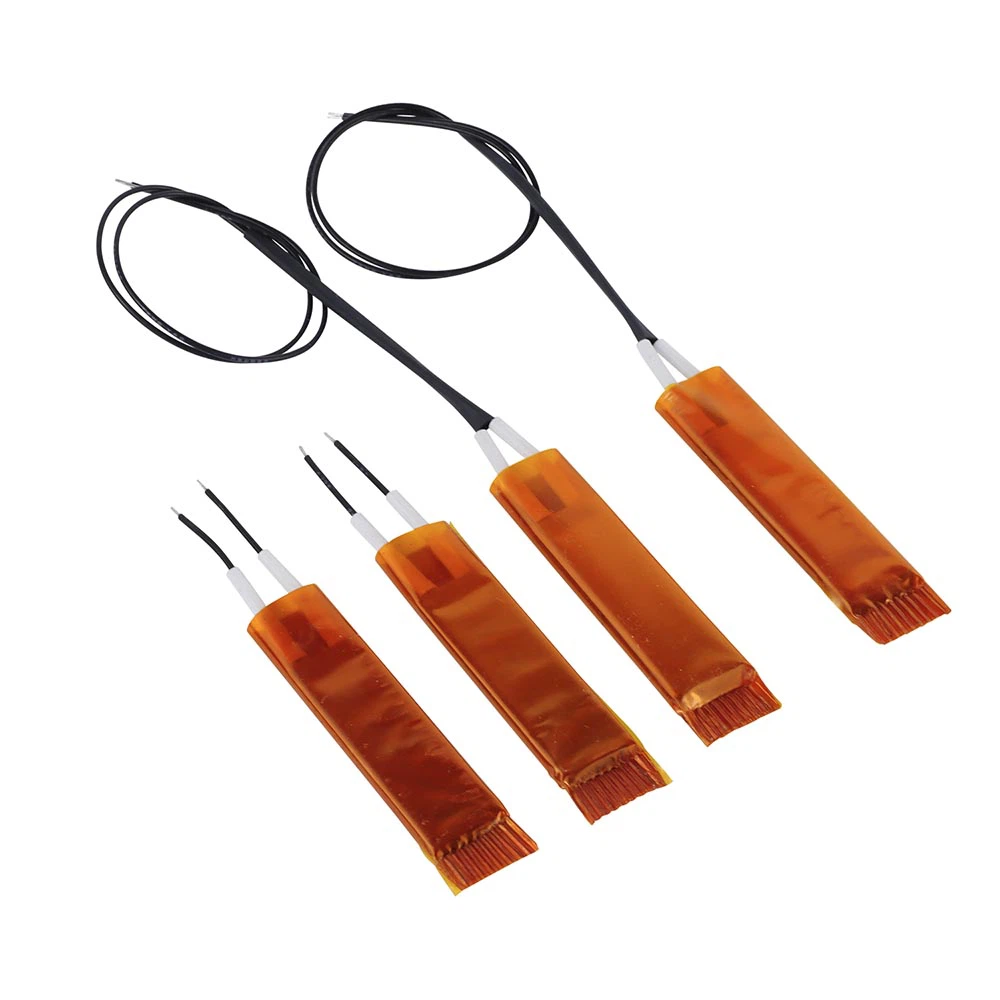
PTC heaters self-regulate their temperature, making them ideal for maintaining a consistent heat level without the risk of overheating. They're often used in battery compartments to ensure stable performance.
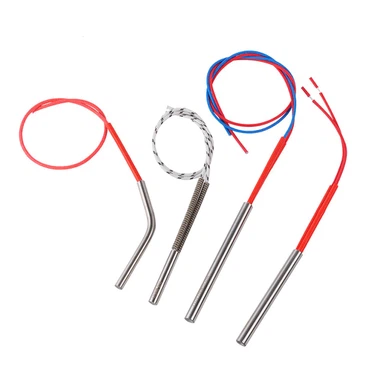
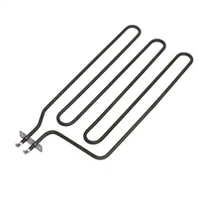
These heaters are small, tubular elements that can be embedded in metal or other materials. They are less common in drones due to their size but can be used in larger industrial or military drones.
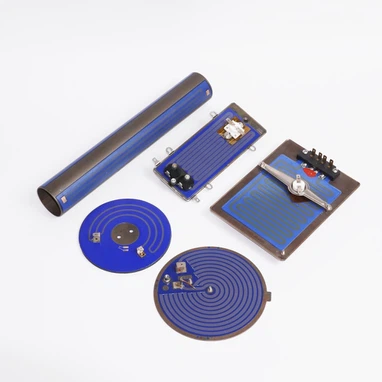
These heaters are lightweight and provide even heat distribution. They're well-suited for small drones, as they can be easily integrated into the design without adding much weight.