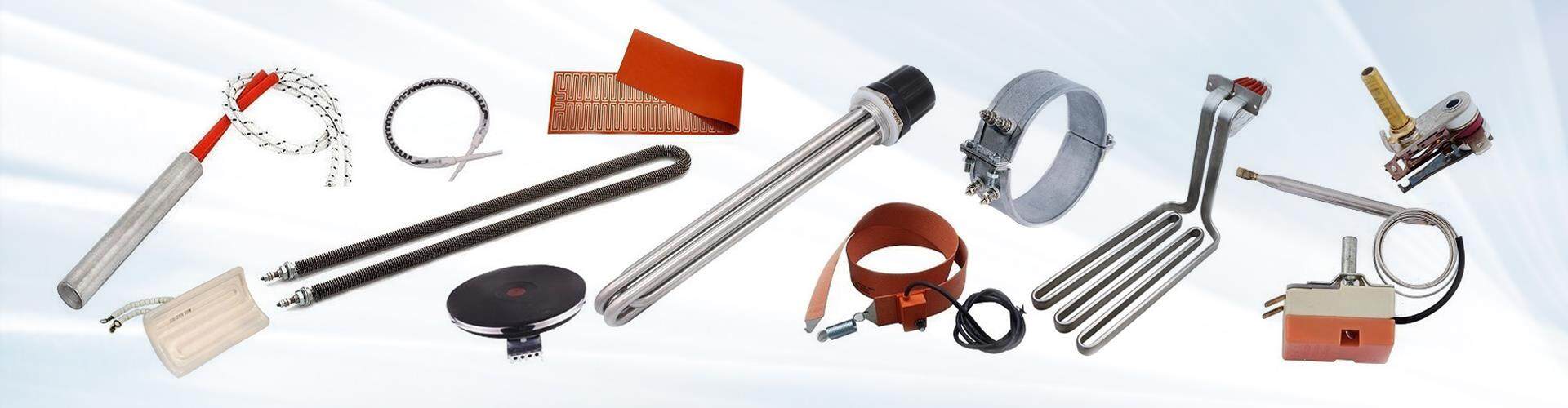
Silicone rubber heaters are generally reliable and long-lasting, but there are some common problems that can occur. Here are a few examples of common problems and troubleshooting tips:

- Heater not heating: If the silicone rubber heater is not heating, check the electrical connections to ensure that they are secure and that power is being supplied to the heater. If the electrical connections are okay, check the heater for damage, such as cuts or punctures that may be causing a short circuit. Also, check the thermostat or temperature controller to ensure that it is functioning properly.
- Uneven heating: If the silicone rubber heater is heating unevenly, check for any hot spots or cold areas on the surface of the heater. This may be caused by a damaged or defective heater element or an uneven distribution of heat. In some cases, it may be necessary to adjust the placement or design of the heater to improve the distribution of heat.
- Overheating: If the silicone rubber heater is overheating, check the thermostat or temperature controller to ensure that it is functioning properly and that the temperature is not set too high. Also, check for any damage to the heater or any blockages that may be causing the heater to overheat.
- Damage to the silicone rubber: If the silicone rubber covering of the heater is damaged, it may need to be replaced. This can be caused by a variety of factors, such as physical damage, exposure to chemicals, or age-related wear and tear.
- Malfunctioning thermostat: If the thermostat or temperature controller is not functioning properly, it may need to be recalibrated or replaced. This can cause the heater to operate at the wrong temperature or not to turn on or off as expected.
In general, the best way to troubleshoot any problems with silicone rubber heaters is to maintain the heater and regularly inspect it for any signs of damage or wear, or if you have any more questions and doubt, you can also just contact Jaye Heater Technology by Email: info@jaye-heater.com