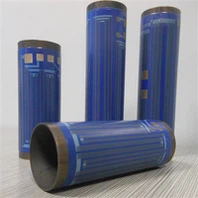
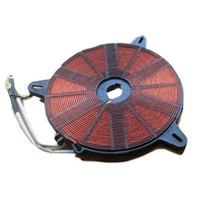
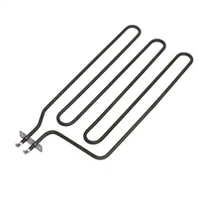
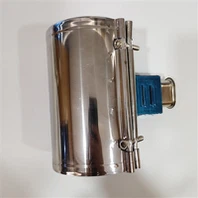
Thick film heaters offer several benefits over traditional copper water heating elements, making them an attractive choice in various applications. Here are the key advantages:
- Faster Heating: Thick film heaters typically have a lower thermal mass, allowing them to heat up more quickly than traditional copper elements. This leads to reduced warm-up times and more efficient energy use.
- Energy Efficiency: Due to their rapid heating capabilities and precise control, thick film heaters can achieve higher energy efficiency. They can maintain the desired temperature more consistently, reducing energy waste.
- Compact and Lightweight: Thick film heaters are often thinner and lighter than copper heating elements. This makes them suitable for applications where space is limited or where weight reduction is crucial.
- Uniform Heat Distribution: The design of thick film heaters allows for even distribution of heat over the surface, minimizing hot spots and ensuring uniform heating. This can enhance the performance and longevity of the heater and the system it is integrated into.
- Corrosion Resistance: Unlike copper elements, which can be susceptible to corrosion over time, thick film heaters are typically made with materials that are more resistant to corrosion. This can extend the lifespan of the heater, especially in harsh environments or with corrosive fluids.
- Design Flexibility: Thick film heaters can be manufactured in various shapes and sizes, providing greater design flexibility. This allows them to be tailored to specific applications and integrated into complex geometries.
- Durability and Longevity: The materials and construction methods used in thick film heaters generally result in a robust and durable product. They can withstand thermal cycling and mechanical stress better than traditional copper elements.

- Improved Safety: Many thick film heaters have built-in safety features such as overheat protection and thermal cutoffs. Their lower operating temperatures can also reduce the risk of burns or other hazards associated with high-temperature heating elements.
- Ease of Integration: The thin and flexible nature of thick film heaters makes them easier to integrate into modern electronic systems and appliances. They can be applied directly to surfaces, reducing the need for complex mounting hardware.
- Reduced Scaling and Fouling: The smooth surface of thick film heaters reduces the likelihood of mineral scaling and fouling, which can degrade performance over time. This is particularly advantageous in water heating applications.