Understanding the Role of Washing Machine Heaters
Washing machines are designed to clean clothes effectively by using both detergent and water. However, water temperature is one of the key factors that influence cleaning performance. For certain fabrics and stains, hot water is required to break down oils, grease, and dirt more effectively. This is where the washing machine heater comes into play.
Function of a Washing Machine Heater:
Temperature Control: It heats the water to the desired temperature, typically ranging from 30°C to 90°C, depending on the wash cycle selected.
Enhanced Cleaning Power: Hot water helps activate detergents, particularly in detergents that are formulated to work best at higher temperatures.
Energy Efficiency: Modern heaters are designed to heat water efficiently, reducing energy consumption and making the overall washing process more cost-effective.
In essence, the washing machine heater ensures that the water reaches the right temperature to optimize the cleaning process without wasting energy.
Types of Washing Machine Heaters
Washing machine heaters are available in several types, each suited for specific machine designs and performance requirements.
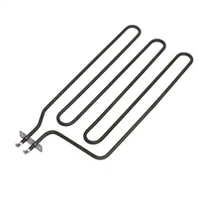
Tubular Heating Elements:
Commonly used in many domestic washing machines.
These elements are often made of stainless steel or aluminum and are designed in a tubular shape to fit inside the drum or tank.
Known for their durability and efficient heat transfer.
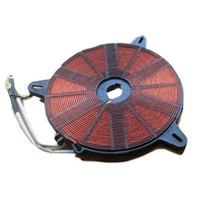
Coil Heaters:
Typically used in high-efficiency washing machines.
These heating elements use tightly wound coils to generate heat.
More compact than tubular heaters and offer fast heating times, making them ideal for modern washing machine designs that require space-saving components.
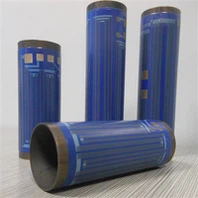
Ceramic Heating Elements:
A newer innovation in washing machine heaters, ceramic elements are more energy-efficient and offer precise temperature control.
They are typically used in advanced, high-performance washing machines that prioritize low energy consumption and faster heating times.
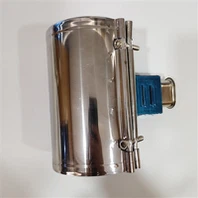
Immersion Heaters:
Found in older or industrial washing machines, immersion heaters work by being directly immersed in water.
They are effective for rapid water heating, but their energy efficiency can sometimes be lower compared to newer technologies.
Advantages of Modern Washing Machine Heaters
With the advancements in technology, washing machine heaters have become more efficient and versatile. Here are the key advantages of modern washing machine heaters:
1. Energy Efficiency
The latest generation of washing machine heaters is designed to heat water with minimal energy consumption. By using advanced materials and precise heating technologies, these heaters are able to deliver the required temperature quickly and efficiently.
2. Improved Durability
Modern washing machine heaters are built to last longer, reducing the frequency of replacements and repairs. Manufacturers use high-quality materials like stainless steel, ceramic coatings, and corrosion-resistant alloys to increase the lifespan of the heater.
3. Faster Heating Time
A major upgrade in today's washing machines is the faster water heating time. Advanced heater designs ensure that water reaches the desired temperature in a fraction of the time compared to older models, reducing overall wash cycle time.
4. Temperature Consistency
Heating elements are designed to maintain a consistent temperature throughout the wash cycle, ensuring that clothes are cleaned thoroughly and efficiently.
5. Compact and Versatile Designs
New heater designs are more compact and adaptable, fitting into a variety of washing machine models, even space-saving ones. The innovation in design allows for flexibility in machine construction and placement.

Industry Trends and Innovations in Washing Machine Heaters
As the demand for energy-efficient and smart appliances rises, manufacturers are continuously innovating washing machine heaters to meet these needs.
Integration with Smart Technology:
Many modern washing machines are now equipped with smart capabilities that allow users to control and monitor the washing process remotely. Some washing machine heaters are integrated with IoT (Internet of Things) technology to enable temperature monitoring and energy-saving alerts.
Eco-Friendly Materials:
As part of the industry's shift toward sustainability, manufacturers are using eco-friendly materials in the construction of washing machine heaters. These materials are more durable, recyclable, and safer for the environment.
Variable Temperature Control:
Some of the latest washing machines feature variable temperature control, allowing users to select the exact temperature for specific wash cycles, such as cold, warm, or hot. This offers greater flexibility and improved energy efficiency.
Self-Cleaning Heaters:
Newer technologies also include self-cleaning or anti-scale heating elements, reducing the build-up of limescale and other deposits, which can impair the heater's performance and longevity.
Conclusion
Washing machine heaters, though often overlooked, are essential components that ensure a washing machine's optimal performance. With advancements in technology, these heaters have become more efficient, durable, and environmentally friendly. Whether you are considering a new washing machine or evaluating the efficiency of your current model, understanding the importance and innovation behind the heater can help you make an informed decision.
As the demand for energy-efficient appliances continues to rise, washing machine heater technologies will likely evolve even further, offering even more features that improve performance, reduce energy consumption, and enhance the overall user experience.
If you're looking to upgrade your washing machine heater or seeking solutions for custom applications, our expertise in heating elements for various industries can help you find the ideal solution. Feel free to reach out for more information or customized recommendations.