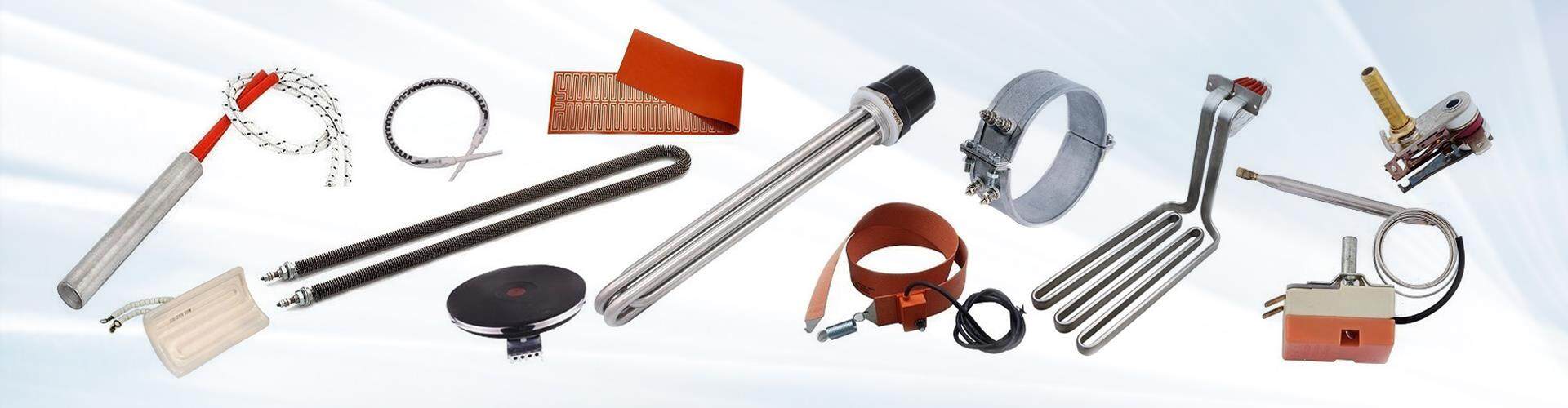
Deep-frying is a widely used cooking technique, both in households and commercial kitchens, thanks to its ability to produce crispy, flavorful food quickly. A crucial component behind the efficiency of deep-frying is the oil fryer heating element, which plays a key role in heating the cooking oil to the desired temperature. But how does it work, and what makes it efficient? Let's explore the science behind oil fryer heating elements.
1. What is an Oil Fryer Heating Element?
An oil fryer heating element is a specialized electric heating component designed to rapidly heat cooking oil to precise temperatures, typically ranging from 150°C to 190°C (300°F to 375°F). It ensures uniform heat distribution and quick recovery times, allowing for consistent frying results.
2. How Does It Work?
The heating element operates on the principle of electrical resistance heating. When an electrical current flows through the metal heating element (usually made of stainless steel or nickel-chromium alloy), it encounters resistance, generating heat. This heat is then transferred to the surrounding cooking oil, raising its temperature efficiently.
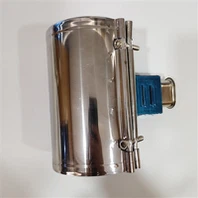
Many modern fryers use immersion heating elements, which are directly submerged in the oil. This design maximizes heat transfer, reducing heat loss and improving energy efficiency.
3. Key Features of Oil Fryer Heating Elements
Rapid Heating & Recovery Time – Ensures the oil quickly reaches the desired temperature and maintains it during frying.
Uniform Heat Distribution – Prevents temperature fluctuations that can result in uneven frying or burnt food.
Temperature Control Mechanisms – Often integrated with thermostats or PTC (Positive Temperature Coefficient) heating elements, allowing precise temperature adjustments.
Durability & Corrosion Resistance – Made from high-quality materials to withstand prolonged exposure to hot oil and food particles.

4. Types of Oil Fryer Heating Elements
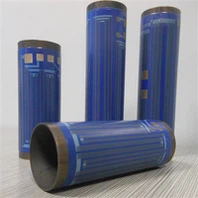
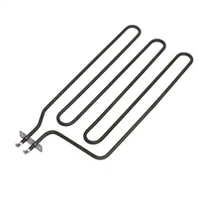
Tubular Heating Elements – Common in commercial fryers; made of stainless steel with high thermal conductivity.
PTC Heating Elements – Self-regulating elements that maintain a stable temperature without overheating.
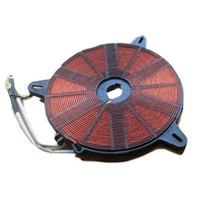
Coil Heating Elements – Often used in small household fryers, providing efficient heat distribution.
5. Why is Efficient Heating Important?
The efficiency of an oil fryer heating element affects:
Energy Consumption – Higher efficiency means less electricity wasted in heating the oil.
Food Quality – Consistent temperatures result in evenly fried, crispy food without excessive oil absorption.
Oil Lifespan – Stable heating reduces oil degradation, saving costs on frequent oil replacements.
6. Innovations in Oil Fryer Heating Elements
Modern fryer heating elements incorporate smart temperature control, infrared heating, and advanced coatings to enhance performance and longevity. Some high-end fryers even feature AI-based temperature regulation, ensuring optimal frying conditions with minimal energy waste.
Conclusion
The oil fryer heating element is the heart of any deep-frying system, ensuring efficient and consistent heating. Whether in home kitchens or large-scale commercial settings, advanced heating technologies continue to improve frying efficiency, making cooking safer, faster, and more energy-efficient.
Would you like a more technical explanation or specific product recommendations? 😊