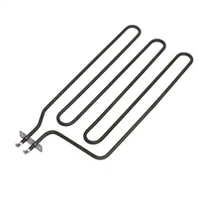
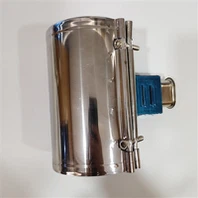
Industrial processes often evolve, demanding upgrades to existing equipment. Among the essential upgrades, enhancing heating capabilities is a common requirement. Strip heaters, with their simplicity and efficiency, are a popular choice. However, retrofitting these heaters into existing equipment requires careful consideration and planning. In this comprehensive guide, we explore the factors involved in this process.
1. assessing space and mounting
Before diving into retrofitting, examine the internal space of the equipment. Ensure that there is enough room to accommodate the strip heaters without causing obstructions. Additionally, check for suitable mounting points or evaluate if new brackets need to be installed.
2. power supply compatibility
Verify the compatibility of the existing power supply with the strip heaters. This includes checking voltage, current, and phase requirements. Upgrading the power supply may be necessary to support the additional load of the heaters.
3. temperature control mechanisms
Consider how temperature control will be managed. Some strip heaters require external temperature controllers. Evaluate whether existing control systems can be integrated or if new controllers need to be installed. This step is crucial for precise temperature regulation.
4. wiring and electrical connections
Thoroughly inspect the existing wiring and electrical connections. Determine if modifications or extensions are necessary to accommodate the strip heaters. Safety is paramount; ensure all connections adhere to electrical standards and regulations.
5. thermal considerations and insulation
Evaluate the thermal insulation within the equipment. Proper insulation is vital for optimizing the efficiency of strip heaters. Assess heat distribution to guarantee uniform heating throughout the equipment. Inadequate insulation can lead to energy wastage and inefficient heating.
6. safety and regulations
Adhere to safety standards and regulations during the retrofitting process. Implement safety features such as temperature sensors and thermal cutoffs to prevent overheating and potential hazards. Compliance with industrial safety standards is essential for a secure operation.
7. customization for unique configurations
Some equipment may have unique shapes or configurations, requiring customized strip heaters. Collaborate with manufacturers who can design heaters tailored to fit specific dimensions and requirements. Customization ensures a seamless integration process.
8. professional consulation
In cases of complexity or uncertainty, seek assistance from engineers or technicians experienced in industrial heating systems. Their expertise can provide valuable insights and solutions tailored to your equipment’s specific needs. Professional consultation minimizes risks and ensures a successful retrofitting endeavor.
conclusion
Retrofitting strip heaters into existing equipment is a task that demands meticulous planning, expertise, and attention to detail. By assessing space, power supply, temperature control, wiring, insulation, safety measures, and considering customization, industries can successfully enhance their heating capabilities. Remember, professional consultation is invaluable, ensuring that the retrofitting process is smooth, efficient, and compliant with safety regulations. With the right approach, integrating strip heaters into existing equipment can significantly improve industrial processes, leading to increased efficiency and productivity.