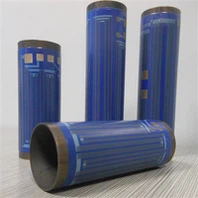
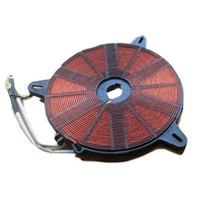
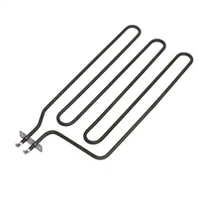
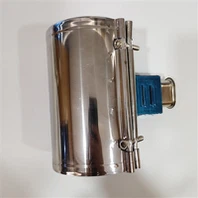
Positive Temperature Coefficient (PTC) heaters have emerged as a cornerstone of modern heating technology, celebrated for their self-regulating capabilities, energy efficiency, and robust performance across residential, automotive, and industrial sectors.
Unlike traditional heating elements that require external temperature controls to prevent overheating, PTC heaters leverage the intrinsic properties of specialized ceramic materials to achieve automatic temperature regulation-making them safer, more reliable, and cost-effective for a wide range of applications.
This article delves into the science behind PTC heaters, exploring their material composition, structural design, operational mechanics, key advantages, and real-world use cases, providing a detailed resource for engineers, procurement professionals, and technology enthusiasts alike.

1. The Science Behind PTC Materials: Key Properties and Composition
At the heart of every PTC heater lies a specialized thermistor material with a positive temperature coefficient-meaning its electrical resistance increases dramatically as temperature rises. This unique property is the foundation of the heater's self-regulating functionality, eliminating the need for separate thermostats or control circuits.
1.1 Core Material Composition
PTC materials are typically based on barium titanate (BaTiO₃), a ceramic compound with inherent semiconductor properties. To fine-tune its thermal and electrical characteristics, manufacturers introduce trace amounts of doping elements such as strontium (Sr), lead (Pb), or niobium (Nb) during the production process. These dopants modify the crystal structure of the barium titanate, allowing precise adjustment of the material's "Curie temperature" (or switching temperature)-the threshold at which resistance begins to spike.
For example, PTC materials designed for low-temperature applications (such as hand warmers or small appliances) may have a Curie temperature of 40–60°C, while those intended for industrial heating or automotive battery systems can be calibrated to trigger at 100–200°C. This flexibility makes PTC materials adaptable to nearly any heating requirement, from gentle warmth to high-temperature process heating.
1.2 Resistance-Temperature Relationship
The defining feature of PTC materials is their non-linear resistance-temperature curve:
Low-Temperature Range (Below Curie Point): At temperatures well below the Curie temperature, the material's crystal structure promotes free electron flow, resulting in low electrical resistance (typically a few ohms to tens of ohms). This allows a high current to pass through, generating heat via the Joule effect (the conversion of electrical energy to thermal energy through resistance).
Curie Temperature Threshold: As the material heats up and approaches its Curie temperature, the crystal structure undergoes a phase transition, disrupting electron flow and causing resistance to increase exponentially-often by several orders of magnitude (e.g., from 10Ω to 10,000Ω or higher) within a narrow temperature range (5–10°C).
High-Temperature Range (Above Curie Point): Beyond the Curie temperature, resistance stabilizes at a high value, limiting current to a minimal level. This restricts heat generation, preventing the material from overheating and maintaining a stable operating temperature.
This self-regulating cycle ensures that PTC heaters operate within a safe temperature range without external intervention, making them inherently more reliable than traditional heating elements (such as nichrome wires) that require active temperature monitoring.
2. Structural Design of PTC Heaters: Components and Functionality
PTC heaters are engineered as modular assemblies, with each component playing a critical role in heat generation, conductivity, insulation, and protection. While designs vary by application, most PTC heaters share the following core components:
2.1 PTC Heating Element
The PTC heating element is the functional core of the heater, typically fabricated as a thin ceramic disc, square plate, or custom-molded block. These elements are often arranged in arrays to increase heating surface area and ensure uniform heat distribution. The size and shape of the PTC element are tailored to the application: for example, small, thin discs are used in hair dryers or laptop cooling systems, while larger, thicker blocks are employed in industrial ovens or automotive battery heaters.
2.2 Electrodes
To facilitate electrical conduction, PTC elements are coated or bonded with high-conductivity electrodes, usually made from aluminum, copper, or silver. Electrodes are applied as thin foils, sputtered layers, or screen-printed films to ensure intimate contact with the PTC material. The design of the electrodes is critical: they must distribute current evenly across the entire surface of the PTC element to avoid hot spots and maximize heating efficiency. In some high-power designs, electrodes are patterned in a grid or serpentine layout to optimize current flow.
2.3 Insulation Layer
An insulation layer is sandwiched between the PTC element and the outer casing to prevent electrical leakage and short circuits. Common insulation materials include mica, ceramic fiber, or high-temperature-resistant plastics (such as PPS or PEI). These materials offer excellent electrical insulation while maintaining thermal conductivity, allowing heat to transfer efficiently from the PTC element to the target surface without compromising safety. The insulation layer also protects the PTC element from moisture, dust, and mechanical damage.
2.4 Casing/Enclosure
The outer casing serves as a protective shell and heat dissipator, typically constructed from aluminum, stainless steel, or heat-resistant plastic. Aluminum casings are particularly popular due to their lightweight, excellent thermal conductivity, and corrosion resistance-making them ideal for applications where heat needs to be distributed quickly (such as automotive seat heaters or room heaters). The casing may feature fins or ridges to increase surface area and enhance heat dissipation, or it may be designed as a flat plate for direct contact heating (e.g., in medical devices or laboratory equipment).
2.5 Optional Accessories
Many PTC heaters include additional components to enhance functionality:
Thermal Interface Materials (TIMs): Greases or adhesive pads applied between the PTC element and casing to improve heat transfer and reduce thermal resistance.
Lead Wires/Cable Assemblies: High-temperature-resistant wires (often silicone or teflon-insulated) for electrical connection, with terminals customized to match the application's power supply.
Overheat Protection Fuses: Backup safety devices for extreme conditions, though rarely necessary due to the PTC material's inherent self-regulation.
3. How PTC Heaters Work: The Four-Stage Operational Cycle
The operation of a PTC heater is a dynamic, self-sustaining cycle driven by the material's resistance-temperature properties. Below is a detailed breakdown of the four key stages:
3.1 Stage 1: Initial Heating (Cold Start)
When the PTC heater is connected to a power source, the initial temperature of the PTC material is low (ambient temperature or below). At this stage, the material's resistance is minimal, allowing a large current to flow through the electrodes and PTC element. According to the Joule heating law (P = I²R, where P is power, I is current, and R is resistance), the high current generates significant thermal energy, causing the heater to rapidly warm up. This phase is characterized by fast heat-up rates-often reaching 80% of the target temperature within seconds to minutes, depending on the heater's power rating and application.
3.2 Stage 2: Temperature Rise and Resistance Increase
As the PTC element heats up, its temperature approaches the Curie point. During this phase, the material's crystal structure begins to shift, increasing electrical resistance. As resistance rises, the current flowing through the element decreases (per Ohm's Law, I = V/R, where V is voltage), which in turn reduces the heating power. This creates a feedback loop: temperature increase → resistance increase → current decrease → power reduction. This self-regulating mechanism prevents the heater from heating too quickly or exceeding safe temperature limits.
3.3 Stage 3: Stable Operation
Once the PTC element's temperature reaches the Curie point, resistance spikes exponentially, limiting current to a very low level. At this stage, the heating power is just sufficient to offset heat loss to the environment, maintaining a constant temperature. The stable operating temperature is determined by the PTC material's Curie temperature and the thermal load of the application (e.g., the size of the space being heated or the heat capacity of the target object). For example, a PTC heater in a small room may stabilize at 50°C, while one in an industrial oven could maintain 150°C-all without external controls.
3.4 Stage 4: Temperature Recovery (Environmental Cooling)
If the external environment cools down (e.g., a door is opened, or the target object absorbs more heat), the PTC element's temperature drops below the Curie point. This causes the material's resistance to decrease, allowing current to increase and heating power to rise. The heater then resumes generating more heat, returning to the stable operating temperature. This cycle repeats continuously, ensuring consistent heating regardless of environmental fluctuations.
This closed-loop operation is what makes PTC heaters so efficient: they only consume energy when needed, reducing waste and lowering operating costs compared to traditional heaters that run at full power until manually turned off.
4. Key Advantages of PTC Heaters: Why They Outperform Traditional Heating Solutions
PTC heaters offer a range of benefits that make them the preferred choice for many applications, outperforming conventional heating elements (such as nichrome wires, ceramic heaters, or heating coils) in safety, efficiency, and versatility.
4.1 Intrinsic Self-Regulation and Safety
The most significant advantage of PTC heaters is their inherent safety. Unlike traditional heaters that can overheat and cause fires if left unattended, PTC heaters automatically limit their temperature once the Curie point is reached. This eliminates the risk of thermal runaway, making them ideal for applications where safety is paramount-such as household appliances, medical devices, and automotive systems. Additionally, the absence of external control circuits reduces the risk of electrical failures (e.g., thermostat malfunctions) that can lead to overheating.
4.2 Energy Efficiency
PTC heaters are highly energy-efficient due to their on-demand heating cycle. They consume maximum power only during the initial heating phase; once stable, power consumption drops significantly to maintain temperature. This contrasts with traditional heaters that operate at constant power, wasting energy by generating more heat than needed. Studies have shown that PTC heaters can reduce energy consumption by 20–40% compared to conventional heating solutions in similar applications, making them a sustainable choice for both residential and industrial use.
4.3 Long Service Life
PTC materials are extremely durable and stable, with minimal degradation over time. Unlike nichrome wires that can oxidize, break, or burn out with prolonged use, PTC ceramic elements resist corrosion, thermal shock, and mechanical wear. When operated within their specified temperature range, PTC heaters typically have a service life of 10,000–50,000 hours-far longer than most traditional heating elements. This longevity reduces maintenance costs and downtime, particularly in industrial or automotive applications where replacement is costly or time-consuming.
4.4 Versatility and Customization
PTC heaters can be tailored to meet nearly any heating requirement through customization of:
Curie Temperature: Ranging from -40°C (for cold-weather applications) to 300°C+ (for high-temperature industrial processes).
Shape and Size: From micro-scale elements (for electronics) to large, modular arrays (for industrial ovens).
Power Density: Adjustable from 0.1 W/cm² (for gentle heating) to 10 W/cm² (for high-power applications).
Form Factor: Flexible, rigid, or conformal designs to fit irregular surfaces (e.g., automotive components or curved pipes).
This flexibility allows PTC heaters to be integrated into a wide range of products, from small consumer electronics to large-scale industrial systems.
4.5 Fast Heat-Up and Uniform Temperature Distribution
PTC heaters deliver rapid heat-up times due to their low initial resistance and high power density during the cold start phase. This is particularly valuable in applications where quick heating is critical-such as automotive defrost systems (which need to clear windshields in seconds) or medical devices (which require precise temperatures for diagnostic accuracy). Additionally, the array design of PTC elements ensures uniform heat distribution across the heating surface, eliminating cold spots and improving performance.
5. Practical Applications: Where PTC Heaters Excel
PTC heaters are used in virtually every industry, thanks to their safety, efficiency, and versatility. Below are some of the most common applications, organized by sector:
5.1 Consumer Electronics and Home Appliances
Small Appliances: Hair dryers, curling irons, electric shavers, and hand warmers rely on PTC heaters for fast, safe heating. For example, a hair dryer's PTC element heats air quickly while preventing overheating that could damage hair or the device.
Climate Control: Portable space heaters, humidifiers, and dehumidifiers use PTC heaters for energy-efficient room heating and moisture regulation. Their self-regulating nature ensures consistent temperatures without user intervention.
Kitchen Appliances: Electric kettles, coffee makers, and food warmers use PTC heaters to maintain precise temperatures for brewing or food preservation.
5.2 Automotive Industry
Battery Thermal Management: Electric vehicles (EVs) and hybrid vehicles use PTC heaters to warm lithium-ion batteries in cold weather, improving charging efficiency and extending driving range. PTC heaters are ideal for this application due to their fast heat-up times and low power consumption.
Interior Comfort: Seat heaters, steering wheel heaters, and cabin heaters use PTC elements to provide targeted warmth for drivers and passengers. Conformal PTC heaters can be shaped to fit seat cushions and steering wheels, delivering uniform heat.
Defrosting and Deicing: Rearview mirrors, windshields, and door handles use PTC heaters to melt ice and fog quickly, enhancing visibility and safety in cold conditions.
5.3 Industrial and Manufacturing
Process Heating: PTC heaters are used in industrial ovens, drying equipment, and curing systems for materials such as plastics, textiles, and coatings. Their precise temperature control ensures consistent product quality.
Pipe and Tank Heating: In chemical, pharmaceutical, and food processing plants, PTC heaters are wrapped around pipes and tanks to prevent fluids from freezing or solidifying. Their flexible design allows them to conform to curved surfaces, ensuring efficient heat transfer.
Semiconductor Manufacturing: PTC heaters are used in wafer processing equipment to maintain stable temperatures during etching, deposition, and testing processes. Their clean, contamination-free operation is critical for semiconductor production.
5.4 Medical and Healthcare
Diagnostic Equipment: Blood analyzers, urine test machines, and reagent warmers use PTC heaters to maintain precise temperatures (often ±0.5°C) for accurate test results. The non-toxic, stable nature of PTC materials makes them safe for medical use.
Therapeutic Devices: Physical therapy equipment, such as heating pads, muscle stimulators, and infrared therapy devices, use PTC heaters to deliver gentle, uniform heat that promotes blood circulation and relieves pain.
Laboratory Equipment: Incubators, petri dish warmers, and sample storage units rely on PTC heaters for consistent temperature control, ensuring reproducible experimental results.
5.5 Aerospace and Defense
Avionics Heating: PTC heaters are used to warm electronic components in aircraft and spacecraft, preventing cold-related failures at high altitudes or in space.
Missile and Satellite Systems: PTC heaters provide thermal management for sensitive guidance systems and payloads, ensuring performance in extreme temperature environments (from -60°C to 150°C).
6. Comparing PTC Heaters to Traditional Heating Technologies
To better understand the unique value of PTC heaters, it is helpful to compare them to other common heating solutions:
| Heating Technology | Key Advantages | Disadvantages | Best For |
|---|---|---|---|
| PTC Heaters | Self-regulating, energy-efficient, safe, long lifespan, customizable | Higher initial cost than nichrome wires, limited maximum temperature (≤300°C for standard models) | Most residential, automotive, and industrial applications requiring safe, precise heating |
| Nichrome Wire Heaters | Low cost, high maximum temperature (up to 1200°C) | No self-regulation (requires thermostats), short lifespan (prone to oxidation), uneven heating | High-temperature industrial processes (e.g., metal annealing) |
| Ceramic Heaters | Fast heat-up, compact design | No self-regulation, brittle (prone to breakage), uneven heat distribution | Small appliances (e.g., space heaters) and temporary heating |
| Infrared Heaters | Targeted heating (no air circulation), quiet operation | Slow heat-up, high energy consumption, no self-regulation | Outdoor heating and large spaces (e.g., warehouses) |
This comparison highlights that PTC heaters are the superior choice for applications where safety, energy efficiency, and reliability are top priorities-areas where traditional technologies fall short.
7. Future Trends in PTC Heater Technology
As industries continue to demand more efficient, compact, and intelligent heating solutions, PTC heater technology is evolving to meet these needs. Key trends include:
7.1 Advanced Material Development
Researchers are developing new PTC materials with expanded Curie temperature ranges (from -80°C to 400°C+) and higher power densities, enabling use in extreme environments (e.g., deep-sea equipment or high-temperature industrial processes). Nanomaterial doping and composite structures are also being explored to improve thermal conductivity and stability.
7.2 Integration with Smart Systems
PTC heaters are increasingly being integrated with IoT (Internet of Things) technology, allowing for remote temperature monitoring and control. Smart PTC heaters can adjust their Curie temperature dynamically based on environmental data, optimizing energy consumption and performance. For example, an EV's battery heater could communicate with the vehicle's navigation system to pre-warm the battery before entering cold weather.
7.3 Miniaturization and Micro-Heating
Advancements in microfabrication techniques are enabling the production of ultra-small PTC heaters (as small as 1mm × 1mm) for use in microelectronics, wearable devices, and medical implants. These micro-heaters offer precise, localized heating with minimal power consumption, opening up new applications in fields such as personalized medicine and flexible electronics.
7.4 Sustainable Manufacturing
Manufacturers are adopting more eco-friendly production processes for PTC materials, reducing the use of toxic dopants and improving recyclability. Additionally, the energy efficiency of PTC heaters aligns with global efforts to reduce carbon emissions, making them a key component of sustainable heating solutions.
8. Conclusion
As technology advances, PTC heaters will continue to evolve, expanding into new applications and delivering even greater efficiency and performance. For engineers, designers, and procurement professionals, understanding the science and capabilities of PTC heaters is essential for selecting the right heating solution for their specific needs-ensuring safety, efficiency, and long-term value.
In a world increasingly focused on sustainability and safety, PTC heaters stand out as a forward-thinking technology that balances performance with responsibility, making them a cornerstone of modern heating systems for years to come.

One-stop PTC Heater Factory in China
Jaye Heater will have professional sales staff and technical personnel to assist you!