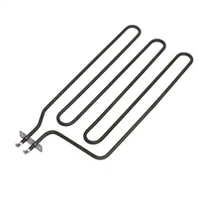
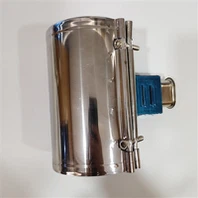
The production process of ceramic infrared heaters involves several steps to create durable and efficient heating elements capable of emitting infrared radiation. Here's an overview of the typical production process:
1. Raw Material Selection: The process begins with the selection of high-quality raw materials. Common materials used in ceramic infrared heaters include various types of ceramics, such as alumina (aluminum oxide) or silicon carbide. These materials are chosen for their ability to withstand high temperatures and their infrared radiation properties.
2. Preparation of Ceramic Mixtures: The selected raw materials are mixed together in precise proportions to form a homogeneous mixture. This mixture may also include additives or binders to enhance certain properties of the ceramic, such as strength or thermal conductivity.
3. Forming: The ceramic mixture is then formed into the desired shape for the heating element. This can be achieved through various methods such as extrusion, pressing, or molding. The formed ceramic elements may be in the shape of tubes, plates, or other configurations depending on the application requirements.
4. Drying: After forming, the ceramic elements undergo a drying process to remove excess moisture from the material. This is typically done in controlled environments to prevent cracking or warping of the ceramics during drying.
5. Firing: The dried ceramic elements are then fired in kilns at high temperatures. This firing process is essential for sintering the ceramic particles together, forming a dense and solid structure. The firing temperature and duration are carefully controlled to achieve the desired properties of the ceramic material.
6. Surface Treatment: In some cases, the surface of the ceramic heating elements may undergo additional treatments or coatings to enhance their performance or durability. For example, the surface may be glazed to improve corrosion resistance or coated with a reflective material to optimize infrared radiation emission.
7. Testing and Quality Control: Throughout the production process, rigorous testing and quality control measures are implemented to ensure that the ceramic infrared heaters meet specified performance criteria and safety standards. This may include electrical testing, thermal testing, and visual inspection of the finished products.
8. Packaging and Shipping: Once the ceramic infrared heaters have passed quality control checks, they are packaged and prepared for shipping to customers or distribution centers.
Overall, the production process of ceramic infrared heaters requires careful attention to detail and precision to create high-quality heating elements capable of providing efficient and reliable infrared radiation for various industrial and commercial applications.