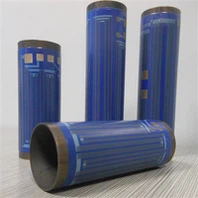
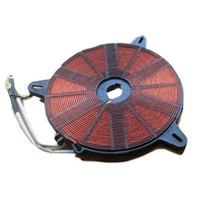
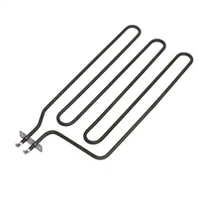
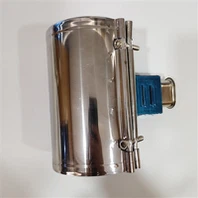
The manufacturing process of a ceramic band heater involves several steps to create a heating element that is encased in a ceramic insulating material. Ceramic band heaters are commonly used in industrial applications for heating various types of cylindrical objects, such as pipes, barrels, and containers. Here's an overview of the typical manufacturing process:
- Design and Material Selection: The first step is to design the ceramic band heater according to the specific requirements of the application. This includes determining the dimensions, power rating, voltage, and any specialized features. The materials for the heating element and the ceramic insulating material are selected based on factors like temperature requirements, chemical resistance, and durability.
- Heating Element Fabrication: The heating element is typically made from a high-resistance alloy wire, such as nichrome or kanthal. The wire is wound into a coil to achieve the desired power output and distribution. The coil is carefully wound to ensure consistent heat distribution across the entire circumference of the band heater.
- Ceramic Insulation Preparation: Ceramic insulation materials are selected for their ability to withstand high temperatures and provide electrical insulation. The ceramic insulation is usually in the form of a ceramic fiber blanket or a ceramic-based paste.
- Molding or Wrapping: The heating element coil is placed on the ceramic insulation material. In some cases, the insulation material is in the form of a flexible blanket that is wrapped around the heating element coil. Alternatively, a ceramic paste or slurry may be used to encapsulate the heating element.
- Forming and Shaping: The combination of heating element and ceramic insulation is shaped into a cylindrical form that matches the dimensions of the object to be heated. This can be done manually or using specialized tools and equipment.
- Curing and Drying: If a ceramic paste or slurry is used for insulation, the assembly is allowed to dry and cure. This helps solidify the ceramic material and ensures it adheres to the heating element.
- Encasing and Protection: In some cases, a protective metal casing might be added around the ceramic-insulated band heater. This casing provides additional mechanical protection and allows for easy installation and removal.
- Wiring and Terminal Installation: Electrical connections and terminals are attached to the ends of the heating element coil. These connections provide the means to supply power to the heater.
- Quality Control and Testing: Before the ceramic band heaters are shipped out, they undergo quality control tests to ensure they meet the specified performance criteria. This may involve electrical resistance testing, insulation resistance testing, and visual inspections.
- Packaging and Distribution: Once the heaters pass quality control, they are packaged appropriately and distributed to customers for installation and use.
It's important to note that the specific manufacturing process might vary depending on the manufacturer and the design of the ceramic band heater. Additionally, safety measures should be taken during the manufacturing process to ensure proper insulation, grounding, and compliance with safety regulations.