1. Identify the Application
Determine the specific process where the ceramic band heater will be used:
Chemical Reactors: For heating raw materials during reactions.
Storage Drums and Barrels: To maintain material fluidity.
Mixers and Blenders: To ensure even heat distribution during processing.
Pharmaceutical Equipment: For drying, sterilizing, or processing sensitive compounds.
2. Choose the Appropriate Heater
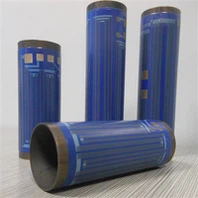
Select a ceramic band heater that matches the equipment's dimensions and operational requirements:
Diameter and Width: Measure the cylindrical surface where the heater will be installed.
Watt Density: Choose based on the heat intensity needed.
Voltage: Match the voltage rating to the power supply (e.g., 110V, 220V, 380V).
Customization: Opt for features like split designs or thermocouple integration for specialized needs.
3. Prepare the Equipment Surface
Clean the Surface: Ensure the equipment's cylindrical surface is free from dirt, grease, and contaminants.
Check for Damage: Inspect the equipment for any deformities that may affect the heater's fit.

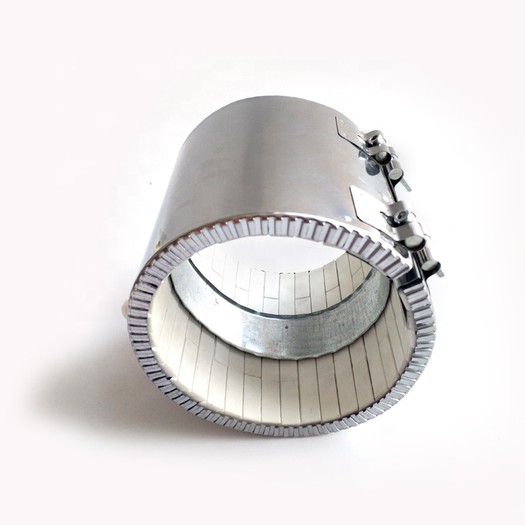
4. Install the Heater
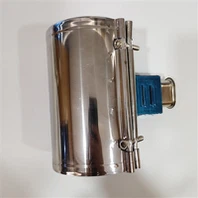
Positioning: Place the heater around the cylindrical surface. Ensure it aligns snugly with no gaps for uniform heat transfer.
Secure the Heater: Use the provided clamping mechanisms or quick-release clamps to fasten the heater firmly.
Connect the Terminals: Attach the heater's lead wires or terminals to the power supply securely.
5. Connect Temperature Control Systems
Thermocouple Integration: If equipped, connect the thermocouple to a temperature controller.
Set Desired Temperature: Program the controller to the required operational temperature for the process.
6. Power On and Monitor
Gradual Heating: Start with low power to allow the heater to stabilize, then gradually increase to the desired temperature.
Monitor Performance: Observe temperature readings to ensure consistent heating.
7. Safety Precautions
Avoid Overheating: Use temperature controllers to prevent exceeding the heater's maximum temperature (typically 650°C).
Ground the Heater: Ensure the heater is properly grounded to prevent electrical hazards.
Regular Inspections: Periodically inspect for wear, loose connections, or damage.

8. Maintenance and Troubleshooting
Clean Periodically: Remove any accumulated debris or contaminants on the heater's surface.
Inspect Connections: Check terminals and wires for secure connections.
Replace Damaged Parts: If any component shows signs of wear, replace it promptly to avoid operational disruptions.
By following these steps, Jaye Ceramic Band Heaters can enhance productivity and ensure consistent, energy-efficient heating in chemical and pharmaceutical applications. For specific customization or technical support, Jaye Heater Technology provides tailored solutions and expert guidance.