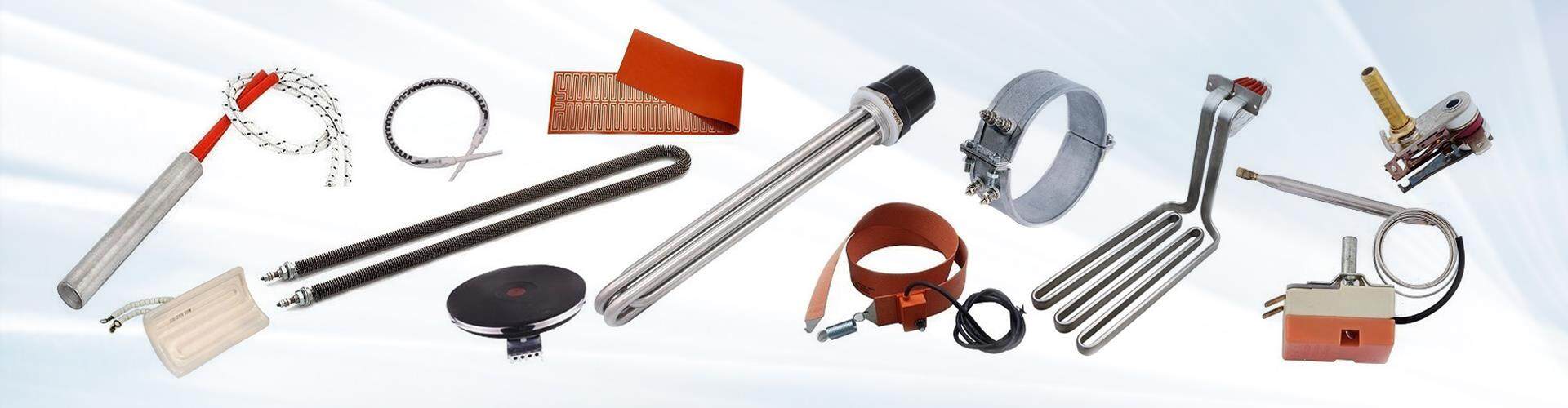
In modern HVAC engineering, achieving rapid and consistent air heating is the benchmark for indoor comfort and energy management. Among the diverse components utilized in air handling units, U-finned tubular heaters have emerged as the industry standard for electric air heating.
These specialized elements are critical components in:
Fan Coil Units (FCU) and Air Handling Units (AHU)
Air Curtains for thermal barriers
Duct Heaters for centralized ventilation
Industrial Drying Systems and ovens
Auxiliary HVAC Heating for extreme cold compensation
By combining a compact footprint with superior thermal dissipation, finned heaters are specifically engineered for forced-air environments where airflow stability and rapid temperature response are paramount.

1. Understanding the U-Finned Tubular Design
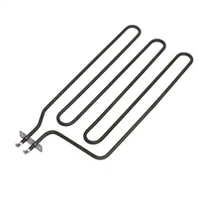
A U-finned tubular heater is a sophisticated electric element featuring a spiral-wound metal fin attached to a central heating tube.
Internal Architecture:
Resistance Wire: The core source that converts electricity into thermal energy.
Magnesium Oxide (MgO): A high-purity insulating medium that ensures efficient heat conduction while preventing electrical leakage.
Protective Sheath: A metal outer layer (Stainless Steel or Incoloy) that shields the internals from oxidation.
Spiral Fins: These metal ribbons are mechanically bonded to the sheath, exponentially increasing the surface area contact with passing air.
The "U" geometry is intentional; it maximizes the heating density within a confined space while ensuring uniform airflow coverage across the unit's cross-section.
2. Why Fan Coil Units Demand Enhanced Heat Transfer
In an FCU, the primary goal is to circulate warm air quickly and evenly. Standard smooth tubular heaters often struggle in these systems due to:
Low Surface Area: Limited contact leads to sluggish temperature rises.
Thermal Bottlenecks: The element can overheat internally if the heat isn't stripped away fast enough by the fan.
Energy Inefficiency: Higher power consumption is required to reach target temperatures.
By integrating metal fins, the heat exchange surface is increased by several hundred percent, allowing the moving air to "capture" heat much more effectively as it turbulence flows through the fin gaps.
3. Key Components and Material Selection
| Component | Function | Common Materials |
| Heating Core | Generates thermal energy | NiCr Alloy |
| Insulation | High-temp dielectric strength | Compaction-grade MgO |
| Outer Sheath | Structural protection | Stainless Steel, Carbon Steel, Incoloy |
| Spiral Fins | Heat dissipation expansion | Stainless Steel, Aluminum, Carbon Steel |
4. The Mechanics of Improved Heat Dissipation
The integration of fins fundamentally changes the thermal dynamics of an HVAC system. In a forced-convection setup:
Increased Turbulence: Fins create micro-turbulence in the airflow, preventing "dead zones" of cold air.
Lower Watt Density: Because the heat is spread over a larger surface area, the heater operates at a lower surface temperature, significantly extending the lifespan of the element.
Rapid Warm-up: The transition from startup to setpoint temperature is shortened, enhancing user comfort.
5. Material Comparison: Stainless Steel vs. Carbon Steel
Selecting the right fin material depends entirely on the operating environment:
Stainless Steel Fins: The gold standard for longevity. They offer excellent corrosion resistance, making them ideal for high-humidity areas, coastal climates, or industrial settings where chemical exposure is a risk.
Carbon Steel Fins: A cost-effective solution for standard indoor residential HVAC systems where moisture levels are strictly controlled.
6. Case Study: Commercial Lobby Retrofit
A commercial high-rise faced challenges with its lobby heating system during high-velocity fan operations. The existing smooth-tube heaters couldn't transfer heat fast enough, resulting in lukewarm air output despite high energy draw.
The system was retrofitted with custom U-finned stainless steel heaters. The results were immediate:
Outlet Temperature: Increased by 15% without increasing power wattage.
Response Time: The lobby reached the desired comfort level 30% faster.
Reliability: The higher heat dissipation rate eliminated the frequent "overheat trips" previously experienced by the safety sensors.
7. Maintenance for Longevity
To ensure peak efficiency, U-finned heaters require minimal but consistent care:
Dust Management: Periodically clean fins to prevent dust buildup, which can act as an insulator and reduce efficiency.
Airflow Integrity: Ensure fans are functioning correctly; restricted airflow is the leading cause of heater failure.
Connection Checks: Inspect electrical terminals for tightness to prevent arcing.
8. Conclusion
U-finned tubular heaters represent a vital evolution in HVAC technology. By solving the inherent limitations of smooth-surface heating, they provide a reliable, high-efficiency solution for modern air handling requirements. Whether in a compact residential fan coil or a massive industrial duct, this technology ensures that warmth is delivered precisely, safely, and economically.

One-stop U-Shape Tube Heater Factory in China
If you require heating elements, Jaye Heater-as a long-standing manufacturer of heating elements-will assist you with our team of professional technicians and sales personnel.