Introduction to Tubular Heating Technology
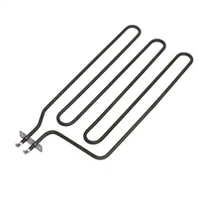
Tubular heaters represent a specialized category of electric heating elements characterized by their cylindrical design and versatile application capabilities. Unlike conventional heating solutions, these devices offer superior thermal efficiency, uniform heat distribution, and robust construction suitable for demanding environments.
The manufacturing process combines precision engineering with material science to create heating elements that can withstand continuous operation in diverse conditions, from residential water heating to industrial process applications.
Material Selection and Preparation
The foundation of tubular heater performance lies in the careful selection of raw materials. The outer sheath material is chosen based on the intended operating environment and temperature requirements. Stainless steel grades such as 304 or 316 are commonly used for general-purpose applications due to their corrosion resistance and mechanical strength. For applications requiring enhanced thermal conductivity, copper tubes are preferred, particularly in liquid heating systems where efficient heat transfer is critical. In high-temperature industrial settings, specialized alloys like Incoloy or Inconel are employed to withstand temperatures exceeding 1000°C.
The heating element core consists of nickel-chromium (NiCr) or iron-chromium-aluminum (FeCrAl) resistance wire, selected for its high resistivity and oxidation resistance at elevated temperatures. The choice between these alloys depends on the maximum operating temperature and required power density. Magnesium oxide (MgO) powder serves as the insulating medium, providing both electrical insulation and thermal conduction properties. The purity and particle size distribution of this powder are critical parameters that influence the heater's thermal performance and longevity.
Core Manufacturing Process Steps
- Tube Preparation and Element Assembly
The manufacturing process begins with the preparation of the outer tube, which is cut to specified lengths and cleaned to remove any contaminants. The resistance wire is precisely wound to achieve the desired resistance value and power rating, then inserted into the tube. This step requires careful attention to ensure the wire remains centered within the tube to prevent hot spots and ensure uniform heat distribution.
- Magnesium Oxide Filling and Compaction
The MgO powder is filled into the tube around the heating element using specialized filling equipment. This process must be controlled to achieve uniform density throughout the length of the tube. Following filling, the tube undergoes compaction through swaging or drawing processes, which reduces the tube diameter and increases the density of the MgO powder. This compaction step is crucial for maximizing thermal conductivity and preventing the formation of voids that could lead to localized overheating.
- Terminal Assembly and Sealing
After compaction, the ends of the tube are prepared for terminal attachment. Terminals are welded or brazed to the tube ends, providing electrical connections for the heating element. The terminal area is then sealed using ceramic or epoxy materials to prevent moisture ingress and ensure electrical insulation. For applications requiring additional protection, the terminals may be encapsulated in moisture-resistant housings.
- Bending and Forming
Depending on the final application, the straight tubular elements may be bent into specific shapes using specialized bending machinery. This process requires careful control of bending radius to avoid damaging the internal structure. Common configurations include U-shaped, hairpin, and spiral designs, each optimized for different heat transfer requirements.
Quality Control and Performance Testing
- Electrical Testing
Every tubular heater undergoes comprehensive electrical testing to verify performance specifications. Power testing ensures the actual power output matches the design rating within acceptable tolerances (typically ±5%). Insulation resistance testing is performed using high-voltage test equipment to confirm the integrity of the MgO insulation, with minimum resistance values typically exceeding 50 MΩ at 500V DC.
- Mechanical and Environmental Testing
Mechanical tests include dimensional verification and bend radius inspection to ensure compliance with design specifications. For applications involving liquid immersion, pressure testing may be conducted to verify the integrity of the seal. Environmental testing includes thermal cycling to assess the heater's ability to withstand repeated temperature changes without degradation.
- Performance Validation
Final performance validation involves operating the heater under simulated working conditions to measure temperature distribution, thermal response time, and power stability. These tests ensure the heater meets the thermal requirements of the intended application and operates safely throughout its service life.
Application-Specific Design Considerations
- Residential Applications
For household water heaters and space heating, tubular heaters are designed with safety features such as thermal cut-offs and corrosion-resistant coatings. Power densities are typically lower to prevent surface temperatures that could cause burns or damage surrounding materials.
- Industrial Process Heating
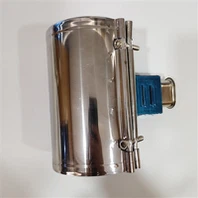
Industrial applications demand higher power densities and specialized materials to withstand aggressive chemical environments or high-temperature processes. Custom configurations, such as flanged heaters or cartridge heaters, are common in these applications. Thermal management considerations include proper heat dissipation and protection against thermal shock.
- Commercial Equipment
Commercial kitchen equipment, HVAC systems, and medical devices require heaters that combine reliability with precise temperature control. These applications often incorporate temperature sensors and control systems integrated with the heating elements.
Selection Guidelines and Common Pitfalls
- Key Selection Parameters
When selecting tubular heaters, several factors must be considered beyond basic power rating. The operating environment (dry, wet, or corrosive), temperature requirements, available space, and heat transfer medium all influence the optimal design. Material compatibility with the surrounding environment is critical to prevent premature failure.
- Common Mistakes to Avoid
Price-driven selection without considering material quality often leads to early failure. Inferior sheath materials may corrode rapidly in humid environments, while low-quality resistance wire can experience premature burnout. Oversizing or undersizing the heater for the application can result in inefficient operation or failure to meet heating requirements. Ignoring installation requirements, such as proper mounting and thermal expansion considerations, can also compromise performance and safety.
- Professional Design Approach
For complex applications, consulting with heating system designers or manufacturers is recommended. Professional design considers factors such as heat loss calculations, thermal cycling requirements, and safety margins to ensure optimal performance and longevity.
Conclusion: Ensuring Long-Term Reliability
The manufacturing of tubular heaters is a sophisticated process that balances material science, precision engineering, and rigorous quality control. The reliability of these heating elements stems from careful material selection, controlled manufacturing processes, and comprehensive testing protocols. Understanding the manufacturing process helps users make informed decisions when selecting heaters for specific applications.
Long-term performance depends not only on the quality of the heater itself but also on proper installation, operation within specified parameters, and regular maintenance. By considering the complete system requirements and working with reputable manufacturers, users can achieve efficient, reliable heating solutions that meet their specific needs while ensuring safety and longevity.

One-stop Tubular Heaters Factory in China
f you require heating elements, Jaye Heater-as a long-standing manufacturer of heating elements-will assist you with our team of professional technicians and sales personnel.