Using silicone heating pads to enhance refrigeration compressor performance involves a few key steps to ensure proper installation and operation. Here's how to effectively use them:
Identify Critical Areas:
Place the heating pads on components like the compressor, refrigerant lines, and valves that are prone to freezing or reduced performance in cold conditions. These areas are crucial for maintaining proper refrigerant flow and compressor efficiency.
Proper Installation:
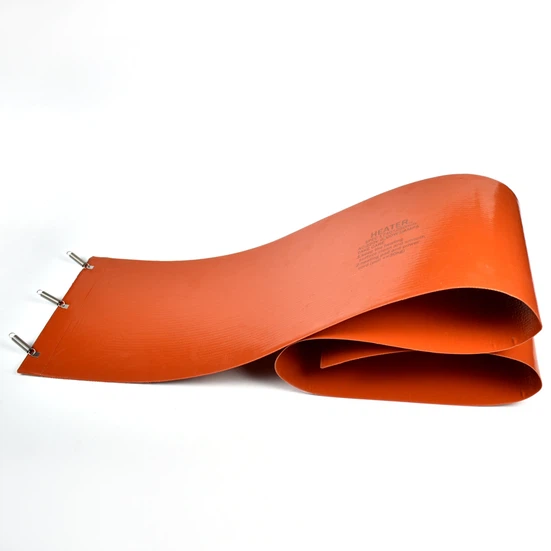
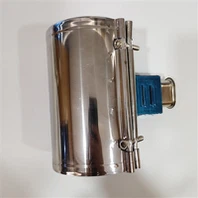
Compressor: Wrap the silicone heating pad securely around the compressor to keep it warm and prevent cold starts.
Pipes and Valves: Use flexible silicone pads to cover refrigerant pipes and valves that are exposed to cold. These pads can conform to irregular surfaces, ensuring uniform heat distribution.
Secure Attachment: Use the pad's adhesive backing or mounting clips to ensure a tight fit, preventing it from shifting during operation.
Connect to Power and Control:
Power Source: Make sure the heating pads are connected to a suitable power source that matches their voltage and wattage.
Thermostat/Controller: Integrate the pads with a thermostat to regulate the temperature. Set the thermostat to activate the pads only when the temperature drops below a certain threshold (e.g., 4-10°C or 40-50°F). This ensures energy-efficient operation.
Pre-start Heating:
In cold weather, allow the heating pads to warm the compressor for a few minutes before starting the refrigeration system. This preheating reduces mechanical stress, ensuring smoother operation and preventing cold-start damage.
Monitor and Adjust:
Periodically check the pads to ensure they are functioning correctly and distributing heat evenly. Adjust the temperature settings if needed to maintain efficiency without overheating the system.