How to use Plastic Processing Equipment in mica heater
- Nov 07, 2024-
1. Selecting the Right Mica Heater
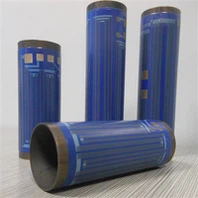
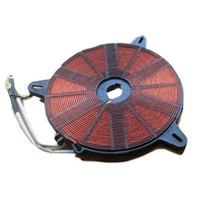
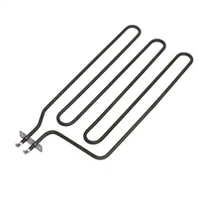
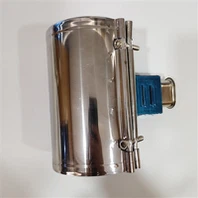
- Determine the Heater Type and Size: Mica heaters come in different shapes and sizes, including band heaters, strip heaters, and plate heaters. For plastic processing, mica band heaters are commonly used to wrap around barrels and extruder nozzles.
- Consider the Temperature Requirements: Determine the optimal temperature range for the plastic you're processing, as mica heaters can typically withstand temperatures up to around 350°C (662°F).
- Assess Watt Density Needs: Higher watt densities allow faster heating but require good thermal management. Choose a watt density based on the processing speed and temperature consistency needed.
2. Mounting the Mica Heater
- Ensure Proper Contact: The mica heater should fit tightly around the barrel or nozzle to ensure efficient heat transfer. Poor contact can cause hot spots and reduce heater life.
- Use Insulating Sleeves: Placing an insulation layer around the mica heater can reduce heat loss, improving energy efficiency and maintaining consistent temperature control.
- Secure with Clamps or Brackets: Many mica heaters come with built-in clamps. Ensure they're securely tightened, but avoid overtightening, as this can damage the heater.
3. Connecting the Heater to Power
- Match Voltage Requirements: Ensure the mica heater's voltage rating matches the power source. Most mica heaters for plastic processing are designed for either 110V or 220V systems.
- Proper Electrical Connections: Use proper connectors to prevent loose wiring, which can cause uneven heating or short circuits.
- Safety Precautions: Use a ground wire if specified by the heater manufacturer and avoid direct contact with electrical components during operation.

4. Temperature Control
- Install a Thermocouple: Attach a thermocouple close to the mica heater or on the surface of the barrel to monitor and regulate the temperature accurately.
- Use a Temperature Controller: Connect the thermocouple to a temperature control unit, which allows setting specific temperatures for various plastic materials. Consistent temperature control is critical for preventing overheating and ensuring high-quality plastic processing.
5. Operational Checks and Maintenance
- Inspect Regularly for Wear and Tear: Mica heaters, especially in high-heat applications, may experience wear over time. Inspect for cracks or insulation damage.
- Monitor Temperature Consistency: Over time, check that the heater is maintaining the required temperature. Any fluctuations could indicate worn heating elements or poor contact.
- Clean Regularly: Dust or plastic residue may accumulate around the heater, reducing its efficiency. Make sure the equipment is cool before cleaning to avoid burns or damage.
6. Energy Efficiency Optimization
- Insulate the Barrel: Consider additional barrel insulation to reduce heat loss, thus lowering the energy demand of the mica heater.
- Optimize Heater Usage: Turn off heaters during extended breaks or downtime to reduce wear and energy consumption.

Related Industry Knowledge