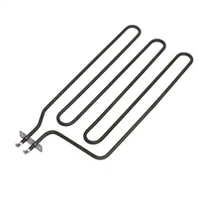
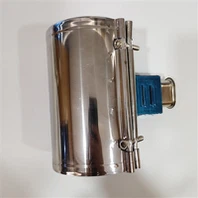
1. Driveway and Walkway Snow Melting Systems
Radiant heating elements can be embedded beneath surfaces such as driveways, sidewalks, and pathways to keep them free from snow and ice.
a. Installation in Pavement or Concrete
How to Use:
Install Jaye Radiant Heating Elements within the concrete, asphalt, or paving stones during construction or renovation.
Place the heating elements in a serpentine or grid pattern to cover the desired area uniformly.
Connect the heating system to a thermostat or moisture and temperature sensors that activate the system when snow or ice begins to form.
Benefits:
Ensures safe and clear surfaces during winter.
Reduces the need for manual snow removal or salt spreading.
Provides automated operation for convenience and energy efficiency.
b. Modular Snow Melting Mats
How to Use:
Place radiant heating elements inside portable mats that can be laid on top of driveways or walkways.
These mats can be powered via standard electrical outlets and easily removed or stored when not in use.
Benefits:
Provides a temporary or portable snow-melting solution.
Suitable for areas where permanent installations are impractical.
2. Roof and Gutter De-icing Systems
Radiant heating elements can be installed on rooftops and in gutters to prevent ice dams and icicle formation, which can damage property and pose safety risks.
a. Heating Cables for Roofs
How to Use:
Secure Jaye Radiant Heating Elements along the eaves, ridges, or valleys of the roof.
Connect the elements to a power source with a thermostat or weather sensor for automated operation during freezing conditions.
Benefits:
Prevents ice buildup that can cause roof damage or leaks.
Maintains proper drainage by keeping water flowing through gutters and downspouts.
b. Gutter and Downspout De-icing
How to Use:
Install radiant heating elements along the length of gutters and inside downspouts.
Activate the system during freezing temperatures to melt snow and ice, ensuring proper water flow.
Benefits:
Prevents clogging and overflow due to frozen gutters.
Reduces maintenance and potential damage to gutter systems.
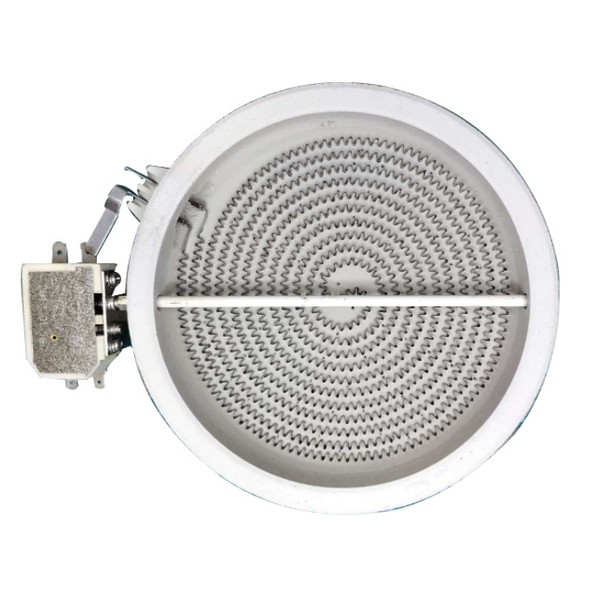
3. Outdoor Stairs and Ramps
Radiant heating elements can be used to de-ice stairs and ramps, improving safety by eliminating slippery surfaces.
a. Embedded Heating Systems
How to Use:
Install radiant heating elements under concrete or tiled stairs and ramps during construction.
Ensure the system is connected to sensors that automatically turn on the heaters when snow or ice is detected.
Benefits:
Provides consistent heat coverage to prevent ice accumulation.
Enhances safety for pedestrians, especially in commercial and public spaces.
b. Portable Heating Mats
How to Use:
Lay portable mats with radiant heating elements over stairs or ramps.
Plug the mats into a power source and activate them during snow or ice conditions.
Benefits:
Offers a quick and easy snow-melting solution for temporary use.
Ideal for retrofitting existing structures.
4. Vehicle De-icing Systems
Radiant heating elements can be used to prevent ice buildup on vehicles, making them particularly useful for fleet management or public transportation systems.
a. Parking Lot or Garage Heating
How to Use:
Install radiant heating elements in parking lot surfaces or garage floors to keep the area ice-free.
Use automated controls to turn on the system based on temperature and moisture levels.
Benefits:
Protects vehicles from slipping or skidding on icy surfaces.
Ensures easier access and safer driving conditions.
b. Windshield and Mirror De-icers
How to Use:
Embed radiant heating elements within windshield covers or mirrors to quickly melt ice and snow.
Power the system using the vehicle's electrical system or an external power source.
Benefits:
Reduces the time and effort required to scrape ice from vehicle surfaces.
Improves visibility and safety for drivers.

5. Agricultural and Industrial Applications
In agricultural or industrial settings, Jaye Radiant Heating Elements can help keep critical equipment and pathways free from ice.
a. Greenhouse Pathways
How to Use:
Install radiant heating elements in greenhouse floors or pathways to prevent ice buildup in winter.
Use temperature sensors to activate the system when freezing conditions occur.
Benefits:
Ensures safe access for workers and equipment.
Protects plants and sensitive equipment from freezing.
b. Industrial Facility Entrances
How to Use:
Embed radiant heating elements in entrance ramps, loading docks, or service areas to prevent ice formation.
Connect the system to automated controls for seamless operation.
Benefits:
Enhances worker safety and operational efficiency during winter conditions.
Conclusion
Jaye Radiant Heating Elements offer versatile, efficient, and reliable solutions for de-icing and snow melting applications. Whether embedded in permanent installations or used in portable systems, these heating elements help maintain safety, convenience, and functionality during harsh winter conditions. With their robust design and energy-efficient performance, they are a cost-effective choice for residential, commercial, and industrial settings.