1. Identify the Application
Determine the specific medical device or component that requires heating. Common applications include:
Blood analyzers: To maintain a stable temperature for testing samples.
Incubators: For maintaining constant temperatures for growing cultures.
Patient warming systems: To prevent hypothermia in patients during surgery or recovery.
Fluid warmers: For warming fluids like IV fluids or dialysis solutions.
2. Choose the Right Heater Specifications
Power Rating: Select the heater's wattage to match the thermal requirements of the medical device. This ensures sufficient heat output without overloading the device.
Voltage Compatibility: Make sure the heater is compatible with the medical device's electrical system, typically 12V, 24V, or 110V/220V.
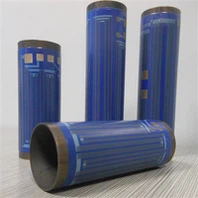
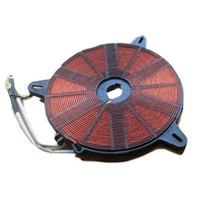
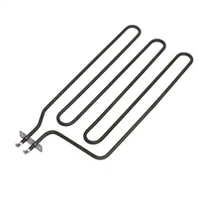
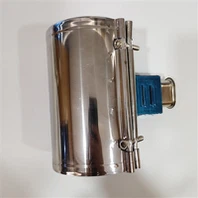
Size and Shape: Jaye PTC film and strip heaters are flexible and can be customized in various sizes and shapes. Choose a heater that fits the designated area in the medical device.
Temperature Range: Select a heater with an appropriate operating temperature range for the application (e.g., body temperature for patient warming, 37°C–40°C).
3. Placement of the Heater
Blood Analyzers: Place the heater near the sample holder or testing platform to maintain a consistent temperature.
Incubators: Install the heater around the chamber or near the temperature-sensitive components that require uniform heating.
Patient Warmers: Position the PTC heater on a blanket, mattress, or other warming pads, ensuring uniform heat distribution.
Fluid Warmers: Install the heater around the fluid line or container to warm fluids to the required temperature without overheating.
4. Install Proper Insulation
Thermal Insulation: Use appropriate thermal insulation to direct heat towards the necessary area and minimize energy loss. This is especially important in devices that require precise temperature control, like incubators and fluid warmers.
Protection: Ensure the PTC heater is not exposed to external factors that may affect its performance, such as moisture or contaminants.
5. Secure Electrical Connections
Connect the PTC heater to the device's power system using medical-grade connectors and wiring. Ensure that all components are rated for the voltage and current specifications of the heater.
Safety: Use insulated wires and connectors to prevent any risk of short circuits or electrical hazards. Ensure that the power source is properly grounded for added safety.

6. Integration with Control System
Thermostat Integration: PTC heaters are self-regulating, but in some medical devices, integration with a thermostat or temperature sensor may be required to maintain a consistent output and prevent overheating.
Automated Control: For more complex devices, integrate the heater with an automated control system that monitors and adjusts the heater's output based on temperature feedback.
7. Test the Heater and Device
After installation, run tests to ensure that the heater is operating correctly and the device maintains the desired temperature range.
Safety Test: Verify that the heater's self-regulation feature works properly, adjusting heat output as the temperature rises to prevent overheating.
8. Monitor Heater Performance
Regularly monitor the performance of the PTC heater in the medical device to ensure it continues to function properly and maintain the set temperature.
Check for any damage or degradation, especially in high-use devices like patient warmers or incubators.
9. Ensure Compliance with Medical Standards
Ensure that the installation of the PTC heater complies with relevant medical standards and regulations, such as ISO 13485, FDA regulations, or IEC 60601 for medical electrical equipment.
Testing and Certification: Make sure that the final product meets all necessary safety and quality standards for use in medical applications.
10. Perform Periodic Maintenance
Schedule regular maintenance to ensure the PTC heater remains in good working condition.
Check for wear and tear, especially in devices with frequent use or exposure to high temperatures.