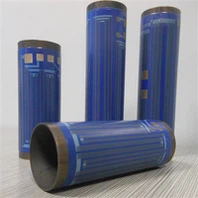
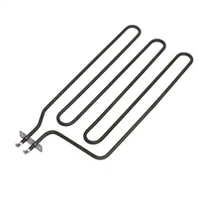
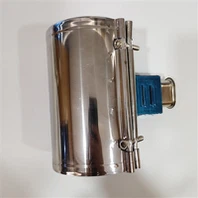
1.Identify Application Areas:
Jaye PTC film and strip heaters are versatile and can be used in various automotive applications, such as battery warming, seat heaters, steering wheel warmers, mirror defogging, and cabin heating.
Determine the specific areas needing heating and evaluate the space, heating requirements, and safety considerations for each application.
2.Choose the Right Heater Specifications:
Select the heater size, shape, and power rating that fits the specific application. For example, battery warming requires heaters with moderate power densities, while seat and steering wheel warmers may require heaters with flexible dimensions to fit contours.
Consider voltage compatibility with the vehicle's electrical system, typically 12V or 24V, to ensure safe integration.
3.Ensure Proper Adhesion and Insulation:
Jaye PTC heaters may come with pre-applied adhesives that make installation straightforward. If not, use automotive-grade adhesive to secure the heater firmly in place.
Add insulation if needed, especially in areas where heat loss can occur, such as under the seats or in uninsulated battery compartments. Proper insulation improves efficiency and ensures heat is directed where it's needed.
4.Secure Electrical Connections:
Use automotive-grade connectors to attach the heater to the vehicle's power supply, ensuring they are rated for the heater's voltage and current requirements.
Proper connections help prevent power fluctuations, ensuring the heater's stability and avoiding potential overheating or damage.

5.Integrate with Vehicle Controls:
Connect the heater to the vehicle's heating controls if applicable, enabling the driver to turn the heater on and off as needed. For battery heaters, connect to the battery management system (BMS) for automatic control based on temperature.
Ensure the heater's self-regulating feature aligns with control systems, providing additional safety by adjusting heat output as temperature rises.
6.Test and Verify Performance:
After installation, test the heater in real conditions to confirm it reaches the target temperature range and maintains stable heat output without risk of overheating.
For battery applications, monitor the effect on battery temperature and ensure it supports cold-start performance and consistent operation.
7.Inspect Periodically:
Perform routine checks to ensure the heater remains intact and connections are secure. Automotive applications can involve wear from vibration, so regular inspection is crucial.
Replace or repair any damaged components to maintain reliability and ensure continued safety.
By following these steps, Jaye PTC film and strip heaters can be effectively used in automotive applications, providing energy-efficient, reliable, and safe heating for critical areas within the vehicle. These heaters help improve cold-weather performance, enhance passenger comfort, and protect key components in the automotive environment.