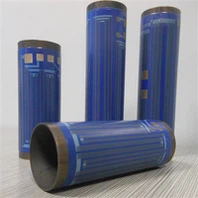
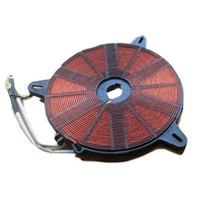
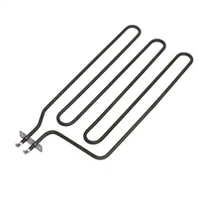
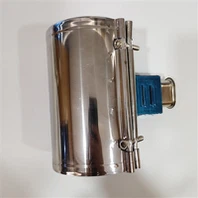
1. Understand Industrial Heating Requirements
Application Scope:
Identify the heating process, such as sintering, annealing, drying, or curing.
Temperature Range:
Determine the desired operating temperature, typically between 200°C and 1800°C, depending on the process.
Heating Uniformity:
Ensure uniform heating is critical to prevent uneven product quality.
Environment:
Assess the working environment (e.g., vacuum, high humidity, or oxidizing conditions).
2. Choose the Right Heating Tube Configuration
Size and Shape:
Select tubes that fit the dimensions and heating zones of your industrial setup.
Wattage:
Determine the wattage needed to achieve the desired temperature quickly and efficiently.
Tube Type:
Choose between single or multiple tube configurations based on heating coverage and intensity requirements.
3. Install the Heating Tubes
Mounting Position:
Position the tubes strategically to maximize heat distribution across the target area.
Support Structure:
Use high-temperature-resistant mounting brackets or fixtures to secure the tubes.
Orientation:
Follow manufacturer guidelines for optimal orientation (horizontal or vertical) based on the application.


4. Connect to Power Supply
Voltage and Current Compatibility:
Ensure the power supply matches the voltage and current specifications of the heating tubes.
Wiring:
Use heat-resistant cables to connect the heating tubes to the power supply.
Safety Features:
Include fuses or circuit breakers to protect against electrical faults.
5. Integrate Temperature Control Systems
Temperature Sensors:
Attach thermocouples or infrared temperature sensors near the heating tubes for real-time monitoring.
Controllers:
Use advanced temperature controllers to adjust and maintain the desired temperature precisely.
Automation:
Implement programmable logic controllers (PLCs) for automated temperature regulation and process control.
6. Test and Validate the Setup
Performance Testing:
Conduct test runs to verify that the heating tubes meet temperature and uniformity requirements.
Calibration:
Calibrate temperature sensors and controllers for accurate operation.
Safety Checks:
Inspect all connections and ensure compliance with safety standards.
7. Operate the Heating System
Start-Up Procedure:
Gradually increase the power to avoid thermal shock to the heating tubes.
Monitor Performance:
Continuously monitor temperature and system performance to prevent overheating or energy waste.
Adjust Settings:
Fine-tune temperature and timing settings as needed for optimal results.
8. Maintain and Inspect Regularly
Periodic Cleaning:
Remove dust or debris that may accumulate on the tubes to maintain efficiency.
Inspection:
Check for signs of wear or damage, such as cracks or discoloration.
Replacement:
Replace tubes promptly if performance declines or damage occurs.
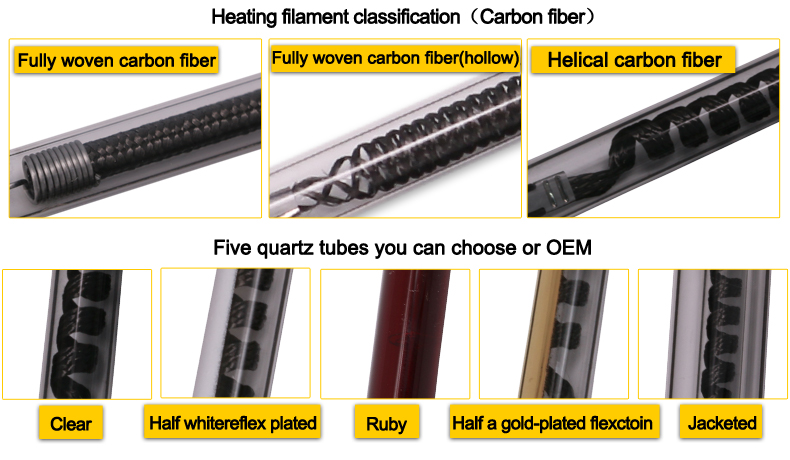
By following these guidelines, Jaye carbon fiber heating tubes can significantly enhance the performance and efficiency of industrial heating systems, supporting reliable and precise heat delivery across various applications.