How to use ceramic band heater in Food Processing
- Oct 15, 2024-
1. Installation Preparation
- Ensure Safety: Turn off all power to the equipment before starting the installation. Wait for the equipment to cool down if it was previously in use to prevent burns or injuries.
- Clean the Surface: Clean the machine's surface where the ceramic band heater will be installed. Make sure there is no residue, grease, or contaminants that could interfere with heat transfer.
- Check Compatibility: Ensure that the ceramic band heater matches the size and specifications of the equipment and is suitable for the heating requirements of the specific food processing application.
2. Mounting the Heater
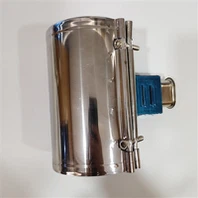
- Position the Heater: Wrap the ceramic band heater around the surface of the food processing equipment that requires heating. It should fit snugly to maximize contact for efficient heat transfer.
- Secure the Heater: Use the clamping mechanism (e.g., screws or straps) to firmly secure the heater in place. Make sure the heater is tightly fastened to prevent any gaps between the heater and the equipment, as these gaps can reduce heating efficiency.
- Avoid Over-Tightening: Tighten the clamps evenly but do not over-tighten, as this can damage the ceramic elements or the heater structure itself.
3. Electrical Connection
- Follow Electrical Safety Guidelines: Before connecting the heater, double-check that all electrical safety protocols are followed, including using the correct voltage and power ratings specified by the heater's manufacturer.
- Connect to Power Supply: Connect the ceramic band heater's electrical leads to the power source according to the manufacturer's instructions. Make sure the terminals are secure and that the wiring is properly insulated to prevent short circuits.
- Use a Temperature Controller: Integrate a temperature controller to precisely regulate the heat output of the ceramic band heater. Accurate temperature control is critical in food processing to ensure consistent product quality and prevent overheating.

4. Temperature Settings and Adjustment
- Set the Desired Temperature: Program the temperature controller to the desired setpoint based on the specific requirements of the food being processed. Different food items may require different temperatures for optimal processing.
- Monitor the Temperature: Gradually increase the heat to reach the desired temperature and carefully monitor the process to ensure that the temperature remains stable.
5. Operation and Monitoring
- Ensure Even Heating: Regularly check that the heater provides uniform heat distribution across the surface of the food processing equipment. Uneven heating can affect product quality and consistency.
- Routine Inspection: Periodically inspect the ceramic band heater and the equipment to ensure they are in good working condition. Look for signs of wear or damage, and clean the heater surface regularly to remove any food particles or residue that might affect its performance.
6. Shutdown Procedure
- Safe Shutdown: When shutting down the food processing equipment, turn off the power to the heater and allow it to cool down gradually.
- Avoid Rapid Cooling: Do not expose the heater to sudden changes in temperature, as this can cause thermal shock, potentially damaging the ceramic components.
7. Maintenance and Cleaning
- Regular Cleaning: Since food processing involves strict hygiene standards, make sure to clean the heater regularly according to the guidelines provided by the manufacturer. This helps to prevent food buildup, which could affect heat transfer efficiency and lead to contamination.
- Inspect for Damage: Regularly inspect the ceramic band heater for any signs of wear, cracks, or damage that might compromise its performance or food safety.

Related Industry Knowledge