How to use Cartridge Heater in 3D Printers
- Oct 07, 2024-
1. Purpose of Cartridge Heaters in 3D Printers
- Hot End Heating: Cartridge heaters are primarily used to heat the hot end of the 3D printer, where the filament melts before being extruded through the nozzle.
- Temperature Stability: They provide stable and consistent heat to ensure the filament remains at the correct temperature for smooth extrusion and precise layer formation.
2. Installation of Cartridge Heaters
- Hot End Assembly: Cartridge heaters are inserted into the hot end of the 3D printer, which typically consists of a heat block, nozzle, and other components. The heat block contains holes specifically designed for the cartridge heater to fit securely.
- Securing the Heater: The heater is secured tightly within the heat block to ensure efficient heat transfer. Proper installation prevents heat loss and ensures that the heater maintains the desired temperature for melting the filament.
3. Temperature Control
- Sensors and Controllers: Cartridge heaters in 3D printers are often used in conjunction with thermocouples or thermistors to monitor the hot end's temperature. The data from these sensors is fed to a temperature controller that adjusts the heater's output to maintain the optimal temperature.
- Precise Heating: This setup allows for precise temperature control, which is crucial when printing with different types of filaments that require specific temperature ranges (e.g., PLA, ABS, PETG).
4. Key Considerations for Use
- Power Rating: The power rating of the cartridge heater should be appropriate for the type of 3D printer and the materials being used. High-power heaters are used for filaments that require higher temperatures, while lower-power heaters suffice for standard filaments.
- Heat Distribution: Uniform heat distribution is important to prevent clogs or inconsistencies in filament flow. Cartridge heaters help achieve even heating of the hot end.
- Material Compatibility: The cartridge heater must be compatible with the heat block and nozzle materials to ensure efficient heat transfer without causing damage.
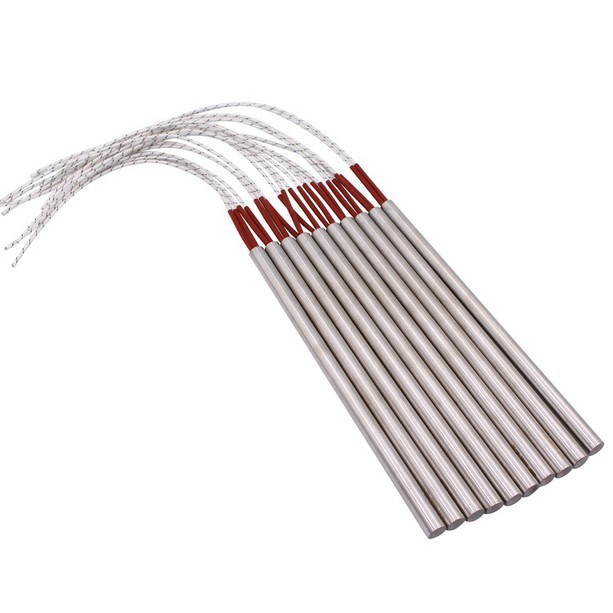
5. Advantages of Using Cartridge Heaters in 3D Printers
- Compact and Efficient: Cartridge heaters are compact, making them ideal for small spaces in the hot end assembly of 3D printers, without adding extra bulk.
- Fast Heating: They heat up quickly, reducing the time required for the 3D printer to reach the desired temperature, which improves the overall printing speed.
- Precise Temperature Control: With their precise control capabilities, cartridge heaters ensure that the filament is consistently extruded at the correct temperature, resulting in high-quality print layers.
- Versatility: Cartridge heaters can be used with various filament materials, from standard PLA and ABS to more advanced materials like nylon, polycarbonate, and flexible filaments.
6. Operational Process
- Pre-heating: Before starting the printing process, the cartridge heater heats the hot end to the appropriate temperature for the filament being used. This pre-heating phase ensures that the filament will melt properly.
- Consistent Heating During Printing: During the printing process, the cartridge heater maintains a stable temperature at the hot end, ensuring the filament flows smoothly through the nozzle to create precise layers.
- Cooling After Printing: After the print is complete, the cartridge heater gradually reduces its heat output, allowing the hot end to cool down safely to avoid damage to the printer or the filament.
7. Maintenance and Replacement
- Regular Inspection: Cartridge heaters in 3D printers should be regularly inspected for signs of wear, overheating, or malfunction. Regular maintenance ensures the heater remains efficient and extends its lifespan.
- Easy Replacement: Cartridge heaters are designed for easy replacement when they reach the end of their life cycle, minimizing downtime for the printer and keeping production schedules on track.
8. Safety Considerations
- Proper Insulation: Ensure that the cartridge heater is properly insulated to prevent accidental burns or heat loss. This also helps in maintaining consistent heating.
- Monitoring Systems: Using high-quality thermistors or thermocouples to monitor temperature helps prevent the hot end from overheating, which could damage the filament or cause safety hazards.

Related Industry Knowledge