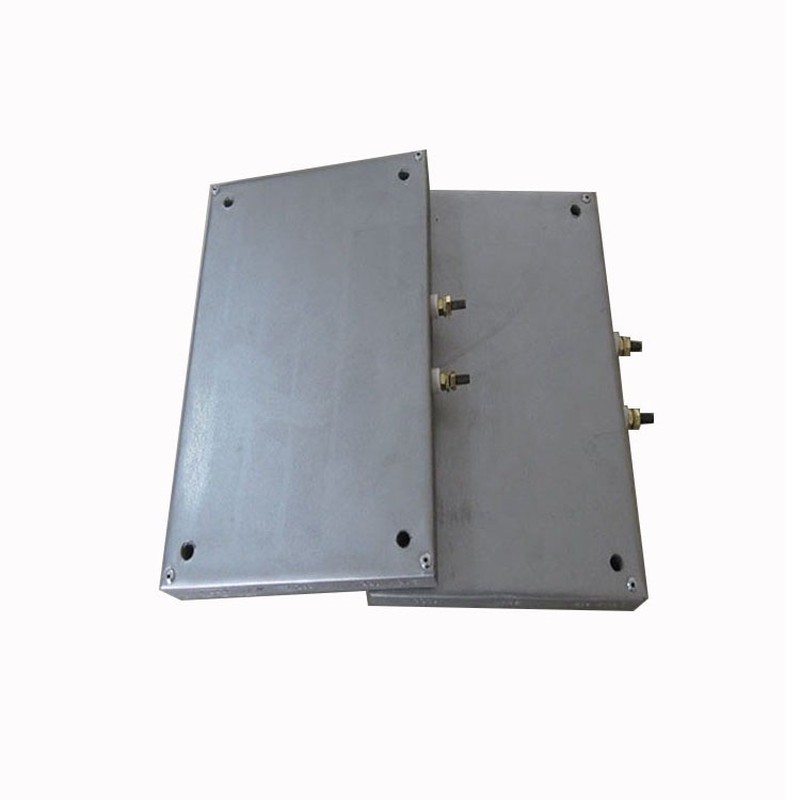
Applications of Aluminum Hot Plates
- Aluminum hot plates are versatile tools used for:
- Heating solutions in beakers, flasks, or other containers.
- Conducting chemical reactions that require controlled temperatures.
- Drying samples or substances.
- Melting solids for analytical procedures.
- Sterilization of small lab tools or containers.
Step-by-Step Usage
Preparation
Place the hot plate on a stable, heat-resistant surface away from flammable materials.
Ensure proper ventilation to avoid heat buildup or the release of harmful vapors.
Inspect the plate for cleanliness and ensure it's free of residues.
Setup
Connect the hot plate to a grounded electrical outlet to prevent electrical hazards.
If the hot plate has adjustable temperature settings, set it to the desired level for your experiment.
Use a heat-resistant vessel to contain the sample or solution.
Using the Hot Plate
Place the sample container centrally on the aluminum hot plate.
Turn on the power and gradually increase the temperature to avoid thermal shock.
If uniform heating is required, stir the solution using a magnetic stirrer if integrated with the hot plate.
Monitor the temperature using an external thermometer or built-in temperature control if available.
Safety Practices
Always wear appropriate safety gear, including heat-resistant gloves, goggles, and a lab coat.
Avoid touching the hot surface or placing flammable substances nearby.
Do not leave the hot plate unattended while in use.
Post-Use Procedures
Turn off the hot plate and allow it to cool completely before cleaning or storage.
Clean the surface with a non-abrasive cloth and suitable cleaning agent if residues are present.
Store the hot plate in a dry, safe area to prevent corrosion or damage.